
Agenda-setting intelligence, analysis and advice for the global fashion community.
Agenda-setting intelligence, analysis and advice for the global fashion community.

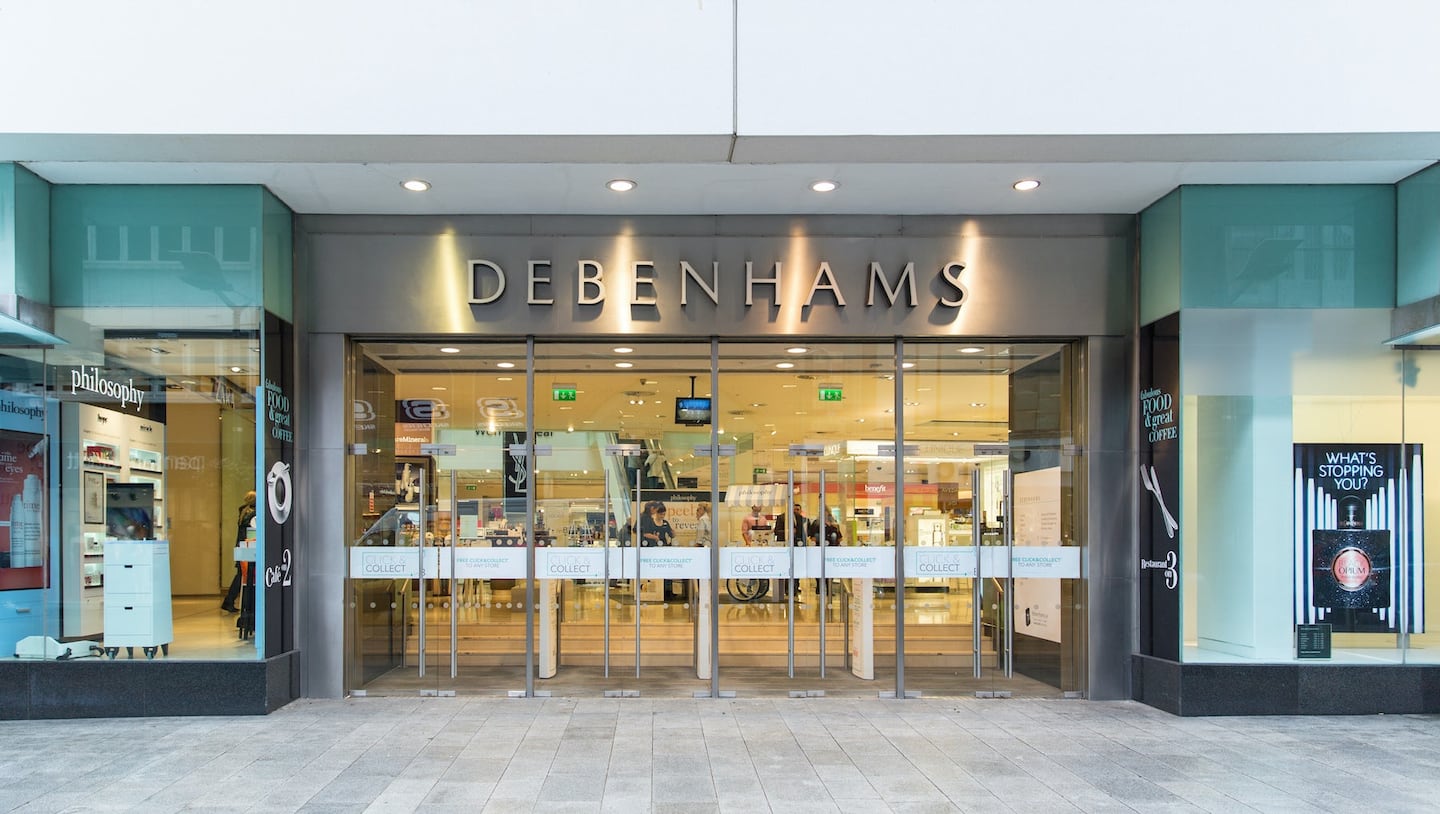
LONDON, United Kingdom — Debenhams Plc is in talks to rent out excess space in its flagship London department store to flexible-office provider WeWork Cos. as the UK's retail crisis deepens, according to people with knowledge of the matter.
The retailer is searching for companies willing to take over large chunks of space in its roughly 240 department stores, many of which are too big now that e-commerce accounts for 18 percent of the UK’s retail sales. Debenhams is also testing smaller formats and opening in-store gyms to fill unused parts of stores.
British retailers including Tesco Plc, J Sainsbury Plc and Next Plc have been striving to fill oversized stores through partnerships with other retailers, cafes or restaurants, but haven’t tapped office providers yet.
WeWork is growing rapidly. Three years after entering the British capital, it has signed leases that will make it the city’s No. 1 private-sector user of office space, according to data compiled by CoStar Group Inc.
ADVERTISEMENT
The talks with Debenhams, which involve the store on London’s Oxford Street, are at an early stage and there’s no guarantee an agreement will be reached, two of the people said, asking not to be identified as the discussions are private.
IWG Plc, which operates the Regus brand of serviced offices, is also expanding the number of stores in which it’s looking to open facilities, chief executive Mark Dixon said in an interview Tuesday.
The potential for retailers to give up excess space could be “significant” for some brands, he said. “We would expect to have quite a few locations in a year or two in more retail-type situations. They are quite convenient for people if they have good parking and good facilities.”
Debenhams’ profits are stuck in a long-term decline and its shares closed at a nine-year low earlier this month. Mike Ashley, chief executive of Sports Direct International Plc, has since increased his holding in Debenhams, spurring speculation he may buy the company outright.
By Sam Chambers, Jack Sidders; editors: Eric Pfanner, John J. Edwards III
While $1.75 billion in court-approved funding has brought labels back to the fold, the real test for vendors will come when that temporary safety net vanishes later this year.
A growing number of mass and premium brands are pushing upmarket with a more luxe look, better materials and, often, higher prices. This case study unpacks how these labels are navigating the tricky challenge of elevating a brand.
Brands from Prada to Abercrombie & Fitch will provide clarity on how the fashion industry is approaching the newly uncertain trade landscape. Plus, a preview of Paris Fashion Week.
The goods come from more than 380 brands, including Burberry and those owned by luxury powerhouses LVMH and Kering.
Christine Hunsicker admitted she falsified financial statements to promote CaaStle Inc. as a valuable, growing business when in reality it was struggling.
The American cosmetic giant’s buyout of Ayurvedic beauty line Forest Essentials came as a surprise. By picking an under-the-radar brand it knows well, the company can show that it’s still in the M&A game without needing to outbid rivals.
The underwear company is anticipating net sales of at least $6.85 billion in the current fiscal year, exceeding analyst estimates and marking the highest revenue since its split from L Brands Inc in 2021.
The Japanese brand is accelerating its expansion in India to capture a greater share of the rapidly growing apparel market and affluent consumer base.


