
Agenda-setting intelligence, analysis and advice for the global fashion community.
Agenda-setting intelligence, analysis and advice for the global fashion community.

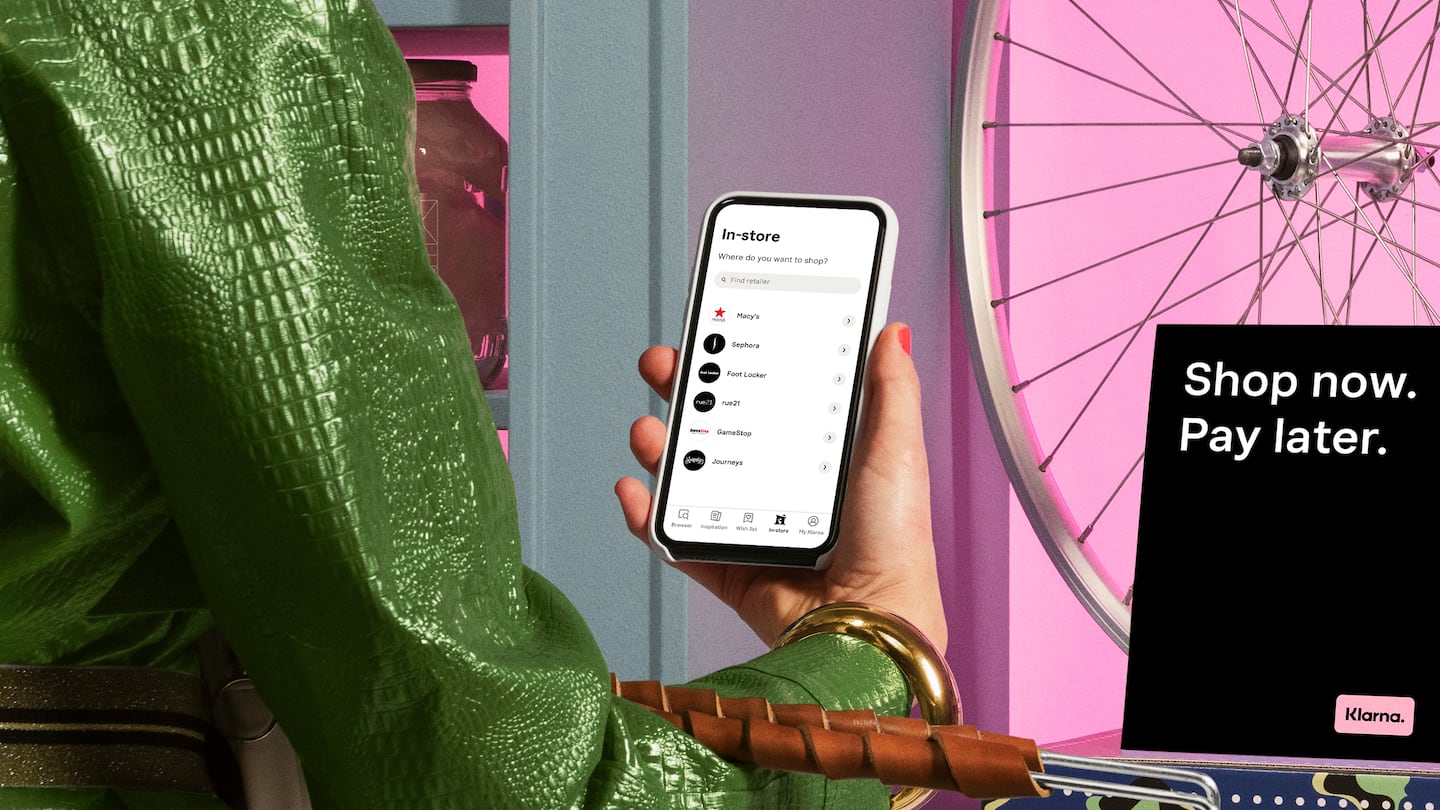
Buy now, pay later lenders such as Block Inc.’s Afterpay, Affirm Holdings Inc. and Klarna Bank AB should be treated in some ways like credit-card providers, according to one US financial regulator.
The US Consumer Financial Protection Bureau published a new interpretation of existing laws and regulations on Wednesday to make clear that, like credit-card providers, BNPL firms must investigate disputes, refund returned products or voided services, and provide billing statements.
That means BNPL companies should be treated more like those that offer credit cards, but not entirely: The CFPB didn’t interpret the existing framework to say that BNPL firms have to assess whether a consumer has the ability to repay their short-term instalment loans.
“When Congress defined credit cards, it included devices both known and unknown,” CFPB director Rohit Chopra said on a call with journalists. “While we think of a credit card as a piece of plastic, it encompasses a wide array of devices, including digital forms of credit payments.”
ADVERTISEMENT
Chopra said the BNPL industry is now a major part of the consumer credit market that offers meaningful alternatives to other credit options. “We want to make sure they are not gaining an advantage by sidestepping existing regulations,” he said.
The CFPB’s interpretation of the law will take effect in 60 days.
Buy now, pay later firms exploded in popularity with the exponential growth of e-commerce during the pandemic, and have stuck around since, expanding their offerings and growing in scale. The consumer protection agency’s announcement is a first public crack at fitting BNPL companies into the existing regulatory framework, and follows a September 2022 report on the industry.
Unlike the credit-card industry, where big banks and other card issuers are subject to direct CFPB supervision, most large buy now, pay later companies don’t get regular visits from the agency. At least one exception is Affirm, which has said it’s subject to supervision by the CFPB. That means agency examiners will be able to determine whether it’s running afoul of existing credit-card rules applicable to BNPL companies.
The CFPB will be soliciting comments on whether further clarification is needed, but agency officials said they aren’t in the process of actively producing new rules to regulate BNPL firms. Other regulators including the Office of the Comptroller of the Currency have previously warned of risks associated with buy now, pay later lending.
With more consumers turning to alternative payment methods, major financial institutions have also jumped into the fray, including PayPal Holdings Inc., US Bancorp and Citizens Financial Group Inc. Big banks including Citigroup Inc. and JPMorgan Chase & Co. also offer pay-over-time offerings on their credit cards.
By Paige Smith and Paulina Cachero
Learn more:
ADVERTISEMENT
How ‘Buy Now, Pay Later’ Apps Are Changing as They Mature
Uncertainty over how BNPL companies can make money in the long run, high interest rates and concerns over luring shoppers into unwise debt levels are factors this sector has to grapple with.
While $1.75 billion in court-approved funding has brought labels back to the fold, the real test for vendors will come when that temporary safety net vanishes later this year.
A growing number of mass and premium brands are pushing upmarket with a more luxe look, better materials and, often, higher prices. This case study unpacks how these labels are navigating the tricky challenge of elevating a brand.
Brands from Prada to Abercrombie & Fitch will provide clarity on how the fashion industry is approaching the newly uncertain trade landscape. Plus, a preview of Paris Fashion Week.
The goods come from more than 380 brands, including Burberry and those owned by luxury powerhouses LVMH and Kering.
It’s not an existential crisis — yet — but Rick Owens and Daniel Roseberry confront some headscratchers in their latest collections.
Stick with the program or switch it up? Angelo Flaccavento reports on Chloé, Rabanne, Schiaparelli, Rick Owens and Uma Wang.
The brands Gap and Banana Republic beat comparable sales estimates.
Sex sells — if anyone can figure out what sexy means in 2026. Robert Williams tracks the search for a new silhouette at Kering’s Gucci, LVMH’s Dior and more.


