
Agenda-setting intelligence, analysis and advice for the global fashion community.
Agenda-setting intelligence, analysis and advice for the global fashion community.

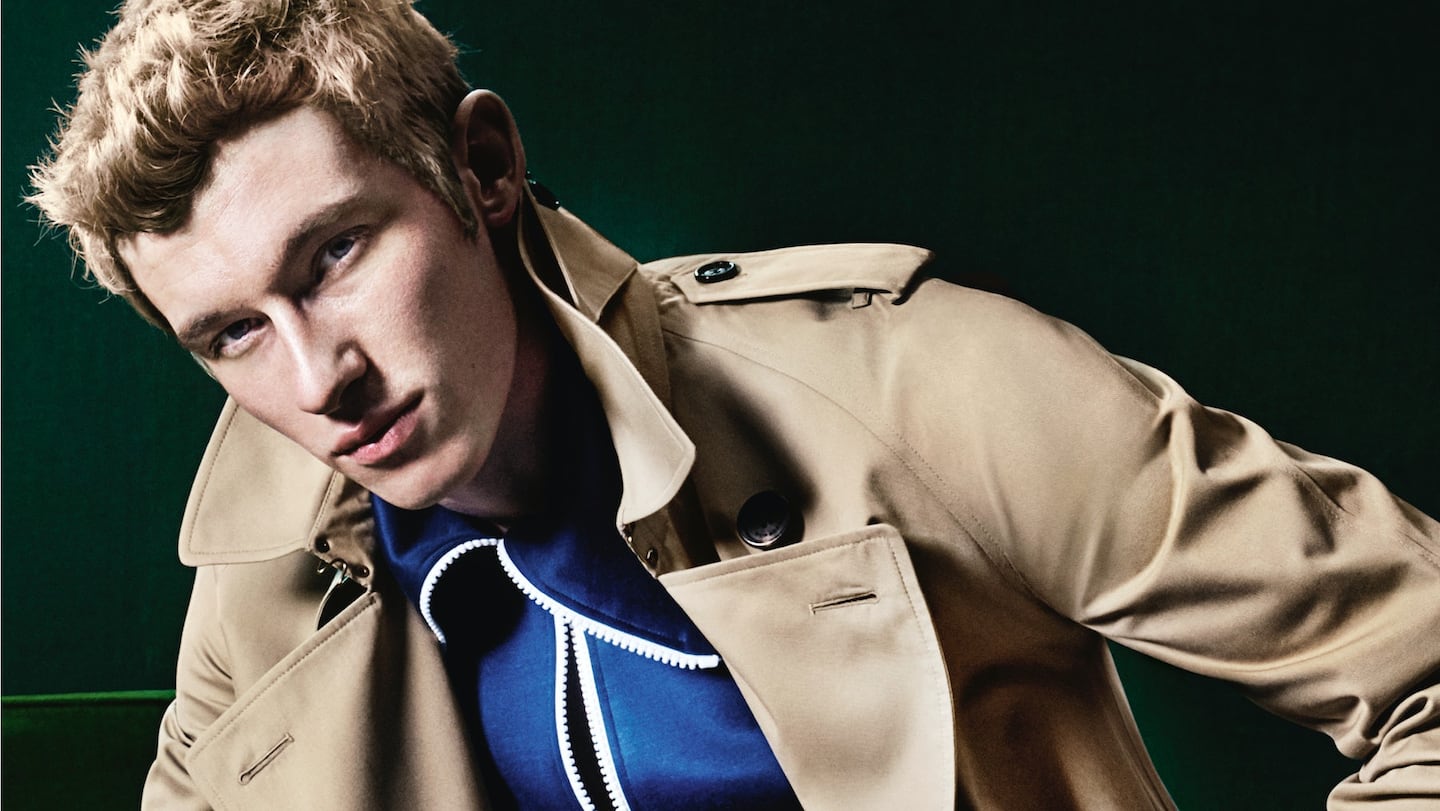
LONDON, United Kingdom — Burberry Group Plc, the UK luxury-goods maker that shook up its top management ranks earlier this week, reported first-quarter revenue that slightly beat analysts' estimates, as shoppers in the UK stepped up purchases in the final weeks of the period.
Retail revenue was little changed at £423 million ($563 million) in the three months through June, London-based Burberry said Wednesday in a statement. Analysts predicted £415 million, according to the median of estimates compiled by Bloomberg. Comparable sales fell 3 percent, beating the 5 percent drop expected by analysts.
“The UK, which is our largest market in the region, improved in the final weeks of the quarter, to deliver mid single-digit percentage comparable growth,” Burberry said in the statement. “The external environment remains challenging.”
Burberry surprised investors this week by announcing that Christopher Bailey will give up his role as chief executive officer and focus on steering creative design after a two-year experiment in handling both roles led to declining profits and slumping shares. The company, grappling with a slowdown in luxury spending, is also getting a new chief financial officer, who will serve as operations chief as well in the wake of chief operating officer John Smith's planned departure.
ADVERTISEMENT
One bright spot amid Burberry’s woes is the weakness of the pound: a 10 percent drop in sterling could add as much as £90 million to pretax earnings, MainFirst Bank AG estimates. In an interview Monday with Bloomberg Television, Bailey said the pound’s weakness “helps in certain ways.”
Bailey said that incoming chief executive officer Marco Gobbetti supports the strategy he has followed, which includes narrowing Burberry’s product range, putting a sharper focus on bags and online sales, and cutting costs. His plan to target annual savings of £100 million within three years implies job cuts, which Sanford C. Bernstein analyst Mario Ortelli estimates could run into the hundreds.
By Andrew Roberts; editors: Matthew Boyle and Paul Jarvis.
While $1.75 billion in court-approved funding has brought labels back to the fold, the real test for vendors will come when that temporary safety net vanishes later this year.
A growing number of mass and premium brands are pushing upmarket with a more luxe look, better materials and, often, higher prices. This case study unpacks how these labels are navigating the tricky challenge of elevating a brand.
Brands from Prada to Abercrombie & Fitch will provide clarity on how the fashion industry is approaching the newly uncertain trade landscape. Plus, a preview of Paris Fashion Week.
The goods come from more than 380 brands, including Burberry and those owned by luxury powerhouses LVMH and Kering.
The brands Gap and Banana Republic beat comparable sales estimates.
Sex sells — if anyone can figure out what sexy means in 2026. Robert Williams tracks the search for a new silhouette at Kering’s Gucci, LVMH’s Dior and more.
Christine Hunsicker admitted she falsified financial statements to promote CaaStle Inc. as a valuable, growing business when in reality it was struggling.
The American cosmetic giant’s buyout of Ayurvedic beauty line Forest Essentials came as a surprise. By picking an under-the-radar brand it knows well, the company can show that it’s still in the M&A game without needing to outbid rivals.


