Agenda-setting intelligence, analysis and advice for the global fashion community.
Agenda-setting intelligence, analysis and advice for the global fashion community.

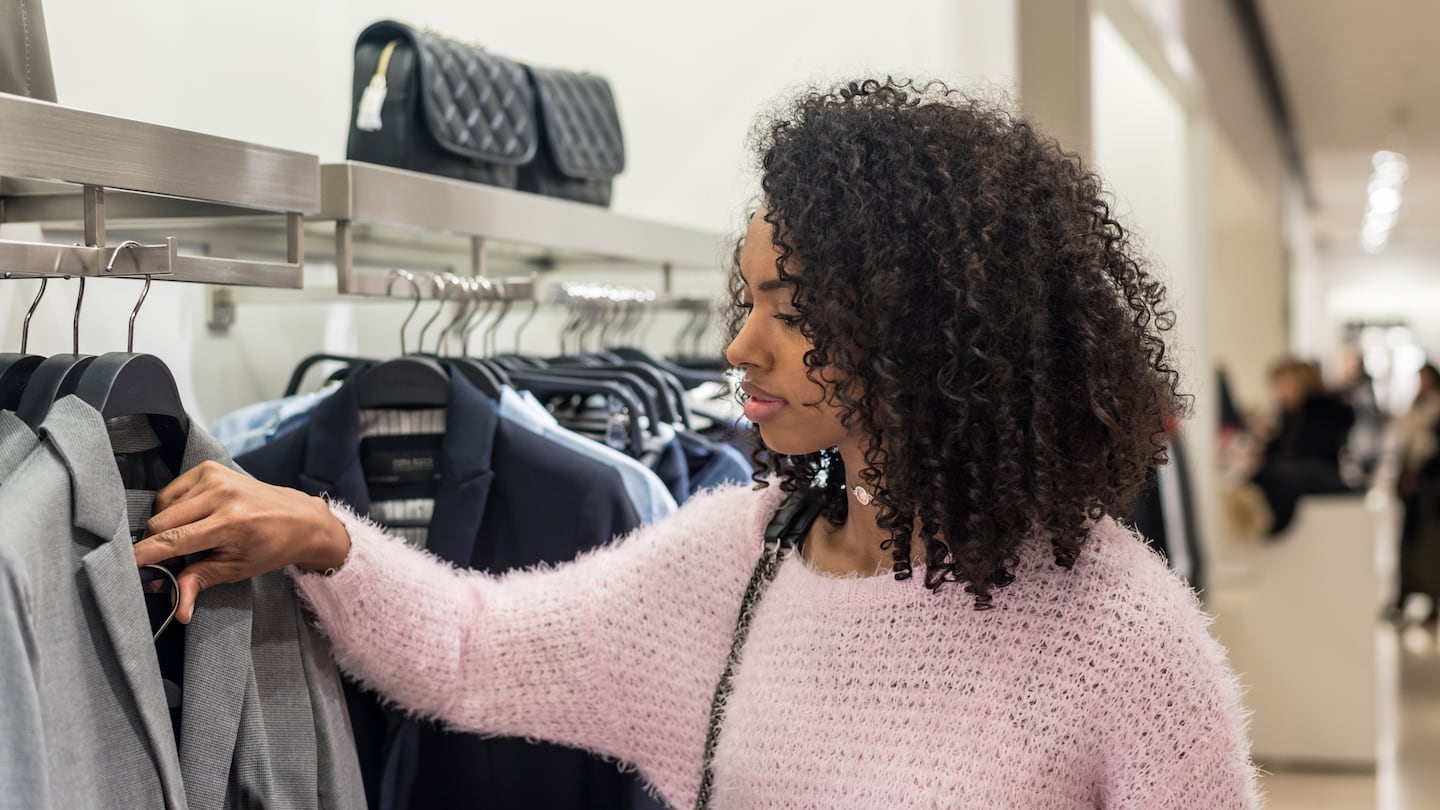
There could be $300 billion in annual US spending up for grabs by the Black community because corporate America still isn’t creating enough products that appeal to them.
Black Americans are more unhappy with offerings in categories ranging from personal care to financial services and housing than the overall population, according to a report released Thursday by McKinsey and Co. That means Black shoppers are ripe to be poached by other brands and willing to pay as much as 20 percent more for an item that caters to them.
“It’s an opportunity for everyone because it’s a customer segment that has been frankly neglected across categories,” said Shelley Stewart, a partner at McKinsey and co-author of the report.
Brands’ recent efforts to create offerings for Black shoppers still fall short, according to the report. Companies often focus on products for a mass audience and lose sight of the gains they could see when changing a product to suit a smaller audience like Black shoppers, Stewart said.
ADVERTISEMENT
To unlock Black spending power, companies need more diversity, including putting Black employees in management roles that impact product design and marketing, according to the report.
A few companies have done a good job of addressing the needs of Black consumers, according to McKinsey. One is Bevel, a brand of personal care and grooming products geared toward Black men that Procter & Gamble acquired in 2018. There’s also Rihanna’s beauty and lingerie lines, which have been reported to have a combined valuation of $4 billion. Fenty Beauty pioneered offering dozens of shades of foundation to appeal to women of colour. And Savage X Fenty promotes diverse ideals of beauty with models of all shapes and skin tones.
Rihanna’s beauty brand “fills a significant market need and the valuation of that company speaks for the opportunity,” Stewart said. “You’re seeing it in different sectors and pockets, but more work could be done.”
By Josyana Joshua and Carolina Gonzalez
While $1.75 billion in court-approved funding has brought labels back to the fold, the real test for vendors will come when that temporary safety net vanishes later this year.
A growing number of mass and premium brands are pushing upmarket with a more luxe look, better materials and, often, higher prices. This case study unpacks how these labels are navigating the tricky challenge of elevating a brand.
Brands from Prada to Abercrombie & Fitch will provide clarity on how the fashion industry is approaching the newly uncertain trade landscape. Plus, a preview of Paris Fashion Week.
The goods come from more than 380 brands, including Burberry and those owned by luxury powerhouses LVMH and Kering.
The brands Gap and Banana Republic beat comparable sales estimates.
Sex sells — if anyone can figure out what sexy means in 2026. Robert Williams tracks the search for a new silhouette at Kering’s Gucci, LVMH’s Dior and more.
Christine Hunsicker admitted she falsified financial statements to promote CaaStle Inc. as a valuable, growing business when in reality it was struggling.
The American cosmetic giant’s buyout of Ayurvedic beauty line Forest Essentials came as a surprise. By picking an under-the-radar brand it knows well, the company can show that it’s still in the M&A game without needing to outbid rivals.