
Agenda-setting intelligence, analysis and advice for the global fashion community.
Agenda-setting intelligence, analysis and advice for the global fashion community.

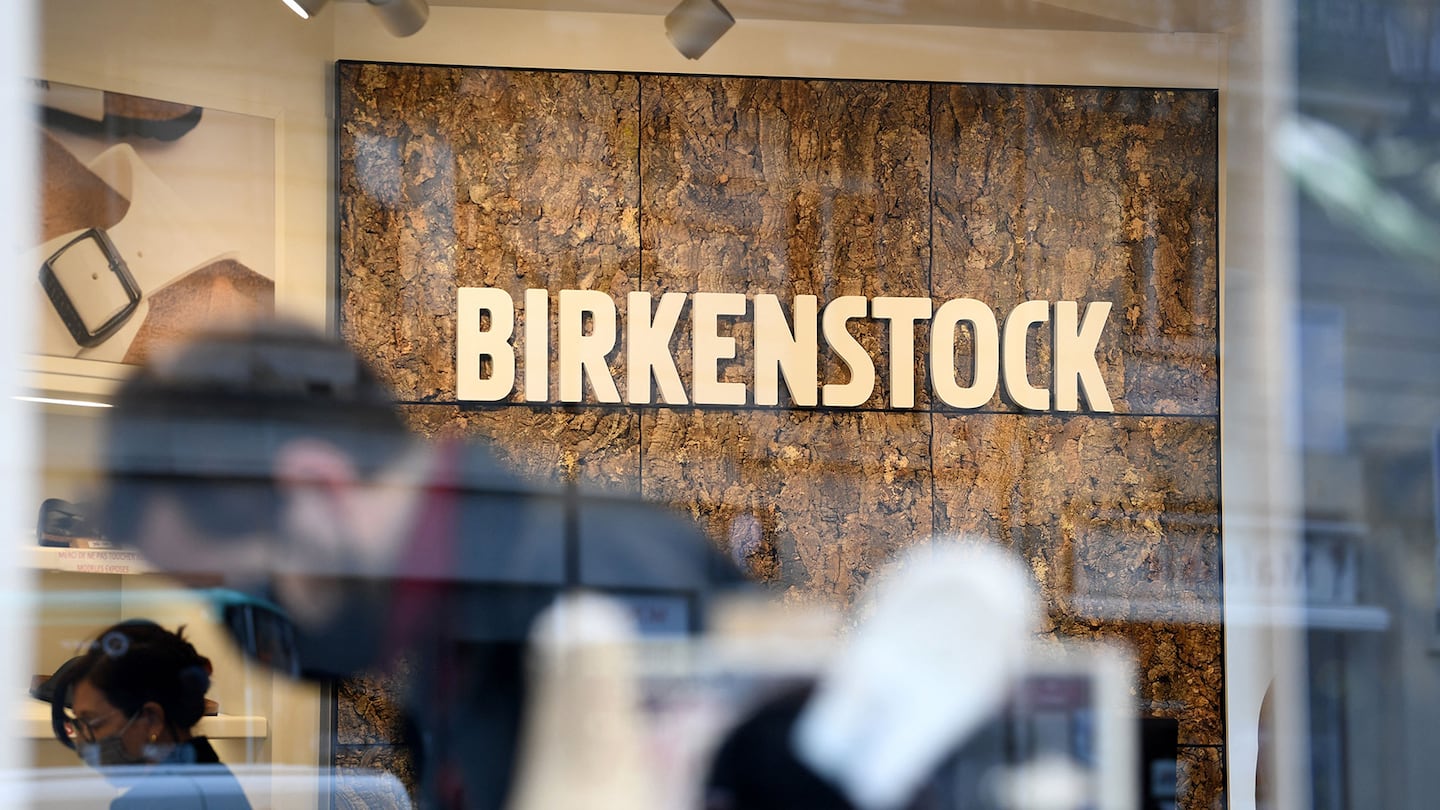
Birkenstock Holding Plc disappointed investors by leaving its 2024 financial targets unchanged, even as consumers snapped up more of its high-end sandals and clogs.
Shares fell about 12 percent as of 7 a.m. in New York trading after the company affirmed its sales and profit targets for the fiscal year that ends Sept. 30. As of Wednesday, the stock had climbed about 32 percent since its October listing, narrowly outperforming the S&P 500 Index.
Chief executive officer Oliver Reichert is looking to convince investors that the company can maintain its decade-long hot streak by staying fashionable, expanding its production capacity in Germany and Portugal and targeting previously untapped countries like China and India.
Birkenstock reported €186 million ($206 million) in adjusted earnings before interest, taxes, depreciation and amortisation for the quarter that ended June 30, according to the statement Thursday. That’s up 15 percent from last year and was in line with analyst estimates.
ADVERTISEMENT
One area of focus for investors will be Birkenstock’s direct-to-consumer sales channel, which came in about 9 percent below estimates, Luca Solca, an analyst at Bernstein, pointed out in a note.
Despite that, Birkenstock showed growth in all regions and sales channels, benefiting in particular from growing demand for its closed-toed sneakers, boots, clogs and slippers, which often command higher price tags than the classic sandals.
The company is also expanding its offering of cheaper plastic footwear, which is pulling in new customers and convincing long-time fans to pick up extra pairs that are geared toward the beach and humid climates.
To help fuel that growth, Birkenstock spent another €15 million in the quarter to expand capacity at its factories, including a new facility in Pasewalk, Germany. The company has spent €50 million so far this year on such efforts, part of its plan to double production capacity in the next few years to help it grow rapidly in countries like China.
Birkenstock opened seven new stores during the third quarter, bringing the total number of owned retail locations to 64, it said.
Birkenstock reiterated its medium and long-term targets of achieving a gross profit margin of about 60 percent and adjusted Ebitda margin of more than 30 percent.
By Tim Loh and Bashirat Oladele
Learn more:
ADVERTISEMENT
How the 250-year-old German orthopedic shoe company with “Succession”-level family drama transformed itself into a luxury behemoth.
While $1.75 billion in court-approved funding has brought labels back to the fold, the real test for vendors will come when that temporary safety net vanishes later this year.
A growing number of mass and premium brands are pushing upmarket with a more luxe look, better materials and, often, higher prices. This case study unpacks how these labels are navigating the tricky challenge of elevating a brand.
Brands from Prada to Abercrombie & Fitch will provide clarity on how the fashion industry is approaching the newly uncertain trade landscape. Plus, a preview of Paris Fashion Week.
The goods come from more than 380 brands, including Burberry and those owned by luxury powerhouses LVMH and Kering.
The brands Gap and Banana Republic beat comparable sales estimates.
Sex sells — if anyone can figure out what sexy means in 2026. Robert Williams tracks the search for a new silhouette at Kering’s Gucci, LVMH’s Dior and more.
Christine Hunsicker admitted she falsified financial statements to promote CaaStle Inc. as a valuable, growing business when in reality it was struggling.
The American cosmetic giant’s buyout of Ayurvedic beauty line Forest Essentials came as a surprise. By picking an under-the-radar brand it knows well, the company can show that it’s still in the M&A game without needing to outbid rivals.


