Agenda-setting intelligence, analysis and advice for the global fashion community.
Agenda-setting intelligence, analysis and advice for the global fashion community.

SEATTLE, United States — Why would Amazon want to buy a twice-bankrupt American clothing company that has lost money for years?
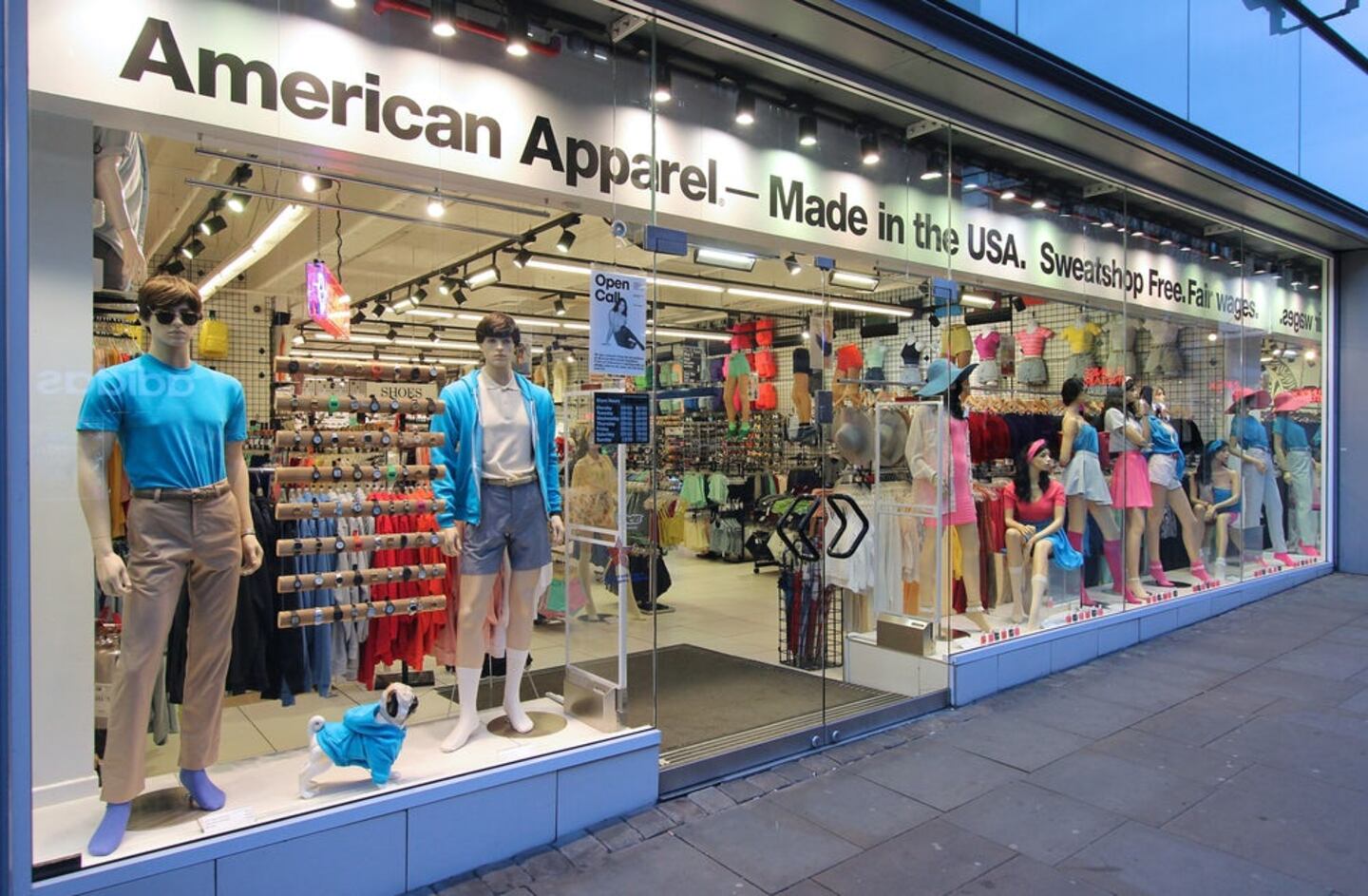
The question has loomed large since the news broke Wednesday that the online behemoth is mulling a bid for American Apparel. Amazon will not confirm any interest in making a deal, but the idea is far from outlandish for a company with mammoth fashion aspirations.
American Apparel has had its ups and downs. Its mercurial founder, Dov Charney, was ousted after allegations that he was an erratic manager and sexually harassed female employees. But the company remains a strong brand with an enduring connection with millennial shoppers, who like American Apparel’s urban wear — and are more inclined than their elders to shop online.
Apparel is an increasingly important part of Amazon’s retail business. The company has been pushing deeper into fashion with its own private-label clothing brands such as the Lark & Ro line of dresses and swimwear and suits from Franklin Tailored. In 2009, Amazon bought Zappos.com in a stock and cash deal valued at about $850 million and let the online shoe store continue to operate independently. It has a possible model for American Apparel, which presumably would become an online-only entity should Amazon acquire it.
ADVERTISEMENT
“Amazon has two key growth pillars for retail growth — apparel and grocery,” says Ed Yruma, managing director of KeyBanc Capital Markets. “While I’m not going to handicap the likelihood of this particular rumor, I do think we will see them mentioned more frequently as a buyer of apparel brands.”
An added benefit to buying the retailer: American Apparel owns a clothing factory in Los Angeles. That would position Amazon to respond to apparel trends more quickly than competitors that make clothes overseas — a major advantage in this age of fast fashion.
Plus, many apparel brands are reluctant to sell on Amazon because they’re afraid counterfeiters will swamp the site with fakes, confusing and angering their customers. With a factory, Amazon could make similar clothes and steal customers from big-name brands, a move that in turn could force those brands to put their products on Amazon.
There is one more potential upside. That factory employs about 4,000 people and would give Amazon chief executive officer Jeff Bezos an opportunity to trumpet his Made in USA bona fides. Not a bad thing with Donald Trump about to move into the White House.
By Spencer Soper; editors: Jillian Ward and Robin Ajello.
While $1.75 billion in court-approved funding has brought labels back to the fold, the real test for vendors will come when that temporary safety net vanishes later this year.
A growing number of mass and premium brands are pushing upmarket with a more luxe look, better materials and, often, higher prices. This case study unpacks how these labels are navigating the tricky challenge of elevating a brand.
Brands from Prada to Abercrombie & Fitch will provide clarity on how the fashion industry is approaching the newly uncertain trade landscape. Plus, a preview of Paris Fashion Week.
The goods come from more than 380 brands, including Burberry and those owned by luxury powerhouses LVMH and Kering.
The activewear giant seems intent on turning its nearly 40-year-old niche outdoor fashion brand into a mainstream success. The plan hinges on convincing backpackers and athletes its rugged technical gear can perform just as well as The North Face or Arc’teryx.
It’s not an existential crisis — yet — but Rick Owens and Daniel Roseberry confront some headscratchers in their latest collections.
Stick with the program or switch it up? Angelo Flaccavento reports on Chloé, Rabanne, Schiaparelli, Rick Owens and Uma Wang.
The brands Gap and Banana Republic beat comparable sales estimates.


