
Agenda-setting intelligence, analysis and advice for the global fashion community.
Agenda-setting intelligence, analysis and advice for the global fashion community.

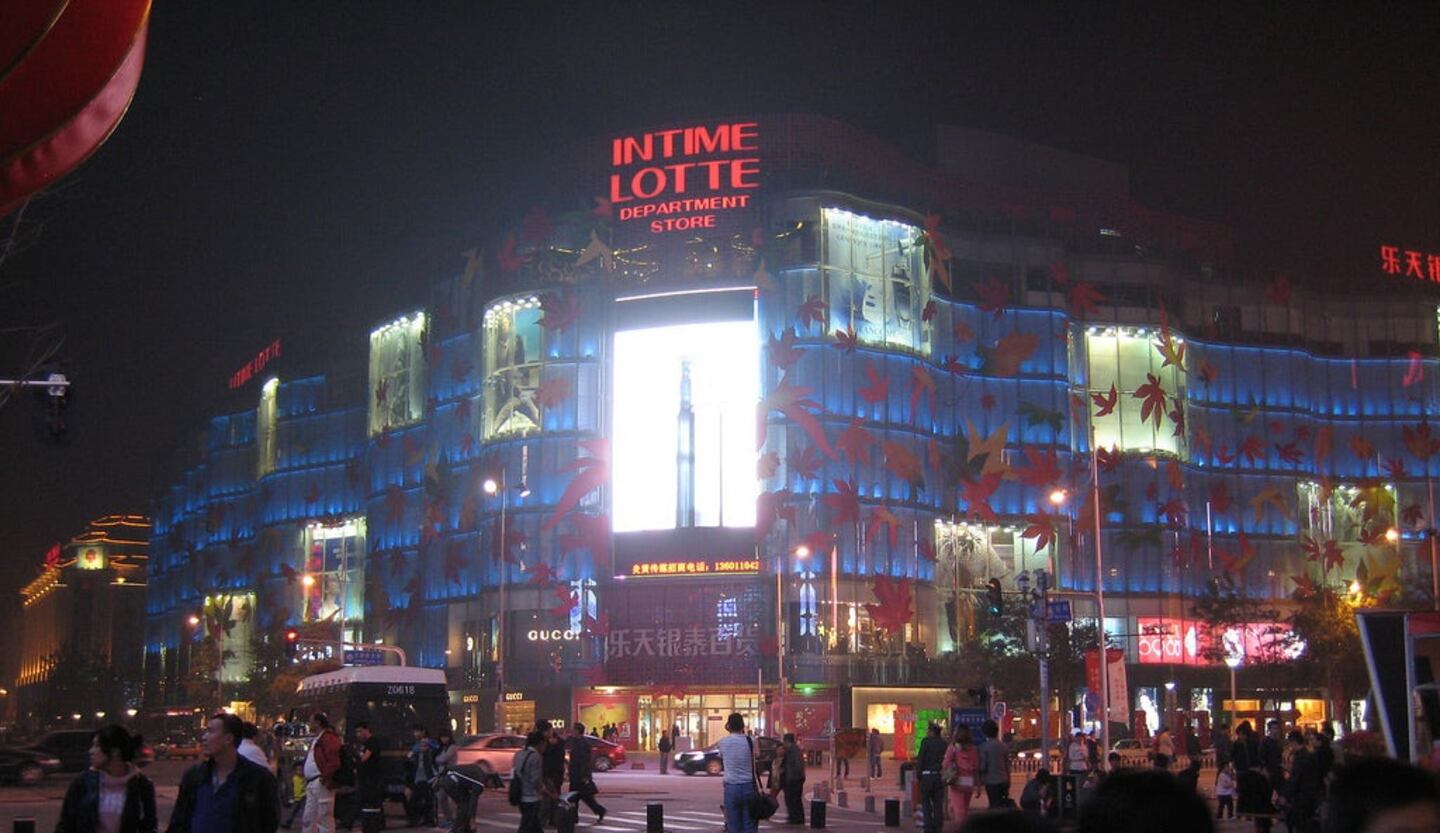
HONG KONG, China — E-commerce firm Alibaba Group Holding Ltd and the founder of Intime Retail Group Co Ltd <1833.HK> have jointly bid to take the Chinese department store operator private for HK$19.79 billion (£2.1 billion), the partners said on Tuesday.
Alibaba Investment Ltd and Shen Guo Jun have offered HK$10 per Intime share. That would represent 42.25 percent more than the stock's last price of HK$7.03 on Dec. 28 when trading was suspended pending an announcement. The stock price surged 35 percent when trading resumed on Tuesday.
The Alibaba group currently holds 27.82 percent of Intime while Shen owns 9.17 percent. The pair plan to finance the purchase through internal cash resources and external debt financing.
Intime said in a statement to Hong Kong's stock exchange that Alibaba and Shen planned to explore development opportunities and implement a series of long-term growth strategies, which could affect its short-term growth.
ADVERTISEMENT
"We don't divide the world into real or virtual economies, only the old and the new," said Alibaba Group chief executive officer Daniel Zhang in a separate statement. "Those who cling on to the old ways of retailing will be disrupted."
"Our combination with Intime will enable us to tap into the long-term growth potential of a new form of retail in China powered by Internet technology and data," Zhang said.
China's retail sector is worth $4.5 trillion and is growing at 10.7 percent a year, Alibaba said. The e-commerce firm also said it was working with offline retailers to create a new shopping experience.
Alibaba initially took a stake in Intime in 2014 with an investment of $692.25 million.
Intime operates 29 department stores and 17 shopping malls in China, mainly in so-called first- and second-tier cities. In August, it posted a 21.3 percent fall in first-half profit amid declining sales, saying e-commerce had transformed the competitive landscape.
Its shares fell 8 percent in 2016, compared with a 0.4 percent rise in the benchmark Hang Seng Index <.HSI>.
Separately, Alibaba executive chairman Jack Ma met US President-elect Donald Trump on Monday and laid out his firm's plan to bring a million small US businesses onto its e-commerce platform to sell to Chinese consumers over the next five years.
By Donny Kwok; editors: Anne Marie Roantree and Christopher Cushing.
While $1.75 billion in court-approved funding has brought labels back to the fold, the real test for vendors will come when that temporary safety net vanishes later this year.
A growing number of mass and premium brands are pushing upmarket with a more luxe look, better materials and, often, higher prices. This case study unpacks how these labels are navigating the tricky challenge of elevating a brand.
Brands from Prada to Abercrombie & Fitch will provide clarity on how the fashion industry is approaching the newly uncertain trade landscape. Plus, a preview of Paris Fashion Week.
The goods come from more than 380 brands, including Burberry and those owned by luxury powerhouses LVMH and Kering.
The underwear company is anticipating net sales of at least $6.85 billion in the current fiscal year, exceeding analyst estimates and marking the highest revenue since its split from L Brands Inc in 2021.
The Japanese brand is accelerating its expansion in India to capture a greater share of the rapidly growing apparel market and affluent consumer base.
Strong growth at Miu Miu helped lift results, but the Italian luxury group said that integrating Versace will weigh on margins in the near term as it begins the turnaround of the struggling brand
Activist fund Oasis Management Co. is calling on the Japanese personal care company to convene an extraordinary general meeting, seeking a probe into its supply-chain risk management and internal control.


