
Agenda-setting intelligence, analysis and advice for the global fashion community.
Agenda-setting intelligence, analysis and advice for the global fashion community.

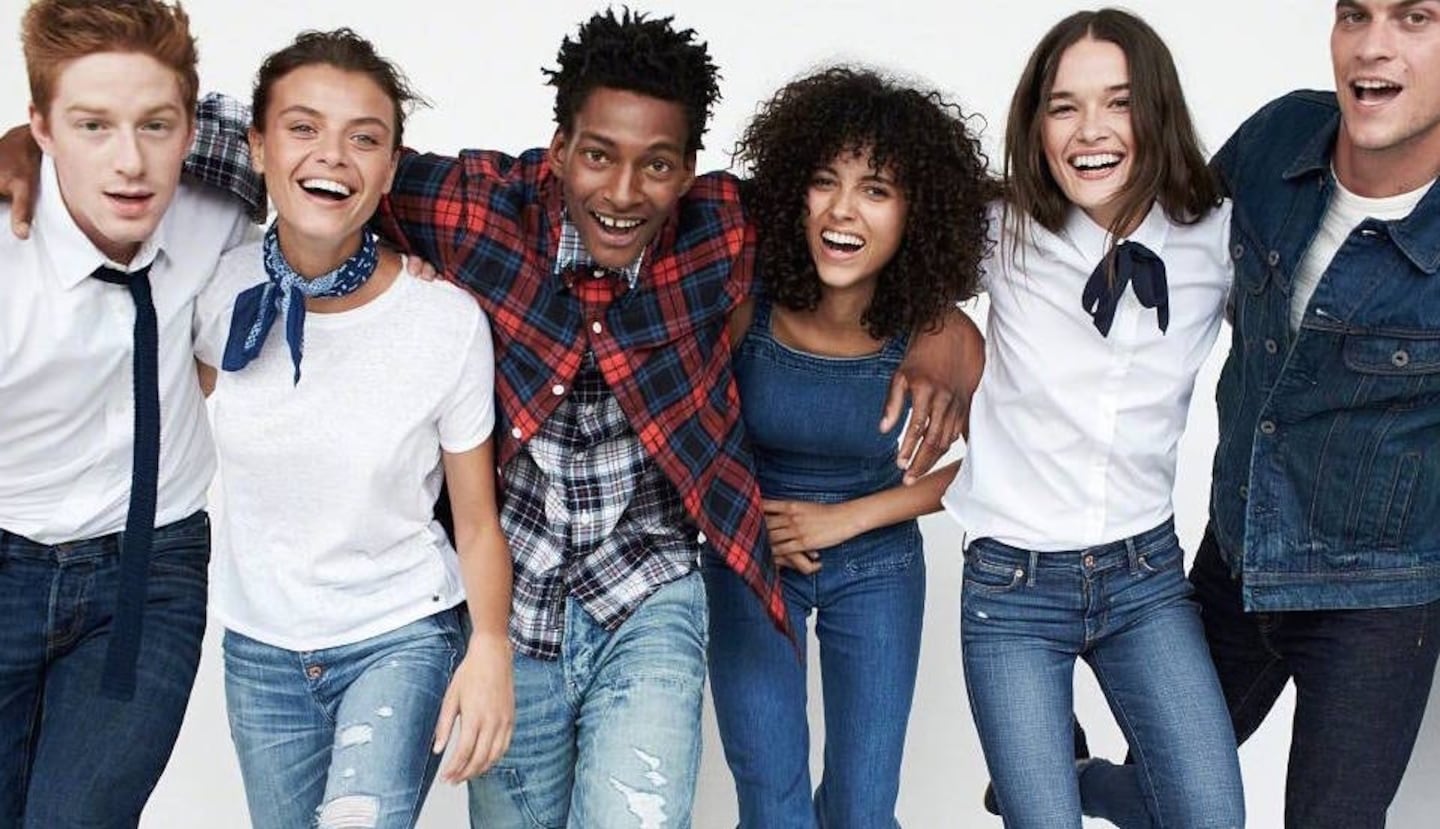
NEW ALBANY, United States — Abercrombie & Fitch wants adults in their twenties to wear its selection of button-downs, jeans, and graphic tees. The grown-ups appear to be saying: Why would I?
Comparable sales for the Abercrombie brands, including both A&F and its small sister label for tweens, Abercrombie Kids, fell 7 percent last quarter, Abercrombie & Fitch Co. reported on Tuesday. Executives said problems at flagship and tourist-destination stores dragged down results for the company, which also owns teen clothing chain Hollister. The Abercrombie brand has not posted positive comparable sales since 2012.
"We're targeting a 20- to 29-year-old customer," Arthur Martinez, the company's 76-year-old executive chairman, said of the namesake brand in an interview. "We're clearly aiming for a more grown-up customer with greater sophistication and greater style."
Martinez is using older models to market the clothes and selling clothing that's more relevant to adults, such as work outfits and going-out gear. He said that he is not abandoning teens but they are no longer the company's focus. At least half of Abercrombie's customers are now over 20 years old, according to the company, and analysts agree that the new merchandise is going in the right direction. Still, there is a long way to go.
ADVERTISEMENT
Teens often are drawn to adult brands, aspiring to wear them one day but not yet able to afford them. It's much harder for a retailer to flip that dynamic. Why would a fully grown man or woman want to put on clothes that once pervaded high schools everywhere?
"We see limited reasons for older customers to shift back to a 'teen' brand and, frankly, there are better brands and lifestyles for the 20+ customer to focus on," Eric Beder, an analyst at Wunderlich Securities, wrote in a note to clients. "All in all, we believe the company faces a multi-year process before any material operating turn."
It has already been a multiyear process for Abercrombie. In 2014, executives expressed the desire to reach an older set of shoppers to separate the namesake brand from sister brand Hollister. Over the years, the two had become muddled, battling over the same teens. Executives decided to reposition A&F as a "premium" label for people in their twenties, hoping to add new customers while giving Hollister kids something to graduate to once they ditch teen clothes.
Hollister is faring much better than A&F, though comparative sales dipped 2 percent last quarter. It has continued to seek out teen shoppers with a new fast-fashion selection, and it appears to be increasing in popularity among upper-income teens, according to a survey from Piper Jaffray.
Abercrombie once focused on a brand that accepted the cool kids and shunned all the others. It worked for years, until young shoppers decided they didn't want to exclude their peers, don logos, or gawk at massive billboards of shirtless models. As it works to appeal to a broader set of customers, Abercrombie is having trouble establishing a distinct new image. For now, the brand remains amorphous.
"A&F still has much work before its brands are restored to full health," Neil Saunders, chief executive officer of retail consultancy and research firm Conlumino, wrote in a note to clients. As he sees it, Abercrombie needs to establish a "stronger sense of identity" if it wants to be relevant again.
As the holiday season approaches, Abercrombie will ramp up advertising to show shoppers its new personality, Martinez said. That personality promises to nourish the wearer's "best self and inner confidence," president and chief merchandising officer Fran Horowitz-Bonadies said.
"Research into today's young adult consumer demonstrates a shift in what confidence means," she said during a conference call with analysts. "It is no longer outer-directed but inner-direct. Image is less important than character, and it's more important to feel confident than to appear confident."
ADVERTISEMENT
So far, it seems shoppers just do not feel confident enough.
By Kim Bhasin; editor: Peter Jeffrey.
While $1.75 billion in court-approved funding has brought labels back to the fold, the real test for vendors will come when that temporary safety net vanishes later this year.
A growing number of mass and premium brands are pushing upmarket with a more luxe look, better materials and, often, higher prices. This case study unpacks how these labels are navigating the tricky challenge of elevating a brand.
Brands from Prada to Abercrombie & Fitch will provide clarity on how the fashion industry is approaching the newly uncertain trade landscape. Plus, a preview of Paris Fashion Week.
The goods come from more than 380 brands, including Burberry and those owned by luxury powerhouses LVMH and Kering.
Stick with the program or switch it up? Angelo Flaccavento reports on Chloé, Rabanne, Schiaparelli, Rick Owens and Uma Wang.
The brands Gap and Banana Republic beat comparable sales estimates.
Sex sells — if anyone can figure out what sexy means in 2026. Robert Williams tracks the search for a new silhouette at Kering’s Gucci, LVMH’s Dior and more.
Christine Hunsicker admitted she falsified financial statements to promote CaaStle Inc. as a valuable, growing business when in reality it was struggling.


