Agenda-setting intelligence, analysis and advice for the global fashion community.
Agenda-setting intelligence, analysis and advice for the global fashion community.

FedEx, United Parcel Service and other delivery firms that struggled with too much pandemic-fueled demand from online retailers like Amazon and Walmart, now have the opposite problem - too much delivery capacity.
Online sales started fizzling during last year’s peak delivery season from Thanksgiving weekend through the end of the year. FedEx, UPS and the U.S. Postal Service (USPS) kept adding facilities and staff, even as more consumers returned to in-store shopping and higher food, fuel and rent costs eroded discretionary spending.
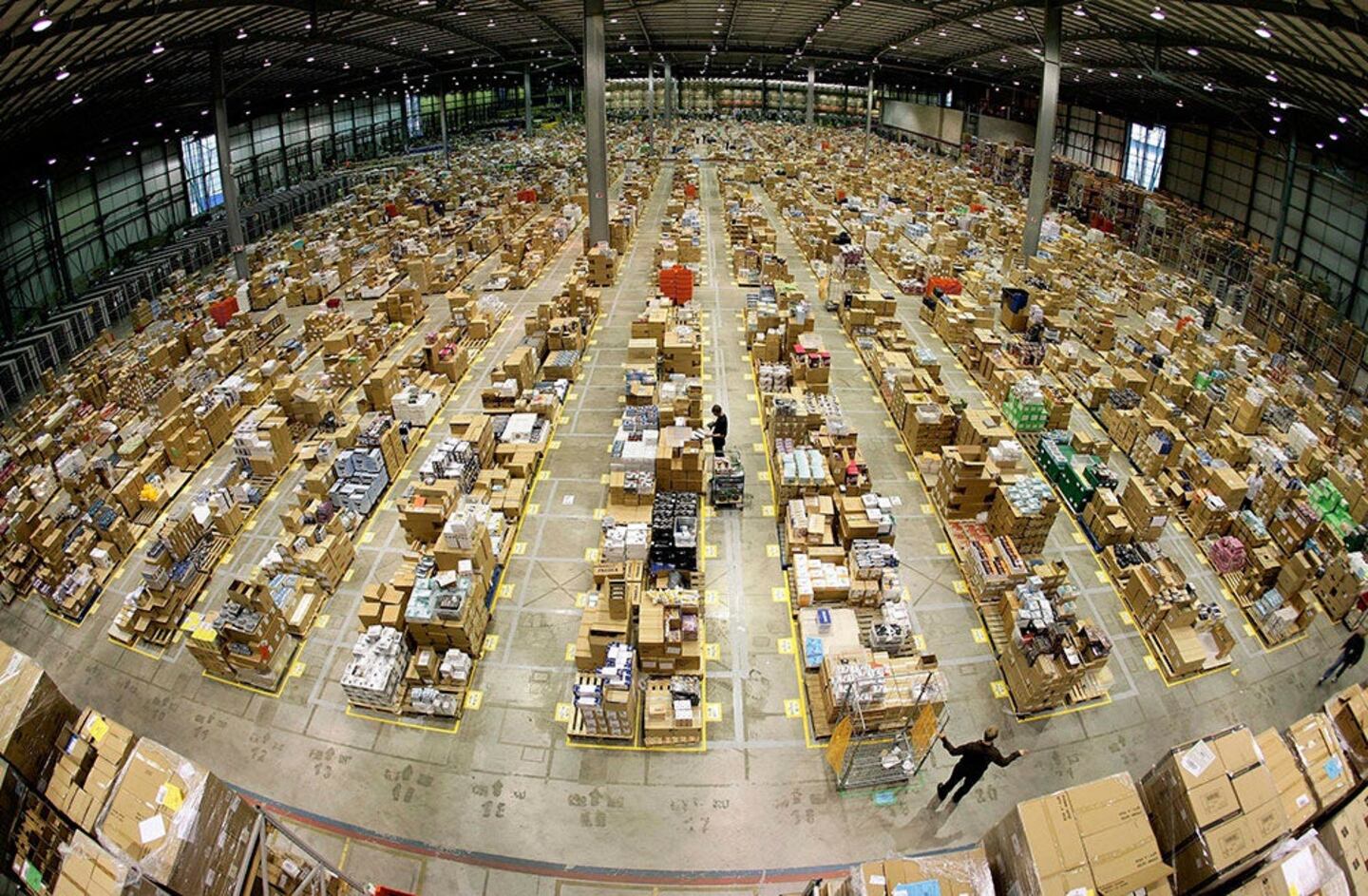
Those delivery firms now can handle 110 million holiday packages per day. That could outpace peak season demand by 18 million packages per day, according to Satish Jindel, a consultant whose holiday peak volume forecasts are closely watched by delivery firms.
That imbalance could result in “financial challenges for the carriers if they do not cut back hiring for this peak season,” said Jindel, president of consulting firm ShipMatrix.
ADVERTISEMENT
That is because it is hard for increased low-margin home delivery volume to offset the extra cost of temporary workers, Jindel said.
A shift to excess capacity would mark a sharp reversal for delivery providers.
During the 2020 and 2021 holiday peak delivery seasons, demand outstripped capacity by 7.2 million and 1.3 million packages per day, respectively, Jindel said.
FedEx last week warned that global demand was slowing more than it had expected and said it would cut costs by reducing labor hours and combining sorting centers. FedEx overestimated holiday demand last year, and many Ground delivery contractors got stuck with bills for hiring workers and renting trucks they did not need.
UPS is sticking with its plan to hire more than 100,000 holiday workers, the same as last year, a spokesman said.
Changing market dynamics could mean that FedEx and UPS will be more open to using discounts to keep customers next year, experts said.
“We’re on the cusp of that,” said Kenneth Moyer, a partner at shipping consultancy LJM Group.
By Lisa Baertlein; Editing by Richard Chang
ADVERTISEMENT
Learn more:
What Happens When the E-Commerce Boom Ends
Online sales growth is returning to its slower, pre-pandemic trajectory. As shoppers head back into stores, new expectations around service are setting the stage for the next chapter of retail.
While $1.75 billion in court-approved funding has brought labels back to the fold, the real test for vendors will come when that temporary safety net vanishes later this year.
A growing number of mass and premium brands are pushing upmarket with a more luxe look, better materials and, often, higher prices. This case study unpacks how these labels are navigating the tricky challenge of elevating a brand.
Brands from Prada to Abercrombie & Fitch will provide clarity on how the fashion industry is approaching the newly uncertain trade landscape. Plus, a preview of Paris Fashion Week.
The goods come from more than 380 brands, including Burberry and those owned by luxury powerhouses LVMH and Kering.
The activewear giant seems intent on turning its nearly 40-year-old niche outdoor fashion brand into a mainstream success. The plan hinges on convincing backpackers and athletes its rugged technical gear can perform just as well as The North Face or Arc’teryx.
It’s not an existential crisis — yet — but Rick Owens and Daniel Roseberry confront some headscratchers in their latest collections.
Stick with the program or switch it up? Angelo Flaccavento reports on Chloé, Rabanne, Schiaparelli, Rick Owens and Uma Wang.
The brands Gap and Banana Republic beat comparable sales estimates.