
Agenda-setting intelligence, analysis and advice for the global fashion community.
Agenda-setting intelligence, analysis and advice for the global fashion community.

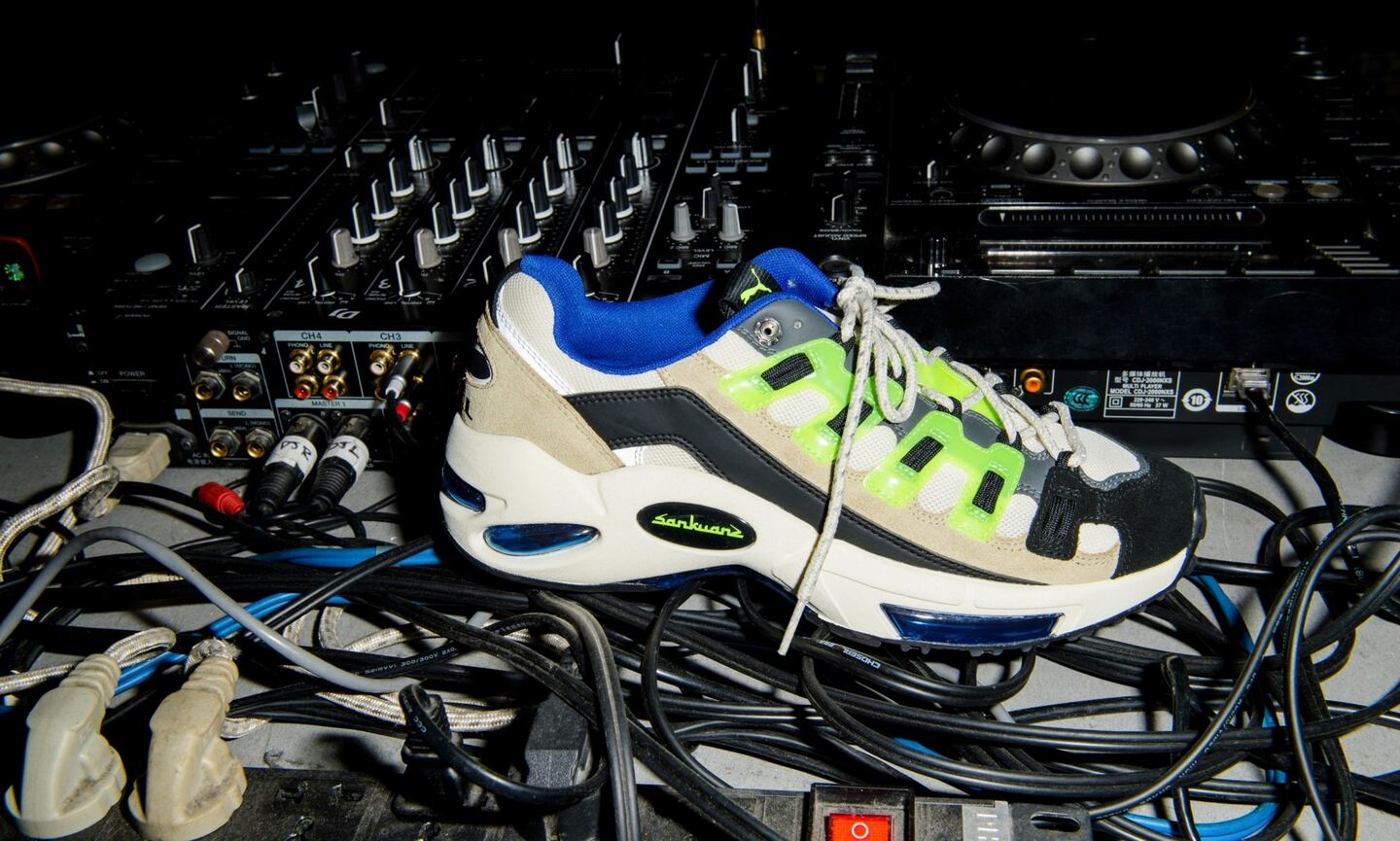
HERZOGENAURACH, Germany — Puma SE is already feeling the heat from the US-China trade war before President Donald Trump's proposed tariffs hit the sportswear sector.
In a bid to insulate itself, Puma is accelerating a shift of footwear and apparel production out of China and into countries like Vietnam, Bangladesh and Cambodia. As other manufacturers do the same, the new supply hubs are getting more crowded. That’s driving up costs for everything from factories to shoe components to packaging, Puma Chief Executive Bjorn Gulden said.
“I can’t quantify what that is, because I don’t think there’s a number for it, but it’s just a fact,” Gulden said Wednesday on a call with reporters after the release of quarterly results.
Trump has threatened tariffs as high as 25 percent on footwear, and the stampede of shoe and apparel production out of China has forced Puma to lock in capacity at facilities in hubs like Vietnam earlier than usual, Gulden said. As a result, the Herzogenaurach, Germany-based company is carrying about 7 percent more inventory than it normally would.
ADVERTISEMENT
In May, Puma signed an open letter to Trump — along with Nike Inc., Adidas AG and other footwear companies — that said tariffs on shoes made in China would be “catastrophic for our consumers, our companies and the American economy as a whole.”
Representatives for Adidas and Nike didn’t immediately respond to requests for comment.
The price impact will probably vary regionally, Gulden said. Chinese consumers are shielded, because the factories that once churned out products for the world increasingly serve domestic customers’ needs. But U.S. customers could see the tariff costs in clothing prices.
“You can’t move all production out of China, and therefore there will be a price increase in the market that will be visible for the consumer,” Gulden said.
By Tim Loh; editors: Eric Pfanner and John Lauerman.
Hours after the Supreme Court issued its decision, Trump began relying on alternative legislation to try to rebuild his tariff wall.
The new announcement stirred up more economic turbulence as president Trump lashed out at the US Supreme Court.
A majority of justices struck down the ‘Liberation Day’ tariffs that sent shockwaves through the fashion industry, setting the stage for a rush of brands trying to recoup duties they’ve already paid.
The ruling strikes down the so-called ‘Liberation Day’ tariffs that sent a shockwave through the fashion industry and sets the stage for a rush of brands trying to recoup duties they’ve already paid.
The Japanese sportswear brand is accelerating global expansion by acquiring race-registration platforms to deepen engagement with runners.
The activewear giant seems intent on turning its nearly 40-year-old niche outdoor fashion brand into a mainstream success. The plan hinges on convincing backpackers and athletes its rugged technical gear can perform just as well as The North Face or Arc’teryx.
It’s not an existential crisis — yet — but Rick Owens and Daniel Roseberry confront some headscratchers in their latest collections.
Stick with the program or switch it up? Angelo Flaccavento reports on Chloé, Rabanne, Schiaparelli, Rick Owens and Uma Wang.


