
Agenda-setting intelligence, analysis and advice for the global fashion community.
Agenda-setting intelligence, analysis and advice for the global fashion community.

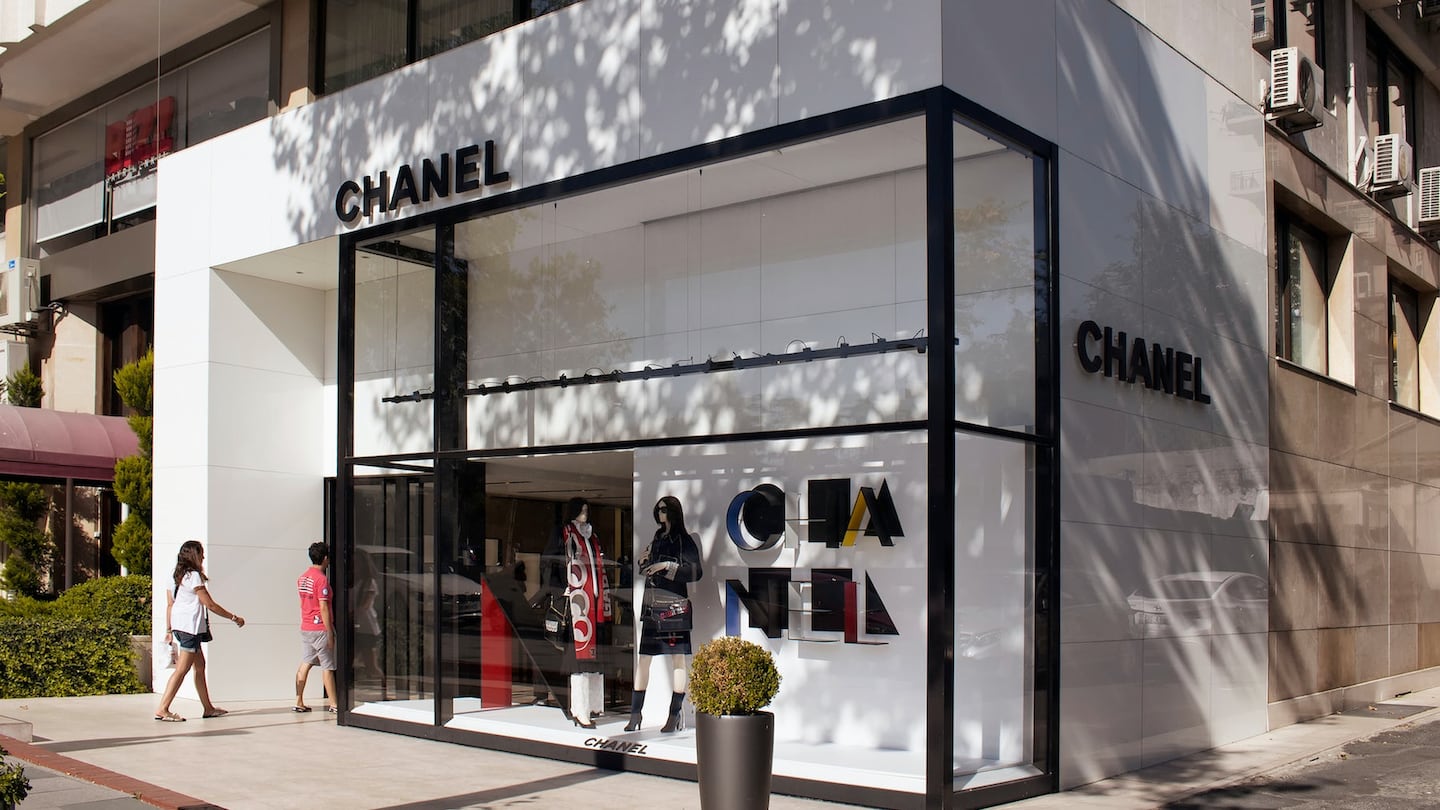
ISTANBUL, Turkey — As everyone knows, there are two sides to every trade. With more than 80 million Turks substantially poorer following a plunge in their currency, the winners were foreigners behind the velvet ropes at Istanbul's Istinye Park Mall.
They were lining up to splurge at some of the world's priciest retailers — Louis Vuitton, Chanel and Hermès among them — at the ritzy open-air shopping complex under clear blue skies. All of a sudden, the wares on offer had gotten a whole lot cheaper for the lucky few with foreign currency to spend.
"Turkey is now the cheapest place in the world for shopping,” said Orhan, 22, who was holding a place in the line outside Louis Vuitton for a Chinese couple shopping elsewhere, and who didn’t want to give his last name.
Down the street at Chanel, the prize for a half-hour wait outside closed glass doors might have been a “Classic Chanel Camera Case Bag”: At 18,500 liras, the leather bag was selling for the equivalent of $2,877, an almost 25 percent discount to the $3,700 it costs on a European Chanel online site.
ADVERTISEMENT
Inside the shops, customers were asking prices, with their iPhones at hand to convert them into euros and dollars at the latest rate. It’s been hard to keep up: in the past three weeks, the lira has lost 27 percent against the dollar — 21 percent of that in the last week alone.
Virtually all those queuing up outside were Arab and Asian visitors, with a smattering of Europeans. Turkish buyers were nowhere in sight.
“We earn dollars and buy things in Turkish lira," said Carson, 35, a Chinese native who works in telecommunications in Istanbul. He declined to give his full name while chatting with a reporter outside Louis Vuitton. "For companies in the long run it’s not good, for the local people it’s not good. They suffer from the currency."
But there was a silver lining, maybe.
“Normally people buy something for their friends as well,” he said.
By Constantine Courcoulas; editors: James Hertling and Benjamin Harvey.
Strong growth at Miu Miu helped lift results, but the Italian luxury group said that integrating Versace will weigh on margins in the near term as it begins the turnaround of the struggling brand
After Swatch Group launched an attack on Morgan Stanley’s influential annual watch report, Swatch-owned Tissot cracks open the door for a glimpse at some numbers and Robin Swithinbank says it’s time a secretive industry came clean on financials.
Half a year after Giorgio Armani’s death, it appears to be business as usual at the sprawling fashion empire while potential investors continue to circle with no firm bid in sight.
Kering, LVMH and OTB all have significant skin in the game this Milan Fashion Week with new designer runway debuts at storied Italian brands.
Christine Hunsicker admitted she falsified financial statements to promote CaaStle Inc. as a valuable, growing business when in reality it was struggling.
The American cosmetic giant’s buyout of Ayurvedic beauty line Forest Essentials came as a surprise. By picking an under-the-radar brand it knows well, the company can show that it’s still in the M&A game without needing to outbid rivals.
The underwear company is anticipating net sales of at least $6.85 billion in the current fiscal year, exceeding analyst estimates and marking the highest revenue since its split from L Brands Inc in 2021.
The Japanese brand is accelerating its expansion in India to capture a greater share of the rapidly growing apparel market and affluent consumer base.


