
Agenda-setting intelligence, analysis and advice for the global fashion community.
Agenda-setting intelligence, analysis and advice for the global fashion community.

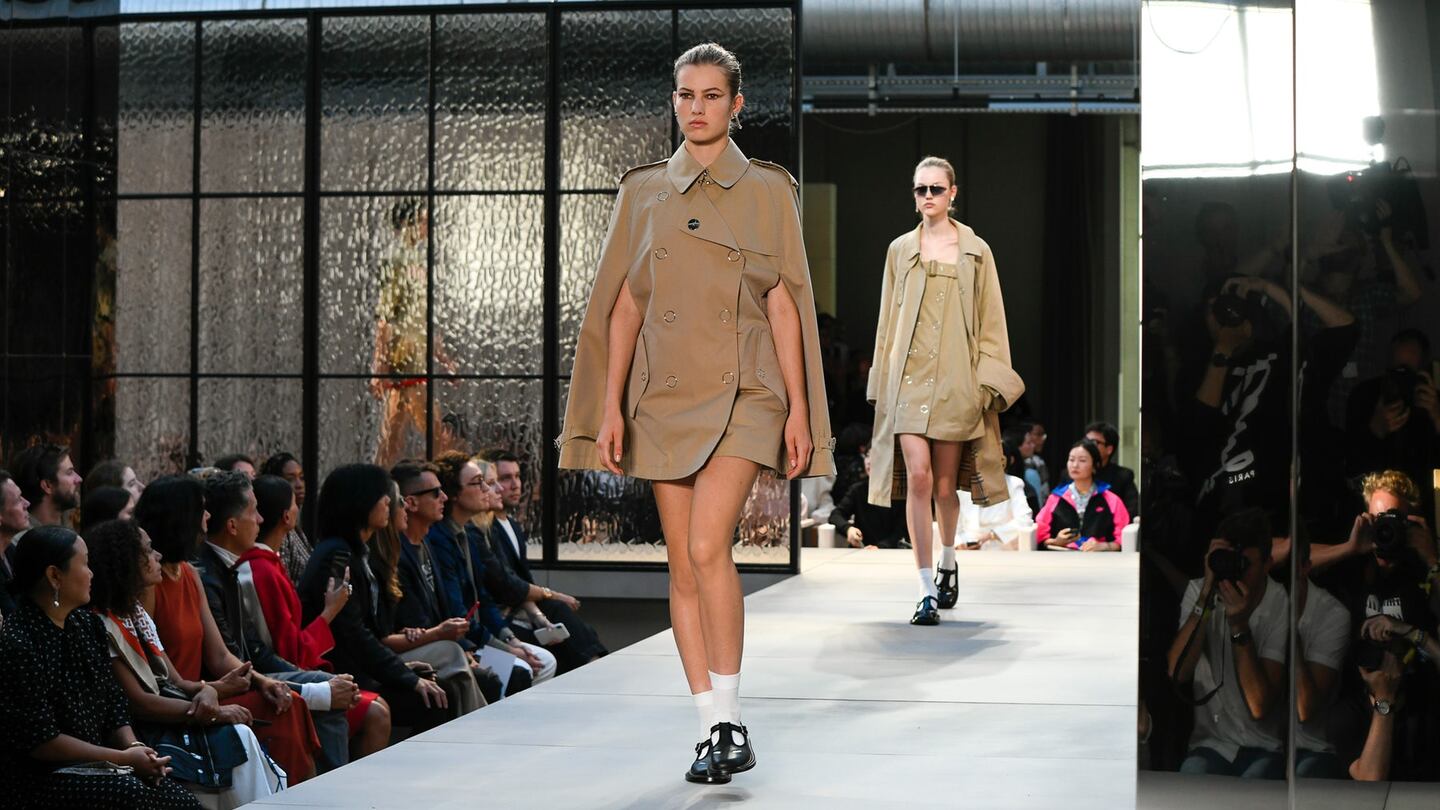
LONDON, United Kingdom — Burberry's first runway show by designer Riccardo Tisci started Sept. 17 at the 17th hour of the day.
This is not by coincidence: 17 is Tisci's lucky number and Burberry Group Plc is getting on board. The UK fashion brand says it's releasing limited-edition capsule collections on the 17th of every month, starting Wednesday with white sweatshirts at £450 ($591) and T-shirts emblazoned with red "TB" logos, a nod to brand founder Thomas Burberry.
Astrology, tarot and new-age spiritual elements like crystals and pyramid power are part of the daily currency of high fashion and Tisci, whom Burberry has hired to bring excitement and credibility, is an avid adherent. He cites his astrological sign (Leo) for his industry rise and has spoken about consulting psychic mediums and tarot-card readers. Watches and T-shirts he released while at LVMH’s Givenchy bore the number 17, as well as images of giant crystals.
But if scheduling a brand with more than $3 billion in annual sales according to a designer’s superstitions sounds eccentric, the strategy of monthly fashion drops is not. Luxury’s biggest brands are racing to put scarcity back in the marketing equation, luring young shoppers with limited-edition releases like the kind that have inspired fans to camp out in front of skateboarding label Supreme.
ADVERTISEMENT
Burberry won’t say why Tisci prizes his prime number (considered bad luck in his native Italy) but the 17th card of the tarot is auspicious: “The Star.”
The company may have good enough to follow Tisci’s lead: During his tenure at Givenchy, where he was known for throwing salt in the corners of buildings to remove negative energy, he grew the business from just a handful of stores to around 70, with estimated revenue of more than 500 million euros ($577 million).
By Robert Williams; editors: Eric Pfanner, Robert Williams, John Lauerman.
Sex sells — if anyone can figure out what sexy means in 2026. Robert Williams tracks the search for a new silhouette at Kering’s Gucci, LVMH’s Dior and more.
Strong growth at Miu Miu helped lift results, but the Italian luxury group said that integrating Versace will weigh on margins in the near term as it begins the turnaround of the struggling brand
After Swatch Group launched an attack on Morgan Stanley’s influential annual watch report, Swatch-owned Tissot cracks open the door for a glimpse at some numbers and Robin Swithinbank says it’s time a secretive industry came clean on financials.
Half a year after Giorgio Armani’s death, it appears to be business as usual at the sprawling fashion empire while potential investors continue to circle with no firm bid in sight.
Sex sells — if anyone can figure out what sexy means in 2026. Robert Williams tracks the search for a new silhouette at Kering’s Gucci, LVMH’s Dior and more.
Christine Hunsicker admitted she falsified financial statements to promote CaaStle Inc. as a valuable, growing business when in reality it was struggling.
The American cosmetic giant’s buyout of Ayurvedic beauty line Forest Essentials came as a surprise. By picking an under-the-radar brand it knows well, the company can show that it’s still in the M&A game without needing to outbid rivals.
The underwear company is anticipating net sales of at least $6.85 billion in the current fiscal year, exceeding analyst estimates and marking the highest revenue since its split from L Brands Inc in 2021.


