
Agenda-setting intelligence, analysis and advice for the global fashion community.
Agenda-setting intelligence, analysis and advice for the global fashion community.

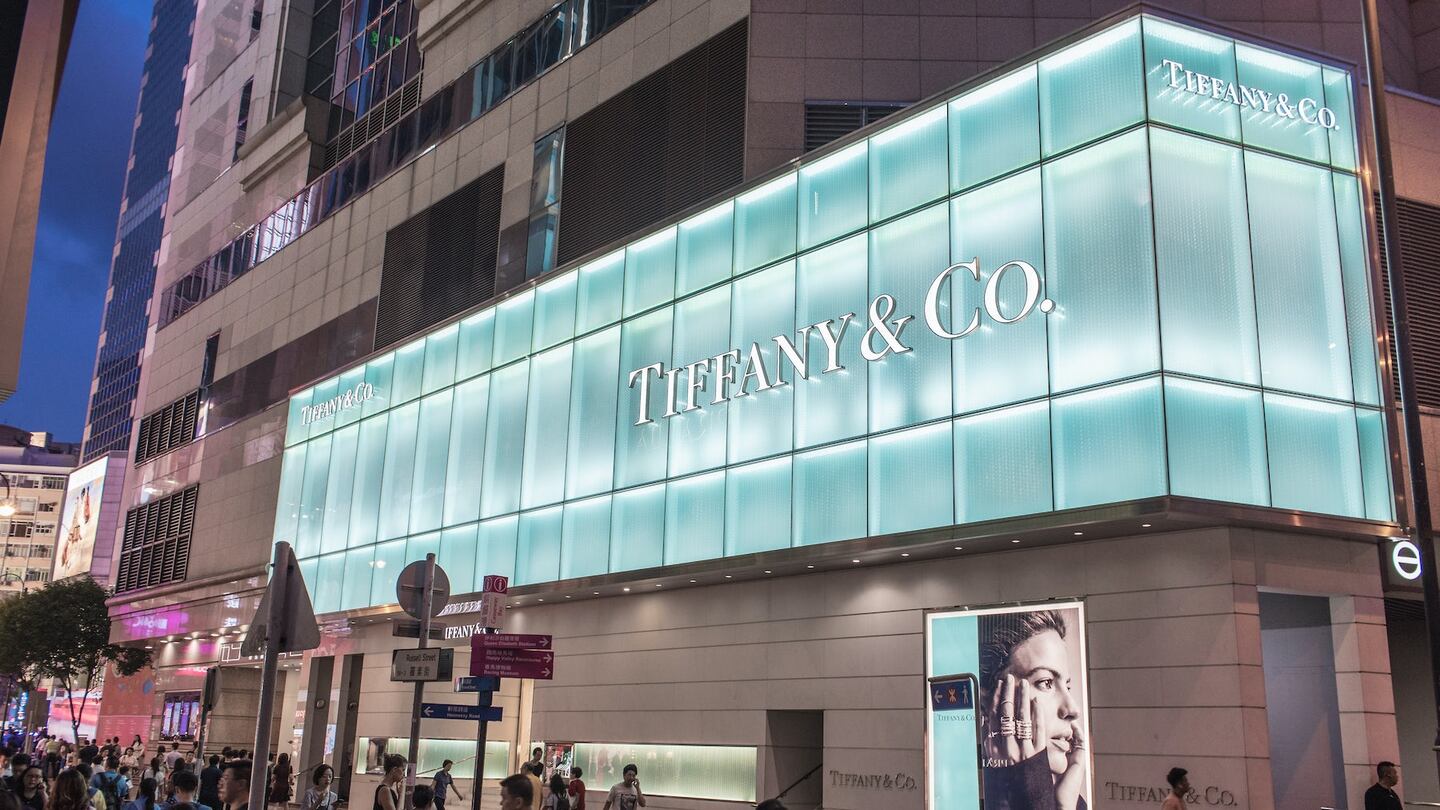
NEW YORK, United States — Tiffany & Co's US sales to Chinese tourists fell by more than 25 percent last quarter, a trend that's worsening as a trade war escalates between the two countries.
The jeweller first started seeing cracks in tourist spending a year ago, and it has further deteriorated over the past three quarters. The company said the overall sales drop to tourists visiting the US steepened to 25 percent last quarter from a year earlier, and the decline was even deeper among travellers from China, without giving a specific number.
The trend represents a threat for US luxury companies, which depend on deep-pocketed foreigners for a not-insignificant part of their sales. The problem will likely be exacerbated by a travel warning Tuesday, in which China’s Ministry of Culture and Tourism dissuaded citizens from visiting the US because of “frequent” shootings, robbery and theft. State-run television network China Central Television said US law enforcement agencies had “repeatedly harassed” Chinese travellers.
“Of course we are not happy when there are recommendations of not travelling,” Chief Executive Alessandro Bogliolo said in an interview Tuesday. “But of course this is outside our control. We’re focusing on what’s under our control."
ADVERTISEMENT
The company’s internal estimates show that foreign tourists account for a low-double-digit percentage of Tiffany’s US sales. Revenue from the Americas represented about 40 percent of the company’s total of $1 billion in the first quarter.
It's not just Tiffany that's feeling the impact. Jeffrey Goh, chief executive of the Star Alliance group of airlines, said this week that his association's members have seen a decline in US-bound travellers from China. Star Alliance includes carriers such as Air China and United Continental Holdings Inc. PVH Corp, the owner of Calvin Klein and Tommy Hilfiger apparel, reported last month that US-China tensions are causing anxiety among consumers.
For Tiffany, the other side of the coin is that the Chinese government is urging its citizens to increase domestic consumption, which helped push the jewellery maker’s sales in mainland China up by double digits in the first quarter.
Currency trends are also playing a role. When exchange rates were favourable, Chinese vacationers would often make shopping lists of what they wanted to buy from luxury brands before travelling abroad, Bogliolo said. That stopped as the US dollar strengthened, so they shifted to buying more of those goods domestically.
Sales to wealthy travellers tend to skew toward Tiffany’s New York flagship location, West Coast stores and boutiques in the Northeast that are close to major universities.
By Kim Bhasin; Editors: Anne Riley Moffat, Jonathan Roeder, Lisa Wolfson
Sex sells — if anyone can figure out what sexy means in 2026. Robert Williams tracks the search for a new silhouette at Kering’s Gucci, LVMH’s Dior and more.
Strong growth at Miu Miu helped lift results, but the Italian luxury group said that integrating Versace will weigh on margins in the near term as it begins the turnaround of the struggling brand
After Swatch Group launched an attack on Morgan Stanley’s influential annual watch report, Swatch-owned Tissot cracks open the door for a glimpse at some numbers and Robin Swithinbank says it’s time a secretive industry came clean on financials.
Half a year after Giorgio Armani’s death, it appears to be business as usual at the sprawling fashion empire while potential investors continue to circle with no firm bid in sight.
The brands Gap and Banana Republic beat comparable sales estimates.
Sex sells — if anyone can figure out what sexy means in 2026. Robert Williams tracks the search for a new silhouette at Kering’s Gucci, LVMH’s Dior and more.
Christine Hunsicker admitted she falsified financial statements to promote CaaStle Inc. as a valuable, growing business when in reality it was struggling.
The American cosmetic giant’s buyout of Ayurvedic beauty line Forest Essentials came as a surprise. By picking an under-the-radar brand it knows well, the company can show that it’s still in the M&A game without needing to outbid rivals.


