
Agenda-setting intelligence, analysis and advice for the global fashion community.
Agenda-setting intelligence, analysis and advice for the global fashion community.

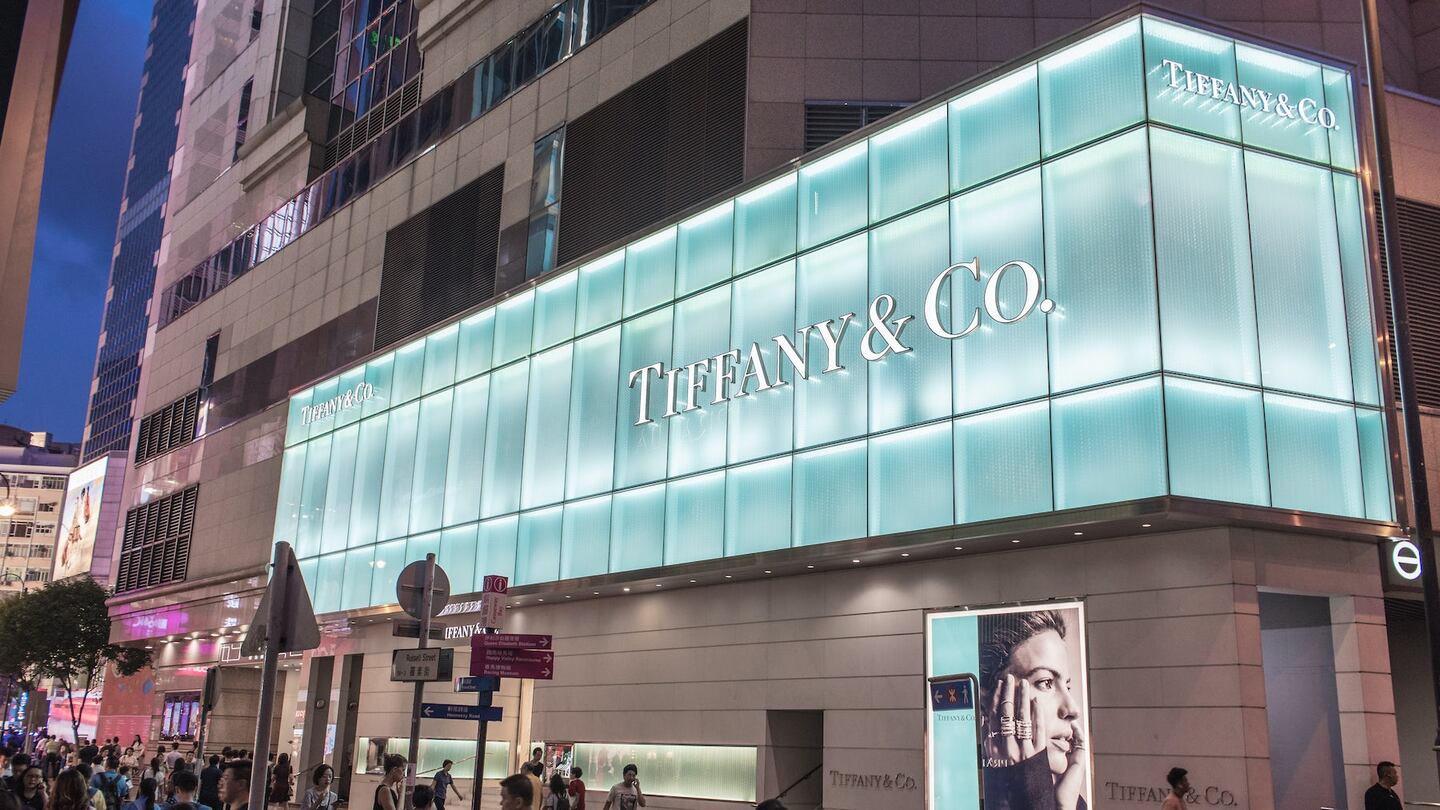
NEW YORK, United States — Tiffany & Co. plunged after Women's Wear Daily reported LVMH's deal to buy the luxury jewellery company is uncertain as the US economy faces widespread upheaval.
LVMH board members arranged to meet on Tuesday to discuss the proposed deal, WWD reported, citing unidentified individuals. Board members are concerned about the Covid-19 pandemic that has disrupted the US economy and growing unrest over police violence, WWD said. They also expressed concern about Tiffany’s ability to cover its debt covenants at the end of the transaction.
Tiffany’s representatives didn’t immediately respond to a request for comment from Bloomberg. LVMH declined to comment.
Tiffany shares, which were halted for several minutes due to volatility, fell as much as 13 percent, the most intraday since 2015, before closing down 8.9 percent on Tuesday. The stock slid 3.9 percent this year through Monday, while the S&P 500 Index fell 5.4 percent.
ADVERTISEMENT
The economic fallout from the pandemic has disrupted or derailed a number of prominent deals, including L Brands Inc.’s agreement to sell a majority stake in Victoria’s Secret to private-equity firm Sycamore Partners. If the LVMH-Tiffany tie-up falls apart, it would be one of the largest so far related to Covid-19.
The New York-based jeweller website says, as of June 1, its stores are temporarily closed until further notice. The pandemic has also impacted the company’s ability to offer next-day and express shipping.
The stores went dark in mid-March due to the pandemic shutdown. Some of its locations have had their windows boarded up as protests roil cities across the country.
LVMH’s planned purchase of Tiffany for more than $16 billion has been the subject of speculation after the coronavirus pandemic suddenly altered the consumer landscape across the globe.
For LVMH, the deal originally made a lot of sense: buying US-based Tiffany would help the Louis Vuitton owner challenge Cartier owner Richemont for dominance in the global jewellery business. But as Americans curb discretionary spending and retail stores temporarily close their doors, growing exposure to the U.S. market doesn't have quite the same appeal as it did when the tie-up was announced last November.
Prior to the virus lockdown, the 183-year-old Tiffany was struggling with a lull in international tourist traffic and civil unrest in Hong Kong. In the US, management has worked to attract younger clientele, though sales have been slow to rebound. Chief Executive Alessandro Bogliolo made China a priority, counting on the market as a growth engine.
By Kim Bhasin and Jonathan Roeder
Sex sells — if anyone can figure out what sexy means in 2026. Robert Williams tracks the search for a new silhouette at Kering’s Gucci, LVMH’s Dior and more.
Strong growth at Miu Miu helped lift results, but the Italian luxury group said that integrating Versace will weigh on margins in the near term as it begins the turnaround of the struggling brand
After Swatch Group launched an attack on Morgan Stanley’s influential annual watch report, Swatch-owned Tissot cracks open the door for a glimpse at some numbers and Robin Swithinbank says it’s time a secretive industry came clean on financials.
Half a year after Giorgio Armani’s death, it appears to be business as usual at the sprawling fashion empire while potential investors continue to circle with no firm bid in sight.
The Japanese sportswear brand is accelerating global expansion by acquiring race-registration platforms to deepen engagement with runners.
The activewear giant seems intent on turning its nearly 40-year-old niche outdoor fashion brand into a mainstream success. The plan hinges on convincing backpackers and athletes its rugged technical gear can perform just as well as The North Face or Arc’teryx.
It’s not an existential crisis — yet — but Rick Owens and Daniel Roseberry confront some headscratchers in their latest collections.
Stick with the program or switch it up? Angelo Flaccavento reports on Chloé, Rabanne, Schiaparelli, Rick Owens and Uma Wang.


