
Agenda-setting intelligence, analysis and advice for the global fashion community.
Agenda-setting intelligence, analysis and advice for the global fashion community.

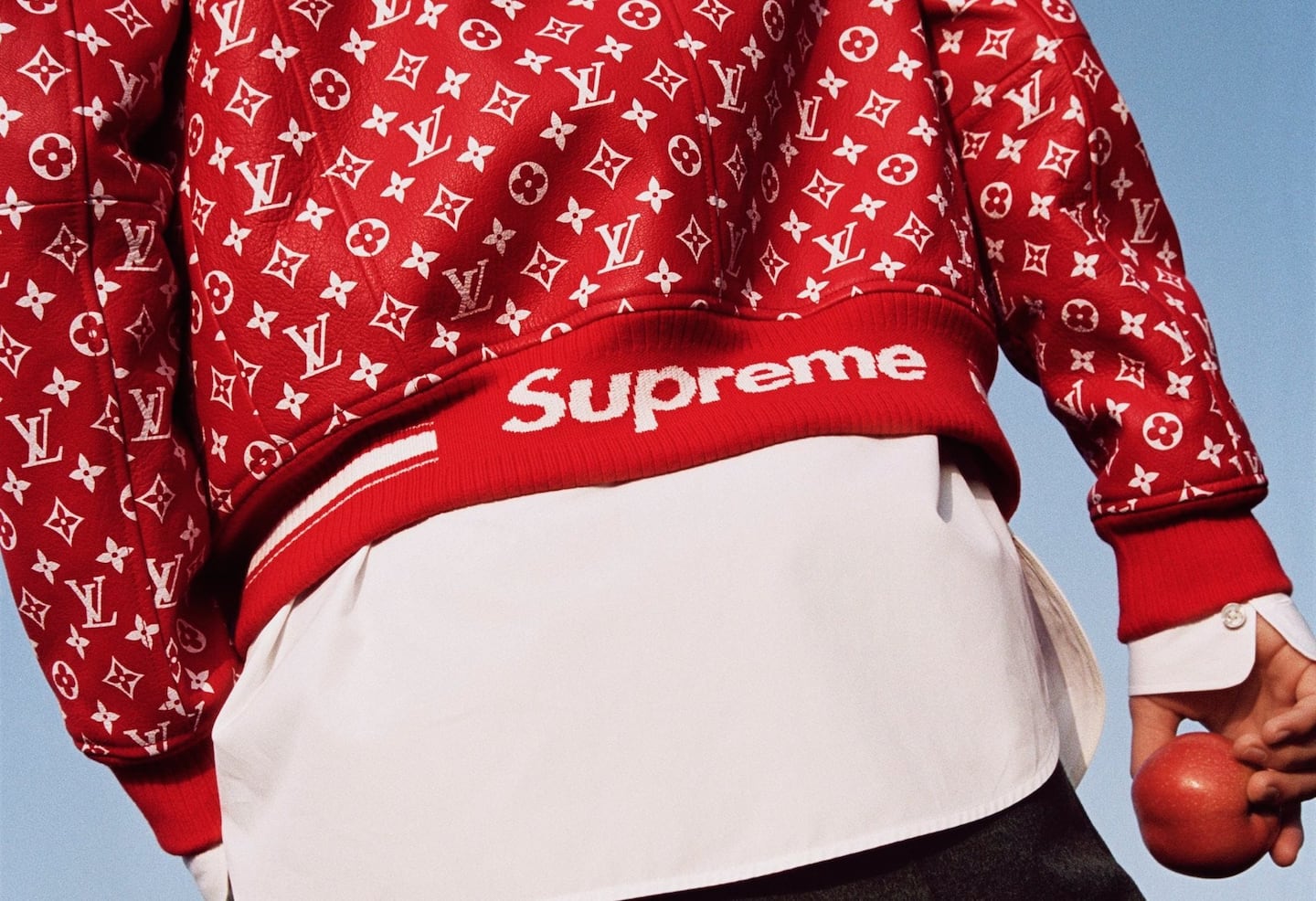
MILAN, Italy — High-end streetwear helped boost global sales of luxury personal goods by 5 percent this year to an estimated €263 billion ($309 billion), according to a new study released Wednesday by consultancy Bain & Company.
After two years of flat growth, Bain said the sector is entering a period of stability, with the same 5 percent growth projections through 2020.
"Customers are becoming younger, and that is very good for the mid- and longer-term survival of this industry, since the younger generation seemed to be a little detached from luxury brands," said Federica Levato, a partner at Bain & Company, ahead of the study's release for the Altagamma association of luxury Italian producers.
Fashion houses have been actively courting Millennials in recent seasons, inviting social media and celebrity influencers to their front rows as part of their communication strategy. But it has taken streetwear to catch the interest of Generation Z born after 1995, including denim, T-shirts, rubber sliders and ironic detailing. Think of it as a Harajuku sensibility — with pastels, emojis and rainbow or unicorn detailing — taking global flight.
ADVERTISEMENT
"There is a big market of €2.5 million for luxury T-shirts, for example, that is growing very fast. And a half-a-billion-euro market for rubber sliders, which is very unusual in this market," Levato said.
While streetwear has proven to bring the next generation of consumers into the luxury fold, it is a double-edged sword.
"Streetwear is a macro-trend in all geographies" that represents a state of mind and transcends generations, Levato said. "We think it is more about how people live their lives and how people like to dress vis-a-vis 10 or 15 years ago, when work wear was more formal."
But it can be easily copied by producers of fast fashion. To counter that, Levato said, luxury brands are putting more emphasis into branding activities including Instagram Stories, creating relationships with influencers and making stores unique in each city to attract both tourists and domestic shoppers.
"Once it was all about beautifying a product. Now product is just one of the many levers you use to maintain and capture your customer," she said.
By Colleen Barry.
Sex sells — if anyone can figure out what sexy means in 2026. Robert Williams tracks the search for a new silhouette at Kering’s Gucci, LVMH’s Dior and more.
Strong growth at Miu Miu helped lift results, but the Italian luxury group said that integrating Versace will weigh on margins in the near term as it begins the turnaround of the struggling brand
After Swatch Group launched an attack on Morgan Stanley’s influential annual watch report, Swatch-owned Tissot cracks open the door for a glimpse at some numbers and Robin Swithinbank says it’s time a secretive industry came clean on financials.
Half a year after Giorgio Armani’s death, it appears to be business as usual at the sprawling fashion empire while potential investors continue to circle with no firm bid in sight.
Stick with the program or switch it up? Angelo Flaccavento reports on Chloé, Rabanne, Schiaparelli, Rick Owens and Uma Wang.
The brands Gap and Banana Republic beat comparable sales estimates.
Sex sells — if anyone can figure out what sexy means in 2026. Robert Williams tracks the search for a new silhouette at Kering’s Gucci, LVMH’s Dior and more.
Christine Hunsicker admitted she falsified financial statements to promote CaaStle Inc. as a valuable, growing business when in reality it was struggling.


