
Agenda-setting intelligence, analysis and advice for the global fashion community.
Agenda-setting intelligence, analysis and advice for the global fashion community.

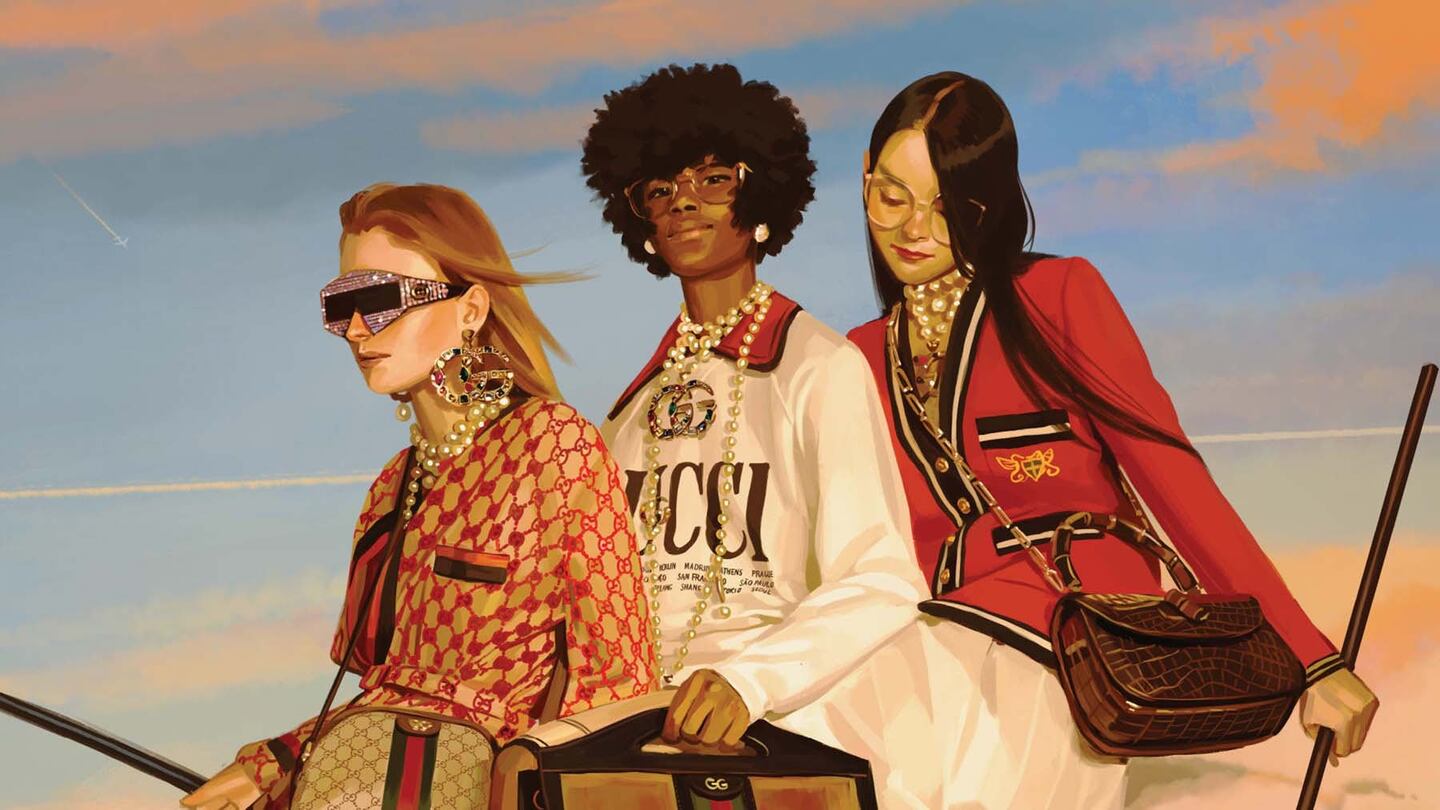
PARIS, France — Kering posted higher operating profits in the first half of the year, as resilient sales in China boosted its biggest earnings driver Gucci plus other fashion labels the group is looking to develop like Balenciaga.
Luxury companies have ridden a surge in Chinese demand in the past three years, jostling for attention from young shoppers with new designs and catchy digital campaigns.
A US-China trade dispute that rattled stocks and the yuan has fuelled fears Chinese demand might now take a hit, though luxury groups have so far said such concerns were unfounded.
"At this stage we've not seen any slowdown in demand from Chinese clients," Kering financial director Jean-Marc Duplaix told reporters, adding that the uncertainty had not hit footfall in stores but that the group would remain "very vigilant."
ADVERTISEMENT
Gucci, which is booming after a flamboyant design makeover, showed it still had momentum, as margins hit a record high of 38.2 percent at end-June, just shy of a mid-term goal of at least 40 percent.
The brand is vying to overtake rivals like Chanel or LVMH's Louis Vuitton by revenue in the coming years, by boosting online sales and launching more beauty products.
In the second quarter alone, like-for-like sales, which exclude currency swings and acquisitions, rose 40.1 percent at the Florence-based label — slower than the nearly 49 percent in the first quarter but higher than most rivals. North American sales did particularly well, the group said.
Across Kering as a whole, recurring operating income for the first half of the year rose 53 percent year-on-year to 1.77 billion euros ($2.06 billion), topping analyst forecasts.
The Paris-based conglomerate — a rival to larger LVMH, owner of Christian Dior and Krug champagne — is doubling down on its core luxury brands, after spinning out German sportswear label Puma to its shareholders earlier this year.
It is also parting ways with smaller labels like Britain's Stella McCartney and Christopher Kane.
Instead, as peers also try to keep buyers hooked with a constant stream of fresh products, efforts are being ploughed into brands with big potential like Balenciaga, which has drawn a following with its luxury sneakers and edgy designs.
Kering is also trying to revamp Italian handbag maker Bottega Veneta, which posted a worse-than-expected 2.3 percent fall in comparable sales in the second quarter. In July, Daniel Lee, who previously worked at LVMH brand Céline, replaced veteran Tomas Maier as the creative chief.
By Sarah White and Sudip Kar-Gupta; Editor: Leigh Thomas.
Sex sells — if anyone can figure out what sexy means in 2026. Robert Williams tracks the search for a new silhouette at Kering’s Gucci, LVMH’s Dior and more.
Strong growth at Miu Miu helped lift results, but the Italian luxury group said that integrating Versace will weigh on margins in the near term as it begins the turnaround of the struggling brand
After Swatch Group launched an attack on Morgan Stanley’s influential annual watch report, Swatch-owned Tissot cracks open the door for a glimpse at some numbers and Robin Swithinbank says it’s time a secretive industry came clean on financials.
Half a year after Giorgio Armani’s death, it appears to be business as usual at the sprawling fashion empire while potential investors continue to circle with no firm bid in sight.
The activewear giant seems intent on turning its nearly 40-year-old niche outdoor fashion brand into a mainstream success. The plan hinges on convincing backpackers and athletes its rugged technical gear can perform just as well as The North Face or Arc’teryx.
It’s not an existential crisis — yet — but Rick Owens and Daniel Roseberry confront some headscratchers in their latest collections.
Stick with the program or switch it up? Angelo Flaccavento reports on Chloé, Rabanne, Schiaparelli, Rick Owens and Uma Wang.
The brands Gap and Banana Republic beat comparable sales estimates.


