Agenda-setting intelligence, analysis and advice for the global fashion community.
Agenda-setting intelligence, analysis and advice for the global fashion community.

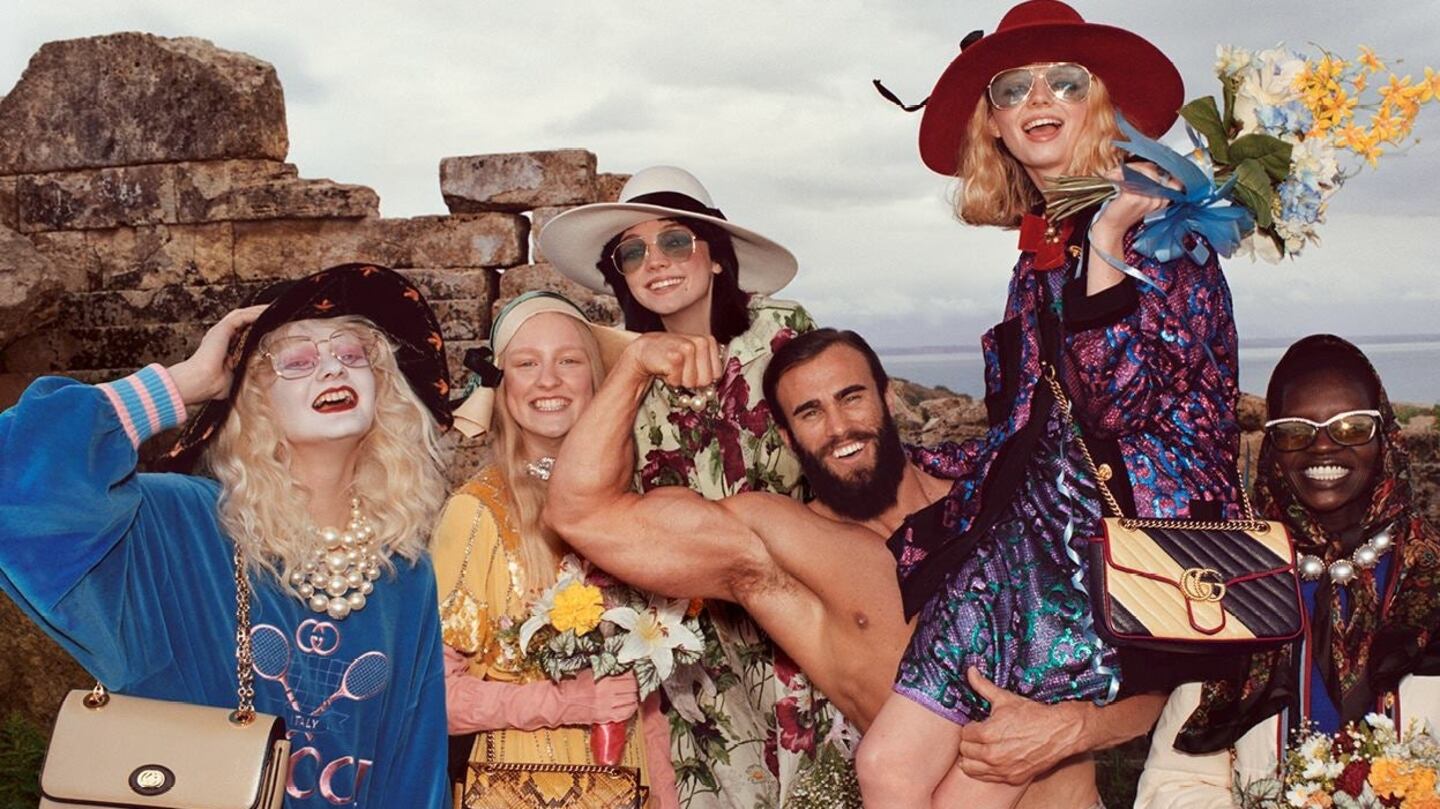
PARIS — Kering, owner of brands including Gucci, will tighten its grip on its e-commerce operations, focusing on its own branded sites to sell its luxury products or ventures where it can control its image and client data.
After shifting into online shopping later than more accessible fashion labels, many luxury groups are now investing heavily in e-commerce while working on ways of retaining as much control of distribution and pricing as possible — two elements that help them maintain their aura of exclusivity.
Kering had already said it would wrest back control of web operations for brands such as Balenciaga and Alexander McQueen which had been developed by Yoox Net-a-Porter (YNAP) — now fully owned by the group's rival Richemont.
That joint venture with YNAP will now end in the second quarter of next year, Kering's digital officer Gregory Boutte explained on the sidelines of a group investor day on Friday.
ADVERTISEMENT
Each time we move from wholesale to a concession we see our top line increase in a material way.
Seeking to boost sales and margins, the company is also looking to turn more of its collaborations with third-party, multi-brand retailers such as Farfetch or Matchesfashion.com into what it calls online concessions, where it controls everything from the product assortment to their presentation.
"Each time we move from wholesale to a concession we see our top line increase in a material way," Boutte said.
Kering was "not against wholesale," and did not plan to end its relationships with third parties altogether, Boutte added.
Kering, whose rivals are also investing in e-commerce including Louis Vuitton owner LVMH, did not disclose how much it was spending on expanding these operations. Its digital team has grown from four people in 2017 to over 80 people now.
Boutte said Kering might be open to joining a blockchain technology platform which LVMH is developing to help track supplies chains and authenticate products in an industry that often has to grapple with counterfeit goods.
Kering's total online sales — when including the business done through third party platforms, calculated at retail and not at lower wholesale prices — came to 9.4 percent of the group's 2018 revenue, it disclosed on Friday.
Web sales through its own brand websites and online concessions made up 4.7 percent of revenue, it added.
Across the luxury goods industry as a whole, e-commerce accounts for around 10 percent of business today and should reach 25 percent of sales by 2025, consultancy Bain estimates.
By Sarah White and Pascale Denis; editor: Keith Weir.
Sex sells — if anyone can figure out what sexy means in 2026. Robert Williams tracks the search for a new silhouette at Kering’s Gucci, LVMH’s Dior and more.
Strong growth at Miu Miu helped lift results, but the Italian luxury group said that integrating Versace will weigh on margins in the near term as it begins the turnaround of the struggling brand
After Swatch Group launched an attack on Morgan Stanley’s influential annual watch report, Swatch-owned Tissot cracks open the door for a glimpse at some numbers and Robin Swithinbank says it’s time a secretive industry came clean on financials.
Half a year after Giorgio Armani’s death, it appears to be business as usual at the sprawling fashion empire while potential investors continue to circle with no firm bid in sight.
Stick with the program or switch it up? Angelo Flaccavento reports on Chloé, Rabanne, Schiaparelli, Rick Owens and Uma Wang.
The brands Gap and Banana Republic beat comparable sales estimates.
Sex sells — if anyone can figure out what sexy means in 2026. Robert Williams tracks the search for a new silhouette at Kering’s Gucci, LVMH’s Dior and more.
Christine Hunsicker admitted she falsified financial statements to promote CaaStle Inc. as a valuable, growing business when in reality it was struggling.


