
Agenda-setting intelligence, analysis and advice for the global fashion community.
Agenda-setting intelligence, analysis and advice for the global fashion community.

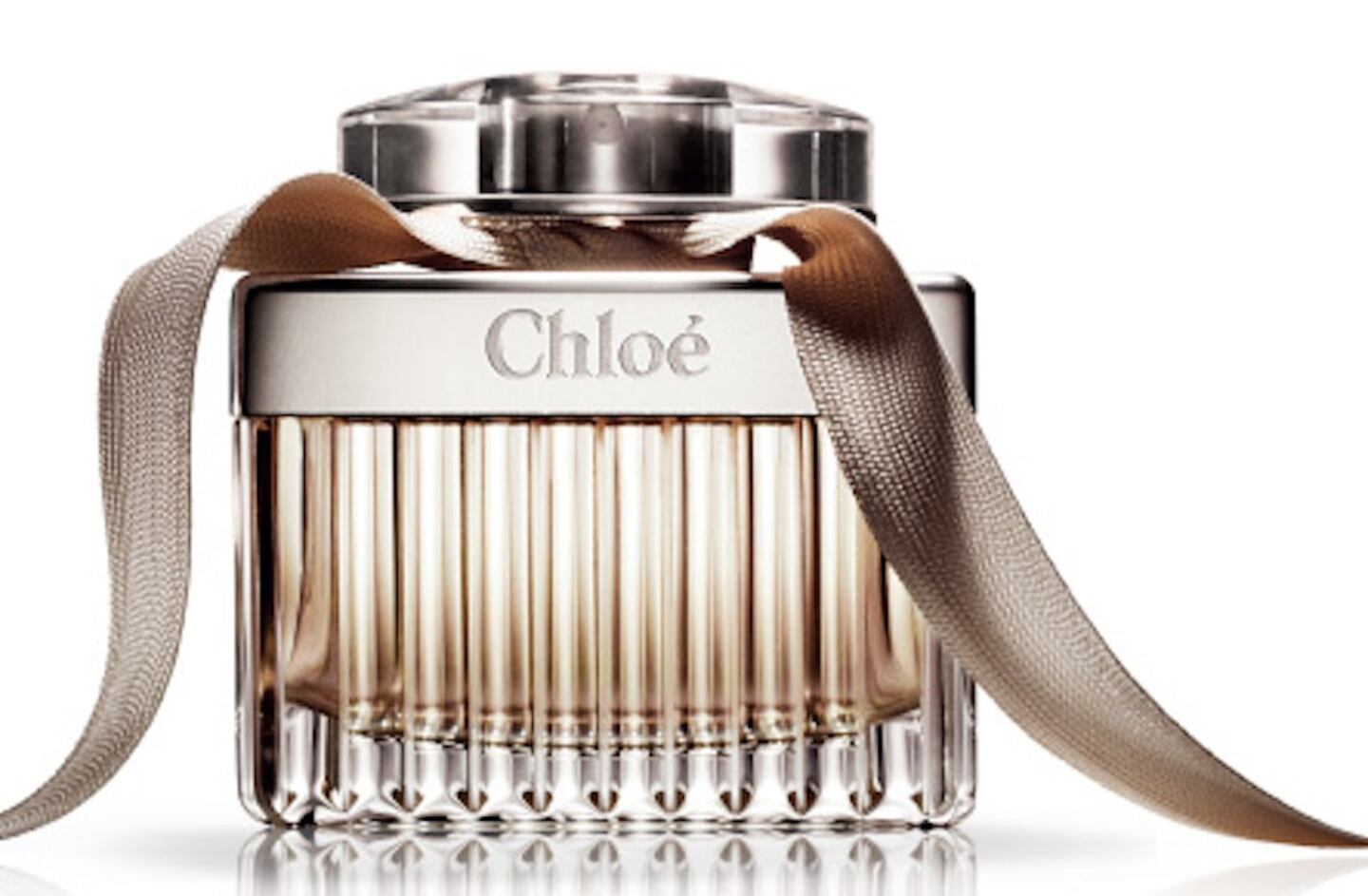
BRUSSELS, Belgium — Europe's top court will begin a landmark case on Thursday which could determine whether luxury goods companies can stop retailers from selling their products via marketplaces such as Amazon or eBay.
Owners of luxury brands have been fighting with online retailers for the last decade, arguing that they should have the right to choose who distributes their products to protect their luxury image and exclusivity.
Online platforms dispute this, saying that such restrictive distribution deals are anti-competitive and hurt consumers.
The dispute is in the spotlight now because of the European Commission's push for more cross-border online sales to boost growth and jobs, and catch up with the United States and Asia.
ADVERTISEMENT
The case before the Luxembourg-based Court of Justice of the European Union (ECJ) concerns German company Coty, a subsidiary of US beauty products maker Coty Inc, which wants to stop a retailer from selling its goods on online marketplaces such as Amazon.
Coty says this breaches its agreement with the retailer which prohibits the sale of its products via third parties. The case originally went to a court in Germany which subsequently asked the ECJ for guidance.
The EU court's ruling will be crucial because more and more companies, and not just luxury brands, are seeking to curb sales of their products online, Thomas Graf, a partner at law firm Cleary Gottlieb, said.
"The case may matter for some products, like luxury products, more. But it has general implications because it deals with the conditions that suppliers can define for selling via online channels, such as marketplaces," Graf said.
"Several of the cases that have come up in Germany for example involved school bags."
Lobby group Computer & Communications Industry Association (CCIA), whose members include Amazon, eBay, Facebook, Google, Rakuten and Yahoo, agreed that the problem was a broader one than just luxury good companies protecting their turf.
"We do not consider this to be a 'fight' with or against luxury brands," CCIA director Jakob Kucharczyk, said.
"This issue is far more relevant because online marketplace bans are imposed with respect to a range of day-to-day, mass market products which makes them anti-competitive and unjustifiable. That's the real problem, not a handful of high-end luxury brands that don't use outside distributors," he said, without giving any examples.
ADVERTISEMENT
A court adviser is expected to give a non-binding recommendation in about six months, followed by the court judgment a few months later.
The case is C-230 Coty Germany.

Strong growth at Miu Miu helped lift results, but the Italian luxury group said that integrating Versace will weigh on margins in the near term as it begins the turnaround of the struggling brand
After Swatch Group launched an attack on Morgan Stanley’s influential annual watch report, Swatch-owned Tissot cracks open the door for a glimpse at some numbers and Robin Swithinbank says it’s time a secretive industry came clean on financials.
Half a year after Giorgio Armani’s death, it appears to be business as usual at the sprawling fashion empire while potential investors continue to circle with no firm bid in sight.
Kering, LVMH and OTB all have significant skin in the game this Milan Fashion Week with new designer runway debuts at storied Italian brands.
Christine Hunsicker admitted she falsified financial statements to promote CaaStle Inc. as a valuable, growing business when in reality it was struggling.
The American cosmetic giant’s buyout of Ayurvedic beauty line Forest Essentials came as a surprise. By picking an under-the-radar brand it knows well, the company can show that it’s still in the M&A game without needing to outbid rivals.
The underwear company is anticipating net sales of at least $6.85 billion in the current fiscal year, exceeding analyst estimates and marking the highest revenue since its split from L Brands Inc in 2021.
The Japanese brand is accelerating its expansion in India to capture a greater share of the rapidly growing apparel market and affluent consumer base.


