Agenda-setting intelligence, analysis and advice for the global fashion community.
Agenda-setting intelligence, analysis and advice for the global fashion community.

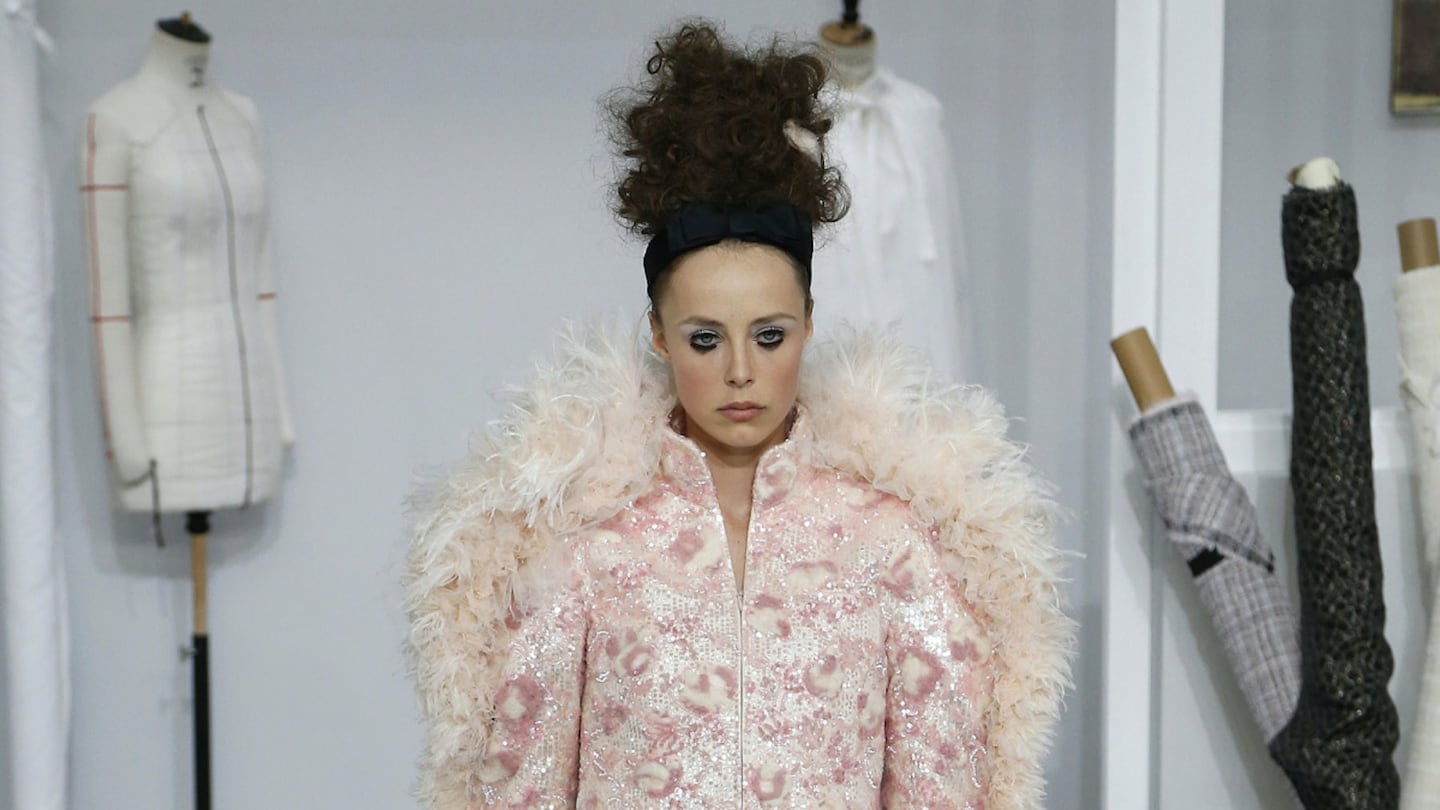
PARIS, France — French luxury goods maker Chanel has created a silks production unit by investing in high-end specialists, it said on Friday after completing the third deal in four months aimed at strengthening its supply chain.
Chanel said the four companies, in the Loire region, were long-standing suppliers involved in every step of silk production from yarn making to weaving and printing.
"Through these investments, Chanel is reaffirming its commitment to the long-term sustainability of a high-quality segment and to ensuring the longevity of the silk weaving industry in France," Bruno Pavlovsky, President of Chanel Fashion said a in a statement.
Chanel plans major investment in the four companies to boost their production capacity and modernize their manufacturing tools, Pavlovsky added.
ADVERTISEMENT
Three of them carry the government-sponsored label Entreprise du Patrimoine Vivant, reserved for companies delivering traditional, high-end artisan work.
In recent years, every major luxury group including Hermes, Kering, Richemont and LVMH has been snapping up suppliers, from tanneries to flower growers, securing access to high quality raw materials in competition that grows more fierce every year.
Many acquisitions have involved small suppliers struggling to cover high production costs with artisan production volumes.
Relentless vertical integration has made life difficult for smaller labels such as shoe maker Pierre Hardy and Lanvin, France's oldest fashion brand, which have to fight to access key suppliers.
Hermes acquired a minority stake this month in Pierre Hardy, whose designer has been creating shoes for Hermes since 1990 and jewelry since 2001.
Hermes is France's biggest high-end and fully integrated silk manufacturer, concentrated around the Lyon region, employing more than 800 people.
Silk making, once mainly the preserve in Europe of Sicily, started in earnest in 16th century France under King Henry IV, who ordered the plantation of thousands of mulberries in Provence and Languedoc for the production of silk worms.
Chanel, which has been buying up specialists such as feather providers, milliners and boot-makers for more than a decade, has made significant investments in cashmere production and leather goods manufacturing.
ADVERTISEMENT
Last week, it took a majority stake in the family-run Richard Tannery, a provider of lambskins for the brand's small leather goods. The company came from the Millau region, where Chanel acquired the Bodin-Joyeux tannery in 2013 and the glove-maker Causse a year earlier.
In April, Chanel bought a minority stake in 129-year-old tulle and lace supplier Sophie Hallette near Calais, France's lace capital. The lace industry has been hit hard by a sharp drop in lingerie demand from major markets such as Russia.
Chanel is the world's second largest luxury brand behind Louis Vuitton. It is estimated to generate just under 7 billion euros ($8 billion) in annual sales. The company, controlled by secretive billionaires Alain and Gerard Wertheimer, never publishes figures or financial details of its acquisitions.
By Astrid Wendlandt; editor: Ruth Pitchford.
After Swatch Group launched an attack on Morgan Stanley’s influential annual watch report, Swatch-owned Tissot cracks open the door for a glimpse at some numbers and Robin Swithinbank says it’s time a secretive industry came clean on financials.
Half a year after Giorgio Armani’s death, it appears to be business as usual at the sprawling fashion empire while potential investors continue to circle with no firm bid in sight.
Kering, LVMH and OTB all have significant skin in the game this Milan Fashion Week with new designer runway debuts at storied Italian brands.
How designer Erdem Moralioğlu’s label has outlived peers, surviving Brexit and the bankruptcies of Barneys, Matches and Saks with a consistent and soulful signature rooted in a fascination with the feminine, the tension between control and ‘undone-ness’ and an obsession with beauty.
Activist fund Oasis Management Co. is calling on the Japanese personal care company to convene an extraordinary general meeting, seeking a probe into its supply-chain risk management and internal control.
The retailer surpassed annual sales forecasts but expects a $60 million drag from import tariffs in the first half of 2026.
The luxury Ayurvedic skincare line will be the first deal by the conglomerate under the leadership of Stéphane de La Faverie.
By introducing a new version of her Magic Cream, Tilbury joins a number of other brands, from Armani and Olaplex, wading into the tricky waters of reformulation.


