
Agenda-setting intelligence, analysis and advice for the global fashion community.
Agenda-setting intelligence, analysis and advice for the global fashion community.

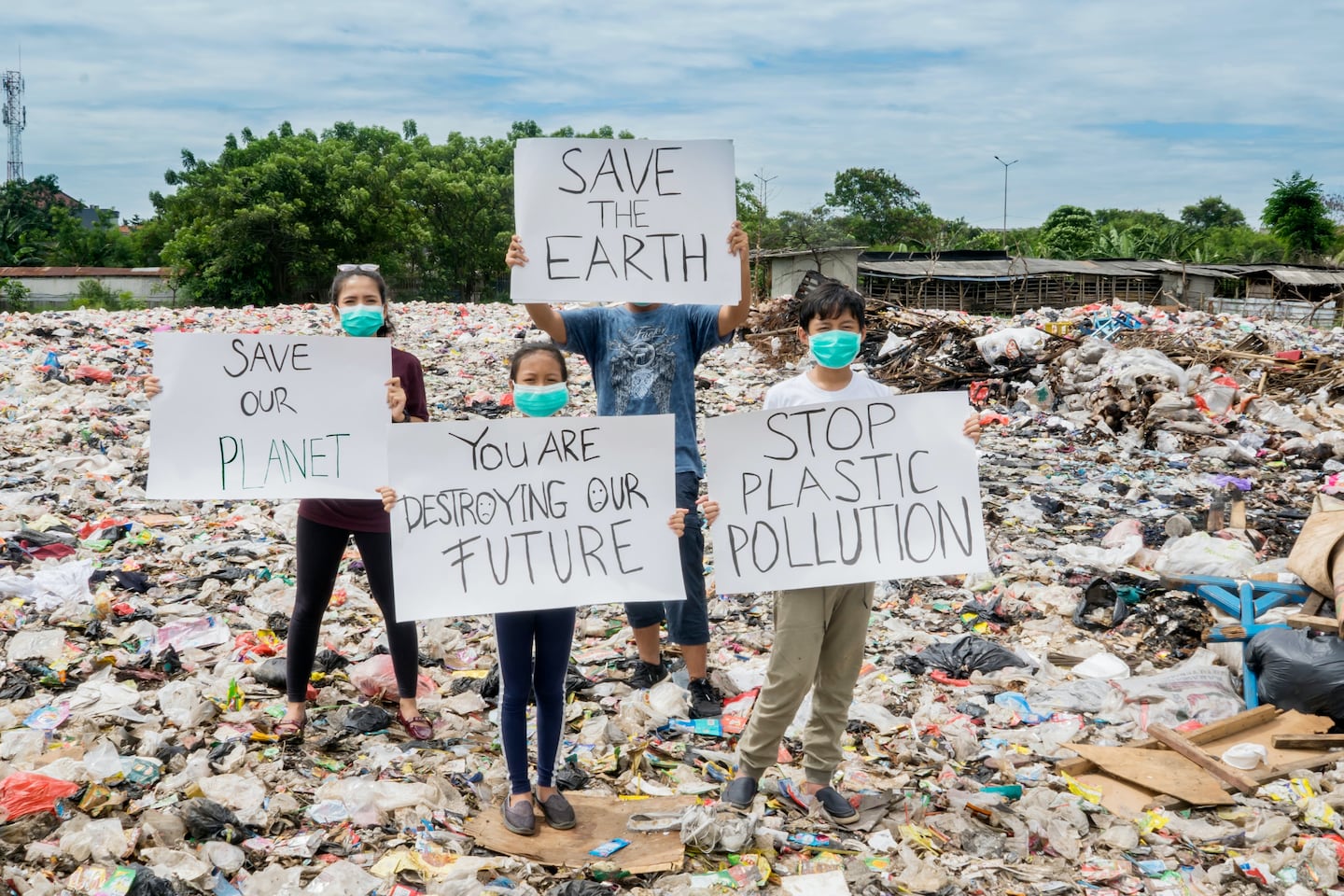
JAKARTA, Indonesia — The capital of Indonesia, a country listed as the second worst offender for polluting the world's oceans with plastic, will ban single-use plastic bags from its street markets and shopping malls from the middle of this year.
Jakarta Governor Anies Baswedan signed the regulation, seen by Reuters, on December 27, following the steps taken by the Indonesian holiday island of Bali, which enforced a ban last year in despair over the trash washed up on its beaches.
Nowhere, apart from China, according to a Science journal report in 2015, dumps more plastic waste in the sea than Indonesia, an archipelago nation of 260 million people.
Unable to cope with the amount of solid waste generated by a metropolitan area that is home to 30 million people, Jakarta's environmental agency says the city's landfills are near capacity, according to media reports.
ADVERTISEMENT
The new regulation stipulates that shopkeepers and stallholders should provide environmentally-friendly carrier bags in future and the penalties for violations would range from written warnings, to fines of anywhere between $360 and $1,800, and finally suspension or termination of trading permits.
The forms of plastic banned in the regulation include latex, thermoplastic and polyethylene.
Tutum Rahanta, who represents an association of shopping centre tenants, said the government has failed to think through the alternatives.
"Consumers should not be sacrificed," Rahanta said. "The government wanted to [ban plastic bags], but when we asked them what the alternative would be, they never thought about that."
Ardiansyah Rizza, 34, a souvenir vendor in an East Jakarta modern market, said people accepted change was needed, but complained that six months was not long enough to make the move over to shopping without plastic bags.
"The period between January to June is too short," he said.
By Tabita Diela and Stanley Widianto with additional reporting by Ajeng Dinar Ulfiana; editors: Gayatri Suroyo and Simon Cameron-Moore.
The escalating US-Israel conflict with Iran is rattling the aura of stability created by Dubai and the wider region, threatening one of the industry’s few bright spots.
Escalating conflict in the Middle East is causing major disruption and store closures for high-end and mass-market retailers, threatening a key growth engine for the global luxury industry.
This week’s round-up of global markets fashion business news also features Sri Lankan apparel manufacturers, Vietnam’s textile exporters and Korean brands in China.
Regional business activity has been disrupted after Iran launched strikes across Gulf nations in response to the US-Israeli assault on Tehran, triggering airport closures or restrictions in Dubai, Abu Dhabi and Doha.
The American cosmetic giant’s buyout of Ayurvedic beauty line Forest Essentials came as a surprise. By picking an under-the-radar brand it knows well, the company can show that it’s still in the M&A game without needing to outbid rivals.
The underwear company is anticipating net sales of at least $6.85 billion in the current fiscal year, exceeding analyst estimates and marking the highest revenue since its split from L Brands Inc in 2021.
The Japanese brand is accelerating its expansion in India to capture a greater share of the rapidly growing apparel market and affluent consumer base.
Strong growth at Miu Miu helped lift results, but the Italian luxury group said that integrating Versace will weigh on margins in the near term as it begins the turnaround of the struggling brand


