
Agenda-setting intelligence, analysis and advice for the global fashion community.
Agenda-setting intelligence, analysis and advice for the global fashion community.

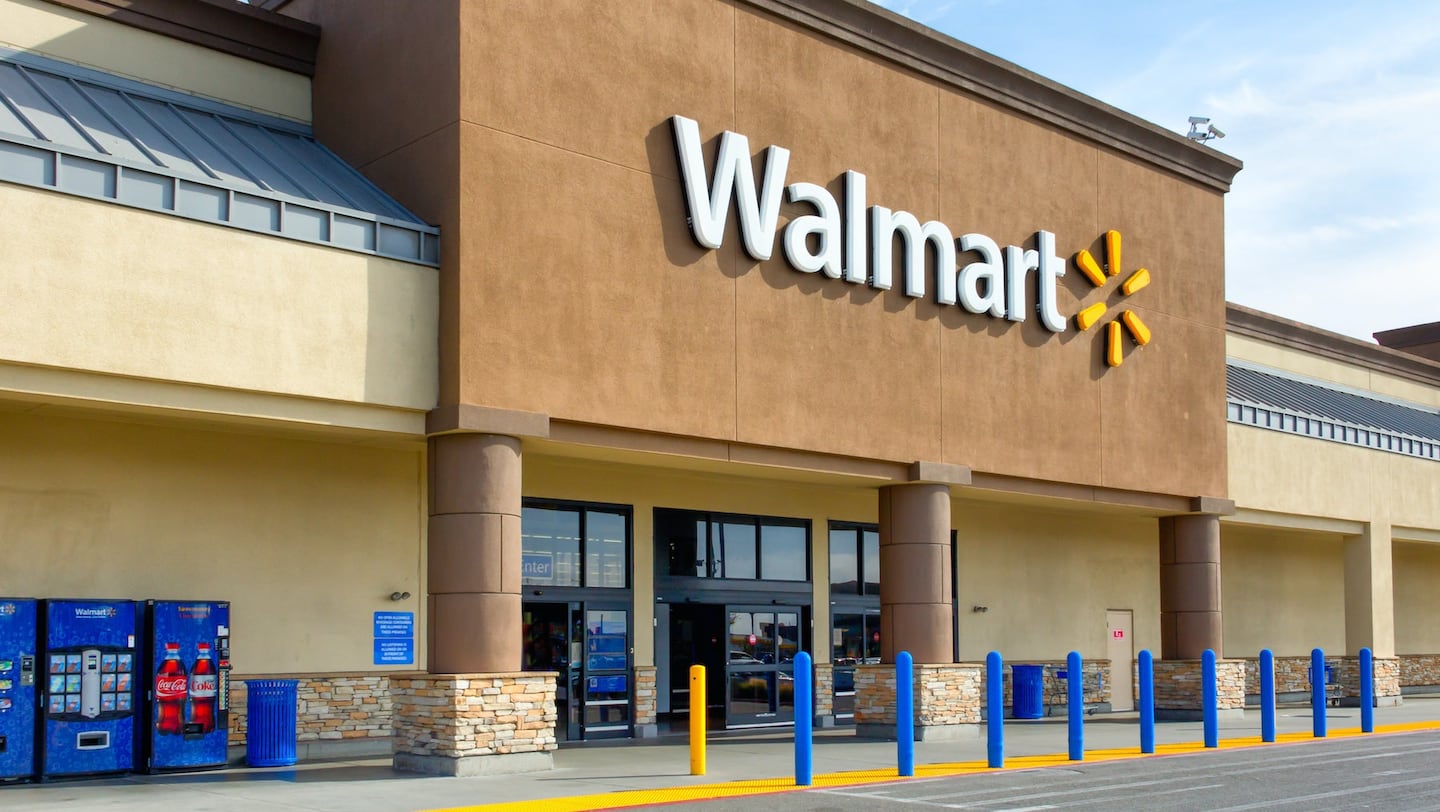
SAO PAULO, Brazil — Walmart Inc said on Monday that private equity firm Advent International will pick up an 80 percent stake in Walmart Brazil and the retailer will retain the remaining 20 percent, without disclosing the value of the transaction.
As a result of the deal, Walmart expects to record a non-cash net loss of approximately $4.5 billion as a special item in the second quarter.
The retailer has been reshaping its international business with a focus on investing in growth markets like China and India. It recently sold a majority stake in its UK arm ASDA to J Sainsbury Plc and paid $16 billion to pick up a majority stake in Indian e-commerce firm Flipkart.
Walmart had been looking for buyers for its Brazlian business. Reuters had reported in January that Walmart was shopping its Brazilian unit to private equity firms Advent and others.
ADVERTISEMENT
In March, Reuters reported that, in the due diligence process, potential buyers had estimated that Walmart owes up to $3 billion in back taxes to state governments in Brazil, potentially adding to pressure for a discount sale.
Walmart entered Brazil in 1995 and had grown into the country's third-largest retailer following two major acquisitions in 2004 and 2005 and a period of rapid store expansion that came to a halt in 2013.
It currently operates 471 stores in Brazil, according to the company's local website. The retailer's Brazilian unit reported revenues of almost 30 billion reais ($9.4 billion) in 2016.
Walmart has posted operating losses in Brazil for seven years in a row after an aggressive, decade-long expansion left it with poor locations, inefficient operations, labor troubles and uncompetitive prices.
One of the people with knowledge of the deal said Walmart's operations in Brazil had not improved over the last two years, which coincided with the country's harshest recession in decades. The transaction is subject to regulatory approval, and the retailer expects it to close later this year.
A significant portion of the expected net loss will be due to foreign currency translation losses, and the final loss could fluctuate significantly due to changes in currency exchange rates up to the date of close, the retailer said.
By Nandita Bose and Gram Slattery; editor: Jonathan Oatis.
The Supreme Court did not say how the collected tariffs should be refunded when it struck Trump’s economic policy down as unconstitutional last month, leaving small importers worried the process would be expensive and time-consuming.
Escalating conflict in the Middle East is exposing how quickly geopolitics can disrupt even luxury’s most carefully cultivated retail hubs.
The escalating US-Israel conflict with Iran is rattling the aura of stability created by Dubai and the wider region, threatening one of the industry’s few bright spots.
Escalating conflict in the Middle East is causing major disruption and store closures for high-end and mass-market retailers, threatening a key growth engine for the global luxury industry.
From Loewe to Yohji Yamamoto, the fifth day of Paris fashion week featured recently installed designers rolling out fresh identities and unbeatable masters being themselves.
The Supreme Court did not say how the collected tariffs should be refunded when it struck Trump’s economic policy down as unconstitutional last month, leaving small importers worried the process would be expensive and time-consuming.
Escalating conflict in the Middle East is exposing how quickly geopolitics can disrupt even luxury’s most carefully cultivated retail hubs.
In a document filed with the Securities and Exchange Commission, the company’s management has approved a plan for organisational changes expected to cost the brand nearly $300 million. One analyst posited the target could be its struggling subsidiary.


