Agenda-setting intelligence, analysis and advice for the global fashion community.
Agenda-setting intelligence, analysis and advice for the global fashion community.

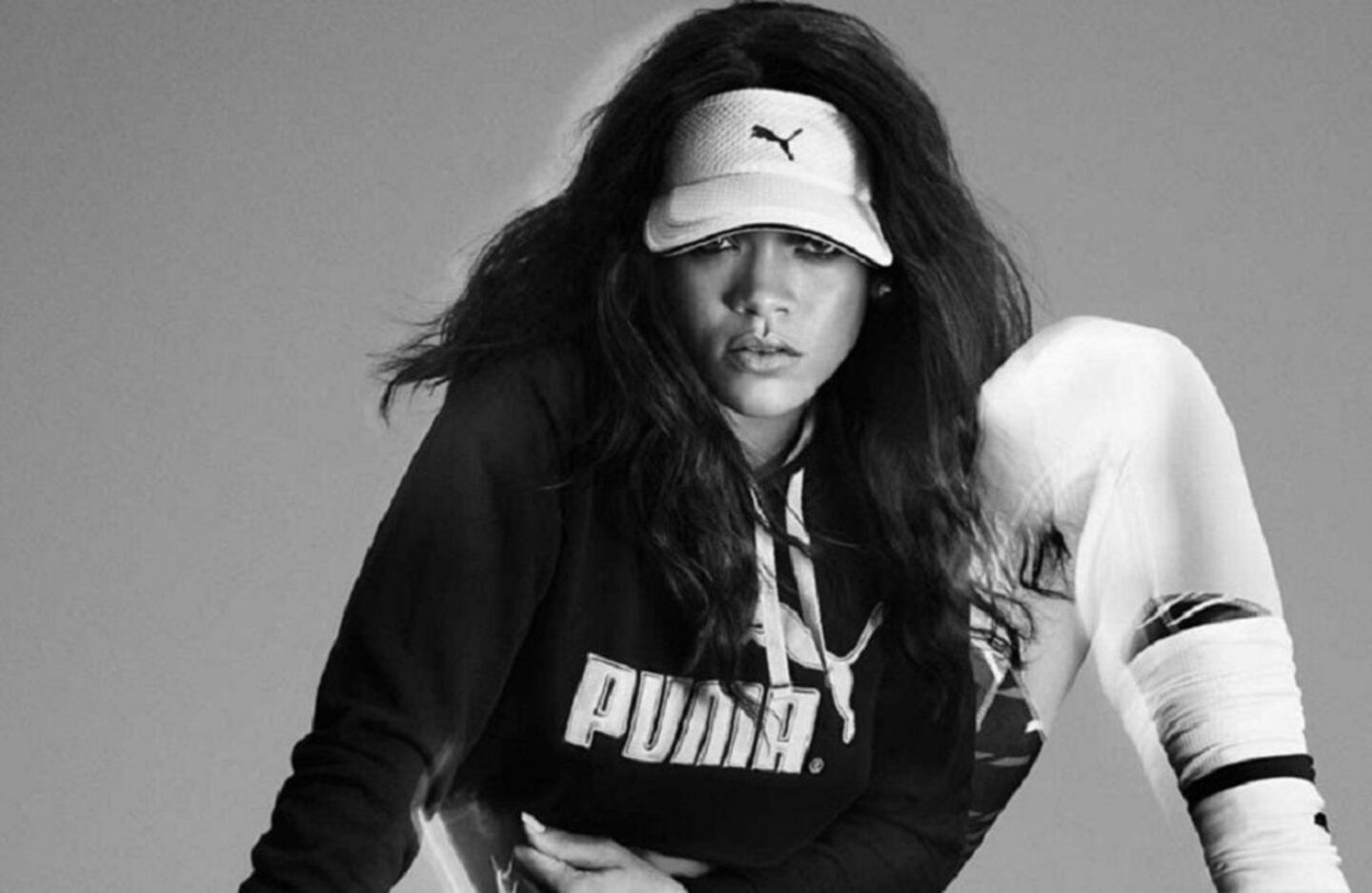
HERZOGENAURACH, Germany — Puma SE said operating profit in 2017 will rise at least as fast as last year, when three big global sports events and better sales of women's wear helped the measure jump by a third.
Earnings before interest and taxes will climb to between €170 million ($182 million) and €190 million, Puma said in a statement Thursday. The company also reported sales and earnings for 2016 that beat analyst estimates, and boosted its dividend by 50 percent.
Chief executive officer Bjoern Gulden is in the fourth year of a turnaround effort, balancing sportswear and street styles with the help of endorsements from celebrities including sprinter Usain Bolt and singer Rihanna. Puma's performance is in contrast with rival Under Armour Inc., which last month forecast sales growth below expectations, sending the shares down the most in nine years and seeing its credit rating cut to junk at S&P Global Ratings.
“We feel we have some momentum and it finally shows in our numbers,” Gulden told a press conference at the company’s Herzogenaurach, Germany, headquarters. “With customers lining up outside of stores to buy our products, that’s the kind of brand you want to have.”
ADVERTISEMENT
The shares rose 1.2 percent to €278 at 10:08 am in Frankfurt trading. The stock has gained 65 percent in the past 12 months, leading that of majority shareholder Kering SA, which advanced 49 percent.
Puma’s crosstown rival Adidas AG, in the midst of its own resurgence, plans to report fourth-quarter earnings on March 8.
Highlights of Puma’s results included:
By Richard Weiss; editors: Chris Reiter, Paul Jarvis and Eric Pfanner.
Nikhil Thukral, managing partner at the LVMH-affiliated private equity fund, talks about the ingredients of winning companies, the dynamics challenging fashion's incumbents and how economic shifts are shaping investor strategies in the BoF-McKinsey State of Fashion 2025.
The fast fashion giant is reportedly close to filing to go public in London, but faces doubts about its business and the political environment.
In 2020, like many companies, the $50 billion yoga apparel brand created a new department to improve internal diversity and inclusion, and to create a more equitable playing field for minorities. In interviews with BoF, 14 current and former employees said things only got worse.
For fashion’s private market investors, deal-making may provide less-than-ideal returns and raise questions about the long-term value creation opportunities across parts of the fashion industry, reports The State of Fashion 2024.
Christine Hunsicker admitted she falsified financial statements to promote CaaStle Inc. as a valuable, growing business when in reality it was struggling.
The American cosmetic giant’s buyout of Ayurvedic beauty line Forest Essentials came as a surprise. By picking an under-the-radar brand it knows well, the company can show that it’s still in the M&A game without needing to outbid rivals.
The underwear company is anticipating net sales of at least $6.85 billion in the current fiscal year, exceeding analyst estimates and marking the highest revenue since its split from L Brands Inc in 2021.
The Japanese brand is accelerating its expansion in India to capture a greater share of the rapidly growing apparel market and affluent consumer base.