Agenda-setting intelligence, analysis and advice for the global fashion community.
Agenda-setting intelligence, analysis and advice for the global fashion community.

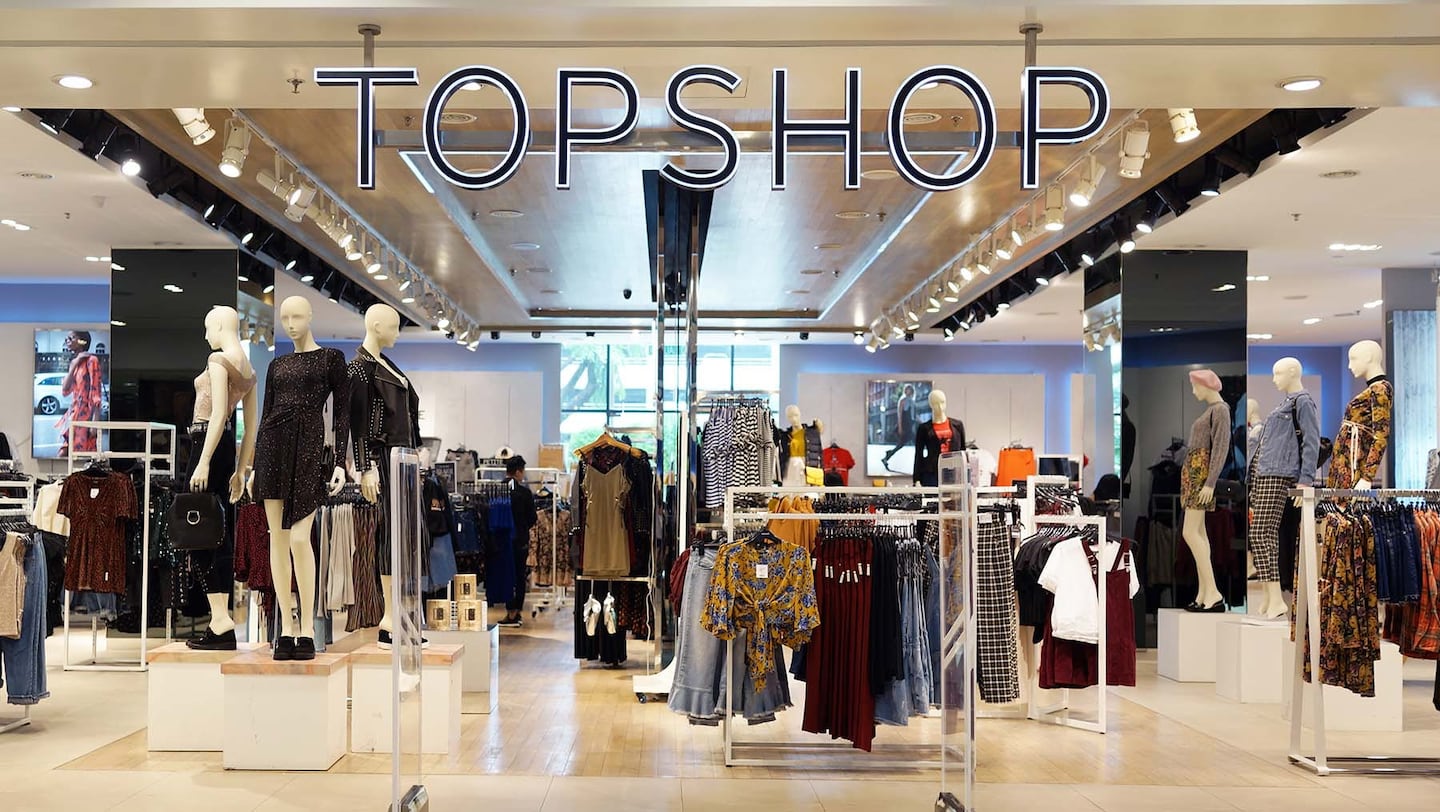
MANILA, Philippines — Billionaire John Gokongwei's Robinsons Retail Holdings Inc. is considering an exit from the fashion business as it struggles to compete with cheaper, faster chains like Fast Retailing Co.'s Uniqlo.
The Filipino retail giant, whose fashion portfolio includes the Topshop and Dorothy Perkins brands, instead sees better returns from pet, health and beauty products where demand is growing, said Chief Executive Officer Robina Gokongwei-Pe in an interview.
“We are shrinking fashion, for it has become very difficult,” Gokongwei-Pe said. “There are other brands that came in who are more progressive and cheaper. We are already reducing the number of stores and we have to think if we move out altogether.”
The Manila-based company is relooking its business as it faces shrinking operating margins and growing competition in the low-cost space. It’s pivoting into wooing higher-spending consumers by entering into the premium grocery market, as well as expanding foreign franchises in beauty products and pet care, hoping to achieve 15 percent revenue growth annually for the next five years.
ADVERTISEMENT
“Pets have become very big,” said Gokongwei-Pe. “Dogs now are very spoiled. Just look at Instagram and Facebook, it’s all about dogs. You should put money where the money is, which is food, drugstores, hardware, and growing businesses like pets and beauty.”
Robinsons Retail’s fashion portfolio has contracted to six brands and 40 stores at end-2018 from nine brands with 60 stores in 2014. Fashion is among the company’s specialty shops, which were cut to 341 in March from 387 at end-2018.
The company in December bought the local franchise for South Korean personal care and beauty products retailer Arcova and Club Clio, adding to 15 stand-alone stores selling Elizabeth Arden, Shiseido and Benefit Cosmetics. It also procured the license for Singapore’s Pet Lovers Centre in October and plans to open a second outlet as early as this year.
Under a five-year plan targeting mid-to-high teen revenue growth, Robinsons Retail will spend between three billion pesos ($59 million) and five billion pesos to add 100 to 150 stores a year, according to Gokongwei-Pe. The retailer has 1,911 stores in various formats, excluding 1,960 outlets of its The Generics Pharmacy.
Revenue contribution from supermarkets will rise to 55 percent this year from 47 percent in 2018 after its acquisition of former rival Rustan Supercenters, whose 36 supermarkets cater to affluent shoppers. Robinsons Retail’s own 160 supermarkets cater mainly to mainstream consumers.
The acquisition and other new stores will improve gross profit margin by 10 to 20 basis points this year, said Gokongwei-Pe.
Operating margin, which fell below 5 percent in 2018, will shrink further due to write-offs related to the Rustan purchase. It will “definitely” improve in 2020, when the integration is completed, she said.
Other highlights:
By Ian Sayson and Cecilia Yap; editor: Rachel Chang.
Nikhil Thukral, managing partner at the LVMH-affiliated private equity fund, talks about the ingredients of winning companies, the dynamics challenging fashion's incumbents and how economic shifts are shaping investor strategies in the BoF-McKinsey State of Fashion 2025.
The fast fashion giant is reportedly close to filing to go public in London, but faces doubts about its business and the political environment.
In 2020, like many companies, the $50 billion yoga apparel brand created a new department to improve internal diversity and inclusion, and to create a more equitable playing field for minorities. In interviews with BoF, 14 current and former employees said things only got worse.
For fashion’s private market investors, deal-making may provide less-than-ideal returns and raise questions about the long-term value creation opportunities across parts of the fashion industry, reports The State of Fashion 2024.
The activewear giant seems intent on turning its nearly 40-year-old niche outdoor fashion brand into a mainstream success. The plan hinges on convincing backpackers and athletes its rugged technical gear can perform just as well as The North Face or Arc’teryx.
It’s not an existential crisis — yet — but Rick Owens and Daniel Roseberry confront some headscratchers in their latest collections.
Stick with the program or switch it up? Angelo Flaccavento reports on Chloé, Rabanne, Schiaparelli, Rick Owens and Uma Wang.
The brands Gap and Banana Republic beat comparable sales estimates.