Agenda-setting intelligence, analysis and advice for the global fashion community.
Agenda-setting intelligence, analysis and advice for the global fashion community.

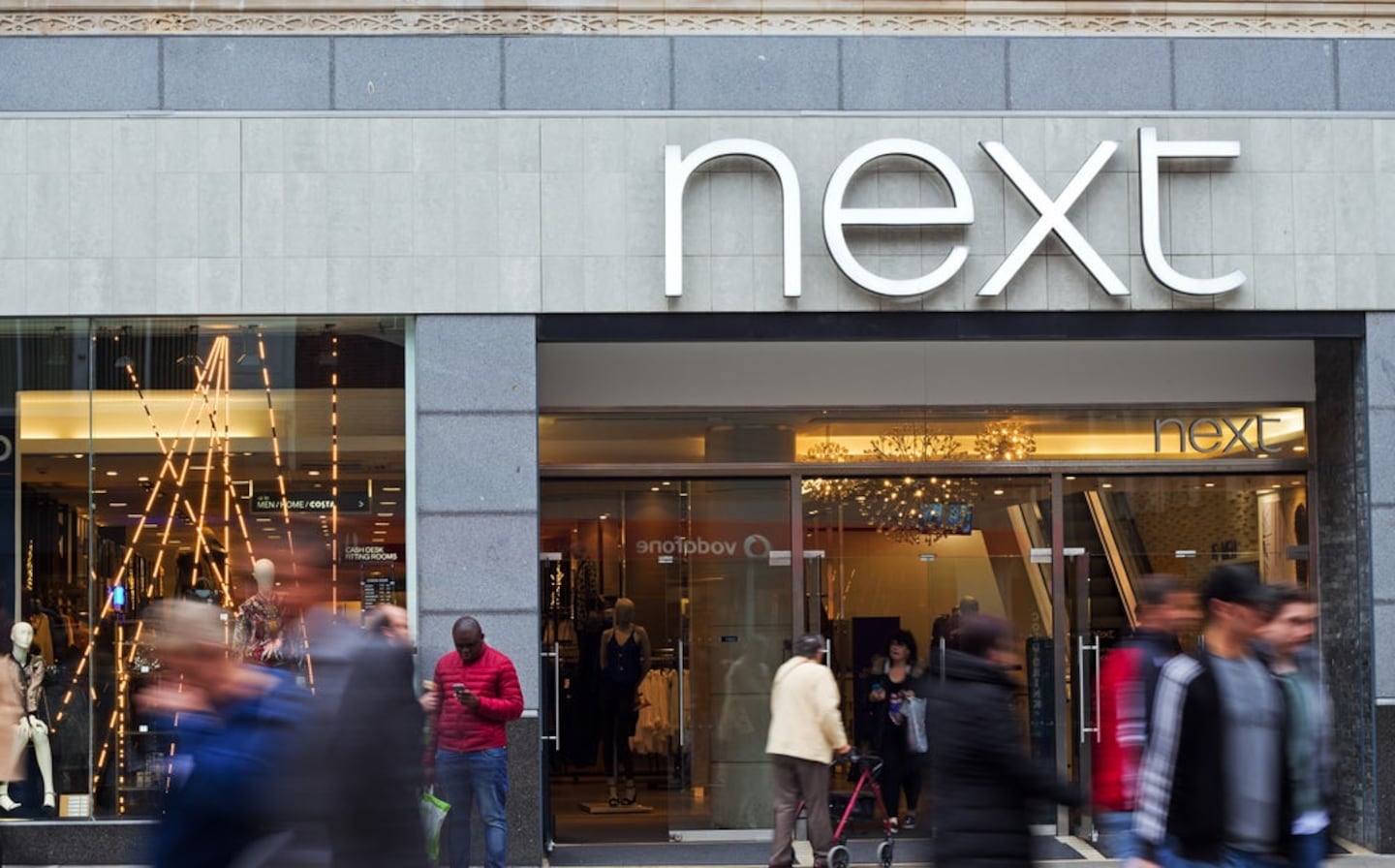
LONDON, United Kingdom — Next Plc held its profit forecast and said it can mitigate a tough UK clothing market by improving ranges and switching suppliers, reassuring investors worried about the retailer's price pressures and product challenges.
The clothier maintained its forecast that profit will fall this year to between £680 million ($849 million) and £780 million, defying some analyst predictions that chief executive officer Simon Wolfson would lower it. The shares rose as much as 8.6 percent in their biggest gain since June.
“The numbers confirm no additional weakness, which is a relief as the market was fairly pessimistic and expecting guidance to be taken down,” said Vinod Nair, co-chief investment officer at Altavista, which has 2 percent to 3 percent of its $200 million-plus fund in the chain’s shares.
Since 2015, Next’s shares have slumped as Wolfson has issued a series of frank assessments of the challenges facing the retailer, which also sells home furnishings at shops in malls and central shopping districts throughout the UK. Against a backdrop of weakening apparel spending, the fall in the pound since the vote to leave the European Union has spurred inflation and squeezed disposable incomes, even as British consumers shift spending away from their wardrobes to weekend entertainment.
ADVERTISEMENT
There's been a continuation of the shift in spending away from clothing and into experiences.
“Trading conditions this year have confirmed the cautious approach we have been taking was the correct one,” Wolfson said by phone. “There’s been a continuation of the shift in spending away from clothing and into experiences and we think that will continue for the rest of the year.”
Next’s earnings fell for the first time in eight years. Pretax profit declined 3.8 percent to £790.2 million in the year through January 31, meeting analysts’ estimates.
“Next faces a tough UK consumer outlook and some structural issues but the results look broadly reassuring,” Richard Chamberlain, an analyst at RBC, said by email.
In an effort to shield profits, Next has raised clothing prices by about 4 percent. The company said it would focus on speeding up its response to consumer trends and invest in its online operations.
Price Pressure
Next said it’s dealing with price pressure stemming from the weakness of the pound by working with new suppliers and negotiating with existing ones for better deals, taking advantage of excess supply in the market. Pressure from the weak pound should ease in the second half of the current year if the fall in the currency proves to have been a one-time response to the June 2016 Brexit vote.
Battling against the likes of Inditex's Zara and nimble online-only rivals that constantly update product ranges, Next has been striving to reduce the time it takes to get its designs into stores.
In focusing on trendy fashions, Next cut staples such as easy-to-wear work blouses. After initially blaming the retailer’s disappointing Christmas sales on a malaise in clothing spending, Wolfson said Thursday that the company’s own missteps played a part, adding that Next’s ranges won’t be fully corrected until September.
“We have a much better understanding of what we can do to improve our own performance than we had two months ago,” Wolfson said. “We focused too heavily on the new and exciting and took our eye off that heartland product.”

Nikhil Thukral, managing partner at the LVMH-affiliated private equity fund, talks about the ingredients of winning companies, the dynamics challenging fashion's incumbents and how economic shifts are shaping investor strategies in the BoF-McKinsey State of Fashion 2025.
The fast fashion giant is reportedly close to filing to go public in London, but faces doubts about its business and the political environment.
In 2020, like many companies, the $50 billion yoga apparel brand created a new department to improve internal diversity and inclusion, and to create a more equitable playing field for minorities. In interviews with BoF, 14 current and former employees said things only got worse.
For fashion’s private market investors, deal-making may provide less-than-ideal returns and raise questions about the long-term value creation opportunities across parts of the fashion industry, reports The State of Fashion 2024.
Christine Hunsicker admitted she falsified financial statements to promote CaaStle Inc. as a valuable, growing business when in reality it was struggling.
The American cosmetic giant’s buyout of Ayurvedic beauty line Forest Essentials came as a surprise. By picking an under-the-radar brand it knows well, the company can show that it’s still in the M&A game without needing to outbid rivals.
The underwear company is anticipating net sales of at least $6.85 billion in the current fiscal year, exceeding analyst estimates and marking the highest revenue since its split from L Brands Inc in 2021.
The Japanese brand is accelerating its expansion in India to capture a greater share of the rapidly growing apparel market and affluent consumer base.