Agenda-setting intelligence, analysis and advice for the global fashion community.
Agenda-setting intelligence, analysis and advice for the global fashion community.

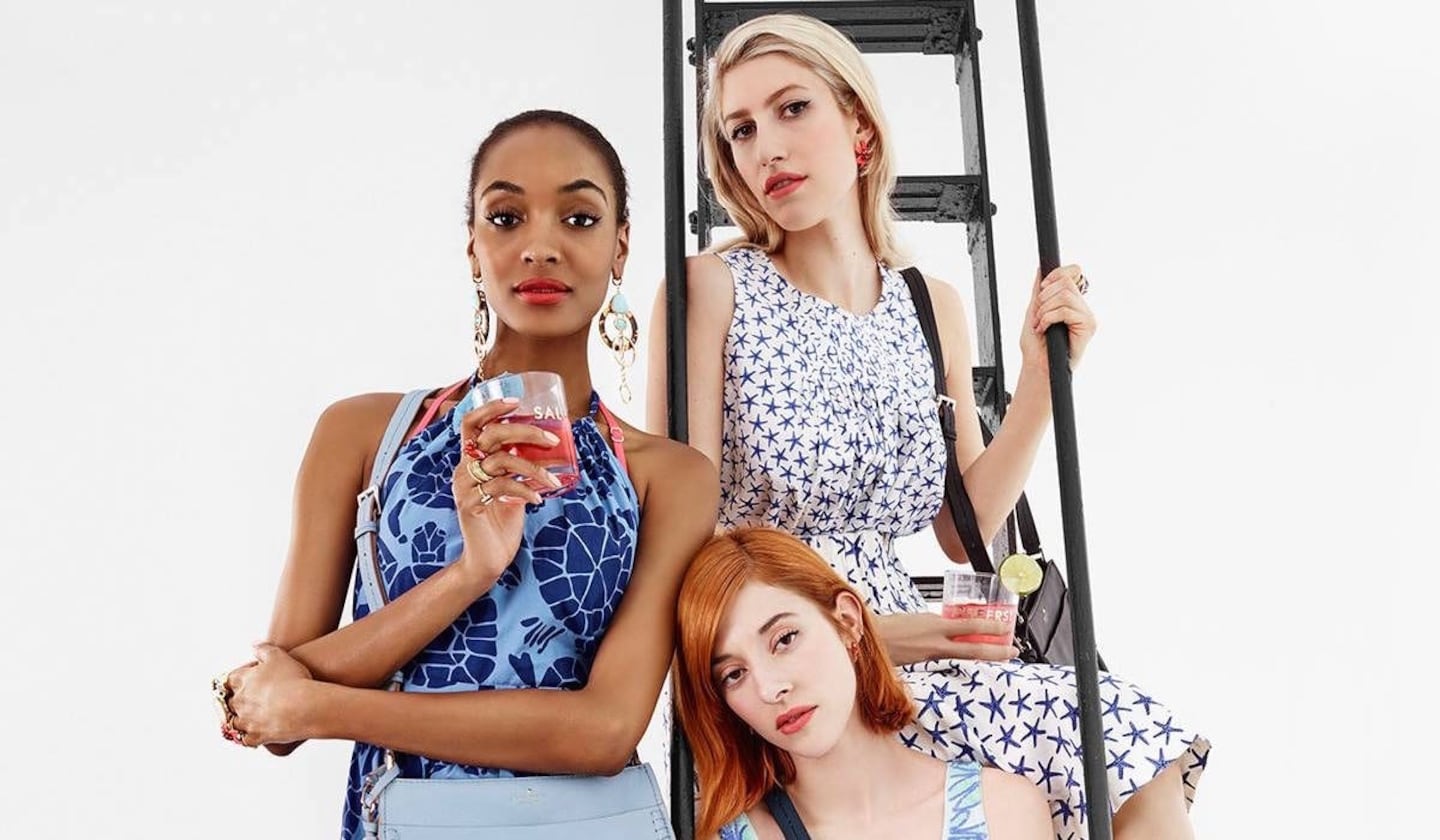
NEW YORK, United States — Kate Spade & Co. fell as much as 20 percent in early trading after weakening sales to tourists prompted the handbag maker to cut its full-year sales and profit forecasts.
Profit will be 63 cents to 70 cents a share in the year ending in January, the New York-based company said in a statement Wednesday. Kate Spade had previously forecast 70 cents to 80 cents, and analysts projected 78 cents, on average.
Kate Spade has been trying to reduce promotions at department stores and sell more items at full price to maintain the brand's cachet. But a dearth of foreign tourists to the US — who have put off visits because of the strong dollar — has slowed foot traffic, forcing the company to mark down merchandise. Kate Spade also is facing increasing competition from rivals such as Coach Inc. and Michael Kors Holdings Ltd.
Shares of Kate Spade fell as low as $16.20 before the start of regular trading in New York. Before the decline, the stock had been up 13 percent this year through Tuesday.
ADVERTISEMENT
Sales Forecast
Full-year sales will probably be $1.37 billion to $1.4 billion, the company said. That is down from its previous forecast of $1.39 billion $1.41 billion. Analyst estimated $1.41 billion. Profit for the second quarter ended July was 11 cents, excluding some items, lower than analysts’ average estimate of 14 cents.
The company is coping with a long-term decline in the handbag industry by expanding in home products and children’s wear to draw new customers. It introduced 14 new product categories last year, including furniture, lighting and rugs. It also entered eight new countries, such as India, and extended its reach in Latin America, Macau and Taiwan.
Sales in Kate Spade’s North America business, which accounted for about 85 percent of its total revenue, rose 15 percent in the second quarter. International sales climbed 6.6 percent.
The company has increasingly integrated its stores and online shops, and is working to sell more full-price products by shipping items purchased online from it stores. Direct-to-consumer comparable sales grew 4 percent. Analysts had predicted an increase of 13 percent, according to Consensus Metrix.
By Stephanie Wong; editors: Nick Turner and Kevin Orland.
Nikhil Thukral, managing partner at the LVMH-affiliated private equity fund, talks about the ingredients of winning companies, the dynamics challenging fashion's incumbents and how economic shifts are shaping investor strategies in the BoF-McKinsey State of Fashion 2025.
The fast fashion giant is reportedly close to filing to go public in London, but faces doubts about its business and the political environment.
In 2020, like many companies, the $50 billion yoga apparel brand created a new department to improve internal diversity and inclusion, and to create a more equitable playing field for minorities. In interviews with BoF, 14 current and former employees said things only got worse.
For fashion’s private market investors, deal-making may provide less-than-ideal returns and raise questions about the long-term value creation opportunities across parts of the fashion industry, reports The State of Fashion 2024.
The decline in nonfarm payrolls reported by the Labor Department in its employment report on Friday was the sixth since January 2025 and the second largest.
Credo Beauty has added stylish clean makeup brand Saie to its portfolio, as the category enters a mature, results-driven era.
On finished its 2025 fiscal year with 30 percent sales growth. Despite its successful run last year, the company isn’t getting ahead of itself for 2026. Co-founder David Allemann explains that and more in today’s newsletter.
Check out this week’s new partners and openings on BoF Careers, the global marketplace for fashion and beauty talent.