Agenda-setting intelligence, analysis and advice for the global fashion community.
Agenda-setting intelligence, analysis and advice for the global fashion community.

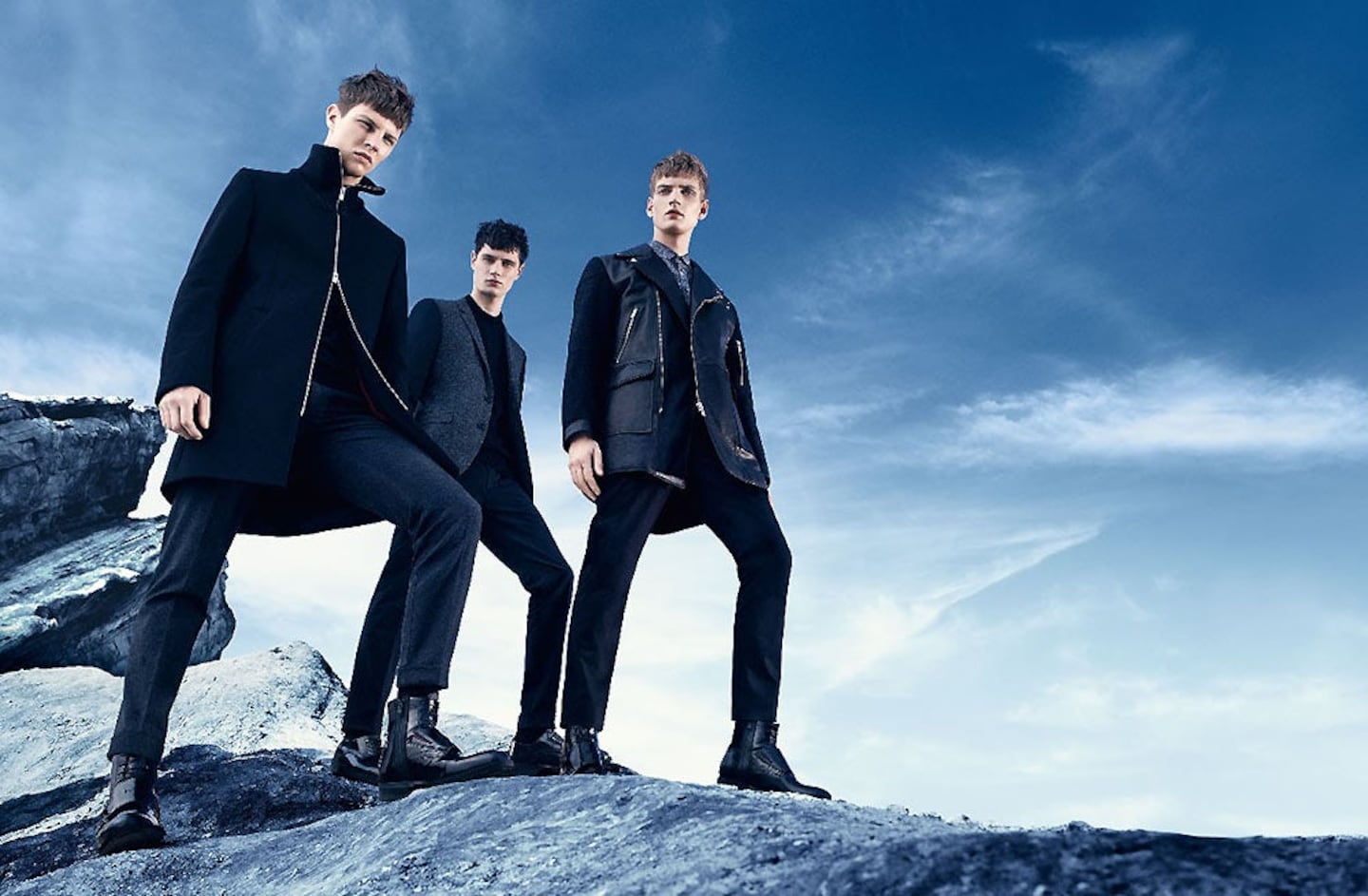
FRANKFURT, Germany — Hugo Boss AG, the German maker of narrow-cut suits and Jason Wu-designed dresses, will strive for high single-digit percentage sales growth in coming years by focusing on emerging economies.
Boss will concentrate on under-tapped markets in Asia, eastern Europe and the Middle East amid an “increasingly challenging macroeconomic and industry-specific environment,” the company said in a statement released before a meeting with analysts in Paris.
The company, based in the town of Metzingen near Stuttgart, is undertaking the strategy to counter a sputtering global economy that’s affecting the fashion industry in particular. Boss plans by 2020 to generate at least 15 percent of sales from women’s wear and increase its operating margin to 25 percent of revenue.
Analysts surveyed by Bloomberg expect sales growth of 8 percent in each of the next two years from an estimated 2.59 billion euros ($3.2 billion) in 2014. The operating margin has hovered around 19 percent the past two years.
ADVERTISEMENT
Boss fell 0.5 percent to 103.10 euros as of 9:32 a.m. in Frankfurt. That pushed the stock to a 0.4 percent decline this year, valuing the fashion company at 7.26 billion euros.
The new prognosis comes after Hugo Boss trimmed its targets for this year on Nov. 4, citing a “substantial slowdown” in Europe and saying revenue will rise 6 percent to 8 percent, excluding currency effects.
The company hired Wu a year ago to expand its women's business. Chief Executive Officer Claus-Dietrich Lahrs has been adding to the number of company-owned stores intended to showcase its apparel.
“Whenever we trade in our own spaces, we tend to sell at higher prices,” Lahrs said at the analyst meeting.
By Aaron Ricadela; editors: Kenneth Wong, Paul Jarvis, Tom Lavell.
Nikhil Thukral, managing partner at the LVMH-affiliated private equity fund, talks about the ingredients of winning companies, the dynamics challenging fashion's incumbents and how economic shifts are shaping investor strategies in the BoF-McKinsey State of Fashion 2025.
The fast fashion giant is reportedly close to filing to go public in London, but faces doubts about its business and the political environment.
In 2020, like many companies, the $50 billion yoga apparel brand created a new department to improve internal diversity and inclusion, and to create a more equitable playing field for minorities. In interviews with BoF, 14 current and former employees said things only got worse.
For fashion’s private market investors, deal-making may provide less-than-ideal returns and raise questions about the long-term value creation opportunities across parts of the fashion industry, reports The State of Fashion 2024.
Christine Hunsicker admitted she falsified financial statements to promote CaaStle Inc. as a valuable, growing business when in reality it was struggling.
The American cosmetic giant’s buyout of Ayurvedic beauty line Forest Essentials came as a surprise. By picking an under-the-radar brand it knows well, the company can show that it’s still in the M&A game without needing to outbid rivals.
The underwear company is anticipating net sales of at least $6.85 billion in the current fiscal year, exceeding analyst estimates and marking the highest revenue since its split from L Brands Inc in 2021.
The Japanese brand is accelerating its expansion in India to capture a greater share of the rapidly growing apparel market and affluent consumer base.