Agenda-setting intelligence, analysis and advice for the global fashion community.
Agenda-setting intelligence, analysis and advice for the global fashion community.

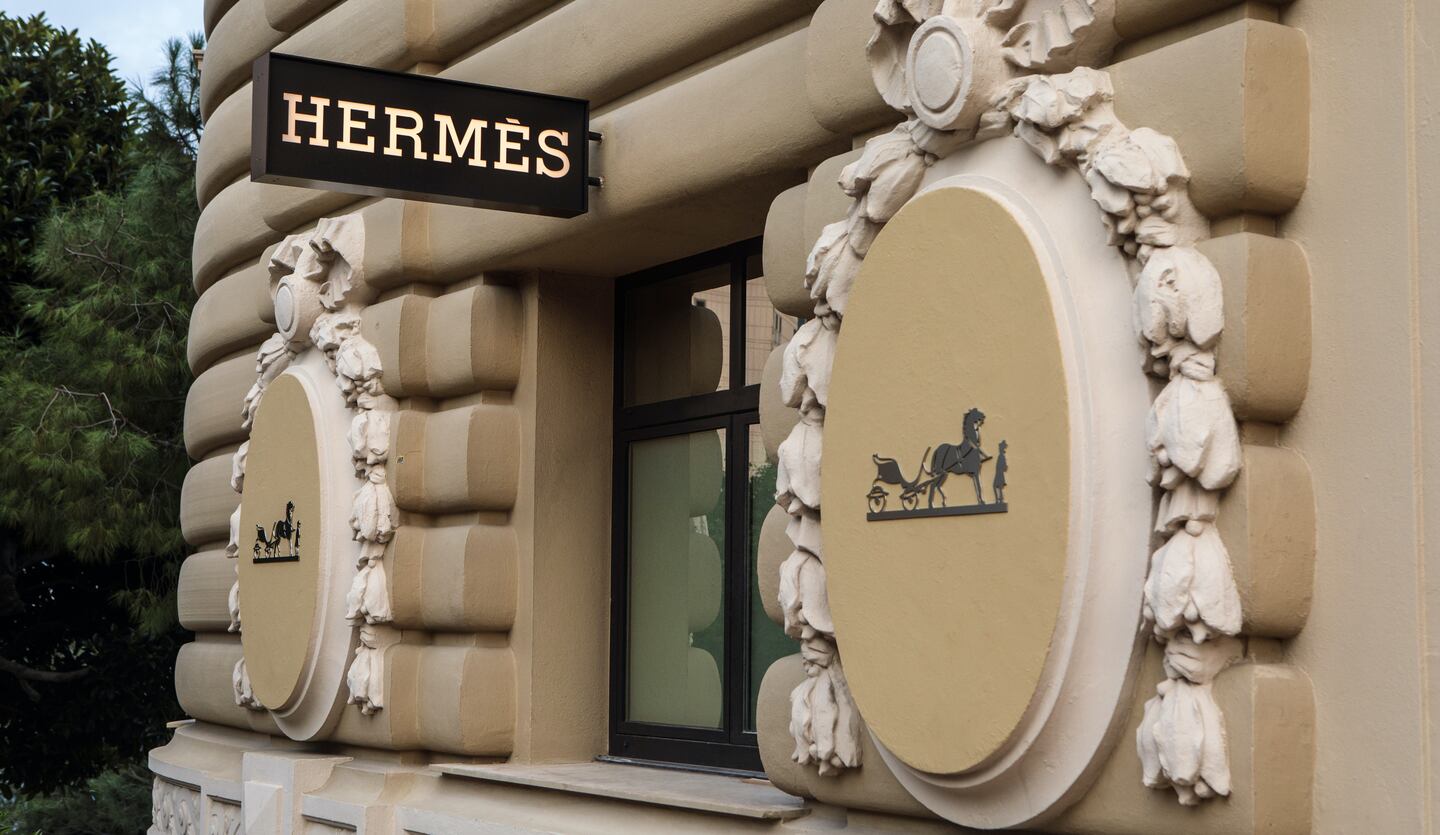
PARIS, France — Upmarket handbag maker Hermès, one of the luxury brands still riding high on strong demand from Asian clients, said on Wednesday it had not observed any change in sales trends so far this year.
The French label, known for its squared silk scarves and Birkin handbags that sell for more than $10,000, posted a 15 percent rise in net profit for 2018 to €1.4 billion (£1.20 billion). Operating income rose 6 percent to €2 billion.
A US-China trade war has raised fears that firms heavily reliant on Chinese demand will suffer as the mood among consumers sours, though some luxury labels appear to have retained their appeal as younger shoppers seek out branded goods.
"There is no trend change at this stage," chief executive Axel Dumas told journalists. Hermès remained cautious for 2019 but was confident about its longer-term prospects.
ADVERTISEMENT
Hermès had already reported 10 percent comparable sales growth for the fourth quarter, with revenue expanding in Asia Pacific at a quicker pace than in the previous three months.
Along with rivals such as LVMH's Louis Vuitton, and Kering's Gucci and Balenciaga brands, it is one of the high-end labels still profiting from thriving Chinese demand and a mostly benign industry backdrop globally.
Dumas said all of its divisions, which also include perfumes and watches, were still performing well globally in terms of sales volumes in the first few months of the year, though the silk unit remained in a phase of moderate growth after revenue expanded at a slower clip last year.
Hermès was increasing its prices globally by 3 percent in 2019, Dumas added, to adjust for increased production costs.
Margins reached 34.3 percent of its sales in 2018, a slight dip from the record reached a year earlier as rises in production costs outpaced those of its merchandise, although they remain among the highest in the industry.
By Sarah White and Pascale Denis; editors: Sudip Kar-Gupta and David Holmes.
Nikhil Thukral, managing partner at the LVMH-affiliated private equity fund, talks about the ingredients of winning companies, the dynamics challenging fashion's incumbents and how economic shifts are shaping investor strategies in the BoF-McKinsey State of Fashion 2025.
The fast fashion giant is reportedly close to filing to go public in London, but faces doubts about its business and the political environment.
In 2020, like many companies, the $50 billion yoga apparel brand created a new department to improve internal diversity and inclusion, and to create a more equitable playing field for minorities. In interviews with BoF, 14 current and former employees said things only got worse.
For fashion’s private market investors, deal-making may provide less-than-ideal returns and raise questions about the long-term value creation opportunities across parts of the fashion industry, reports The State of Fashion 2024.
Christine Hunsicker admitted she falsified financial statements to promote CaaStle Inc. as a valuable, growing business when in reality it was struggling.
The American cosmetic giant’s buyout of Ayurvedic beauty line Forest Essentials came as a surprise. By picking an under-the-radar brand it knows well, the company can show that it’s still in the M&A game without needing to outbid rivals.
The underwear company is anticipating net sales of at least $6.85 billion in the current fiscal year, exceeding analyst estimates and marking the highest revenue since its split from L Brands Inc in 2021.
The Japanese brand is accelerating its expansion in India to capture a greater share of the rapidly growing apparel market and affluent consumer base.