Agenda-setting intelligence, analysis and advice for the global fashion community.
Agenda-setting intelligence, analysis and advice for the global fashion community.

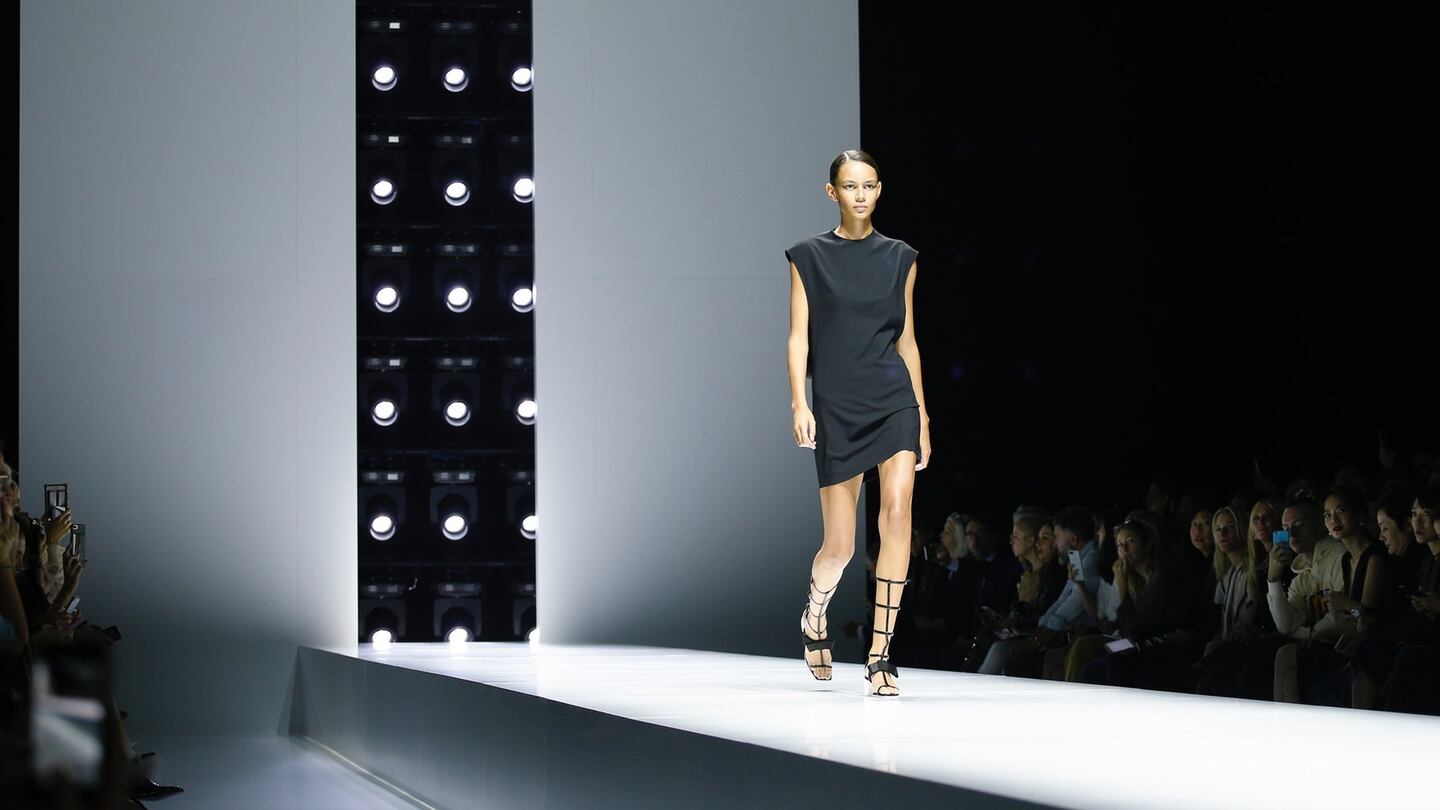
PARIS, France — Fosun is taking control of Lanvin, France's oldest surviving couture label, in the Chinese conglomerate's most prominent fashion investment yet.
Fosun, which owns French leisure company Club Med, is the latest Chinese firm to expand into fashion labels at a time when consumers in China — the world's second biggest economy — are driving a global revival in luxury goods spending.
Lanvin, until now majority-owned by Taiwan-based media magnate Shaw-Lan Wang, had struggled financially in recent years after switching designers.
But the 129-year-old brand, named after founding couturiere Jeanne Lanvin, remains one of fashion's best-known labels, and has long been considered an epitome of Parisian chic.
ADVERTISEMENT
The storied French label had been struggling with sales.
Fosun gave no financial details of the transaction. It said current shareholders — who include Wang, with 75 percent of the firm, and Swiss businessman Ralph Bartel, who has 25 percent — would retain a minority stake in Lanvin.
The Chinese group will invest around 100 million euros ($123 million) in the business, a source close to the matter said. Fosun added in a statement that with its resources Lanvin would "enter a new phase of expansion."
The brand had enjoyed a revival under star designer Alber Elbaz, but his surprise sacking in 2015 marked a turning point for Lanvin, which changed artistic director twice but was still having trouble with slumping sales and facing a cash crunch.
The acquisition comes amid a push by Chinese firms into luxury.
Lanvin does not publish earnings. It made an 18.3 million euro loss in 2016, sources with knowledge of the situation had told Reuters. Losses had been forecast to rise to at least 27 million euros in 2017, they said.
Fosun saw off competition from Qatari investment fund Mayhoola, the owner of Italy's Valentino, to take control of Lanvin, according to people with knowledge of the discussions.
Fosun already had stakes in Italian high-end menswear label Caruso and US knitwear firm St. John Knits and it said on Thursday that it had a mandate to "strategically deepen its root in this sector."
China's Shandong Ruyi — a shareholder in French group SMCP that owns the Sandro, Maje and Claudie Pierlot labels — has also been expanding its fashion empire. This month it took control of Swiss luxury shoe and accessories firm Bally.
The luxury fashion industry is still dominated by European firms, however, including French conglomerates LVMH, which owns Louis Vuitton, and Gucci-parent Kering.
By Jean-Michel Belot and Sudip Kar-Gupta; editor: Sarah White.
Nikhil Thukral, managing partner at the LVMH-affiliated private equity fund, talks about the ingredients of winning companies, the dynamics challenging fashion's incumbents and how economic shifts are shaping investor strategies in the BoF-McKinsey State of Fashion 2025.
The fast fashion giant is reportedly close to filing to go public in London, but faces doubts about its business and the political environment.
In 2020, like many companies, the $50 billion yoga apparel brand created a new department to improve internal diversity and inclusion, and to create a more equitable playing field for minorities. In interviews with BoF, 14 current and former employees said things only got worse.
For fashion’s private market investors, deal-making may provide less-than-ideal returns and raise questions about the long-term value creation opportunities across parts of the fashion industry, reports The State of Fashion 2024.
The brands Gap and Banana Republic beat comparable sales estimates.
Sex sells — if anyone can figure out what sexy means in 2026. Robert Williams tracks the search for a new silhouette at Kering’s Gucci, LVMH’s Dior and more.
Christine Hunsicker admitted she falsified financial statements to promote CaaStle Inc. as a valuable, growing business when in reality it was struggling.
The American cosmetic giant’s buyout of Ayurvedic beauty line Forest Essentials came as a surprise. By picking an under-the-radar brand it knows well, the company can show that it’s still in the M&A game without needing to outbid rivals.