Agenda-setting intelligence, analysis and advice for the global fashion community.
Agenda-setting intelligence, analysis and advice for the global fashion community.

The move comes as Kering announces plans to drop a five-year-old lawsuit against Alibaba over alleged counterfeiting, with the two companies agreeing to establish a task force to protect Kering’s brands and utilise Alibaba technology to snuff out fakes. The task force echoes one detailed in an agreement between the two behemoths in 2017.
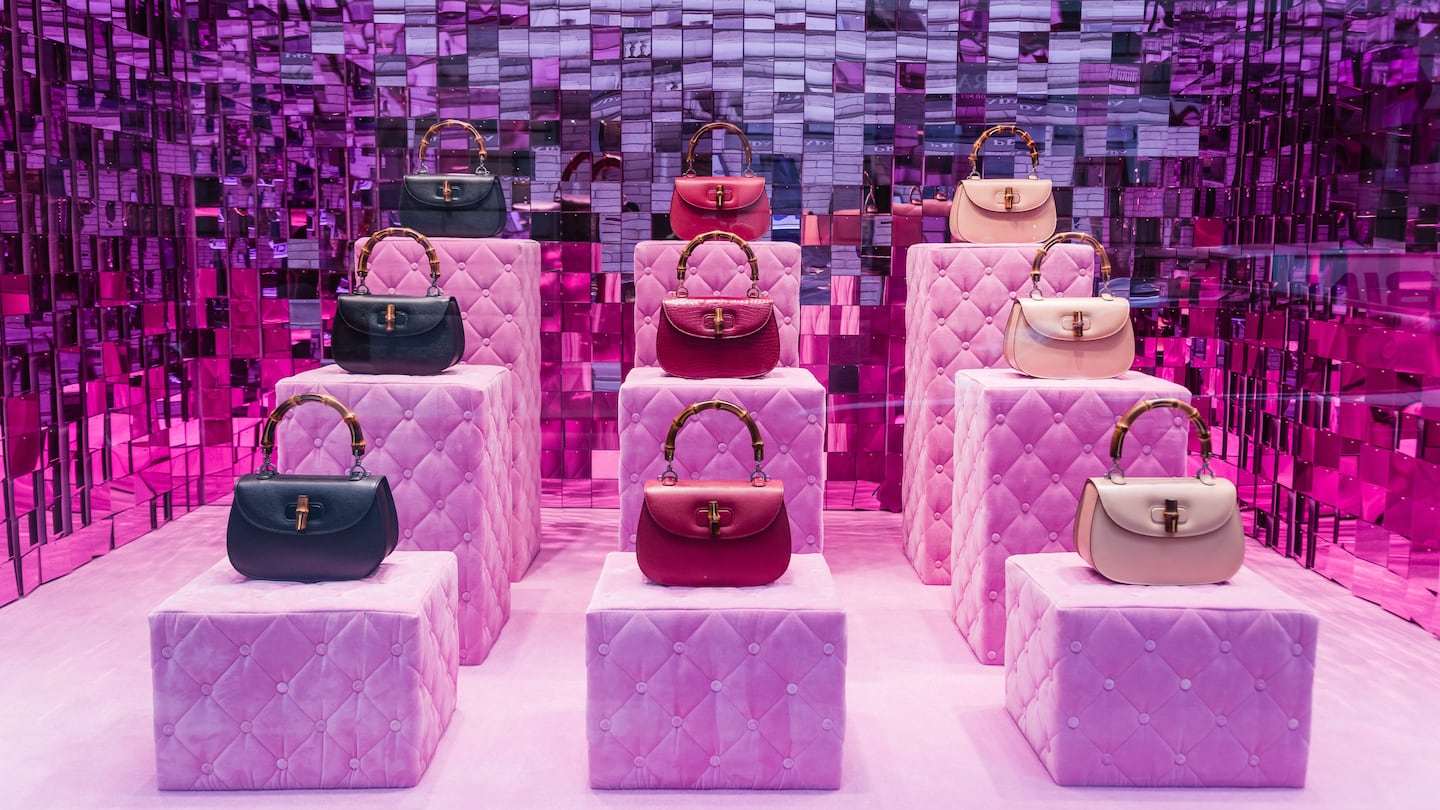
Gucci will launch two flagship stores on Tmall (one for fashion and one for beauty) on December 21. Other Kering brands, from Saint Laurent and Bottega Veneta to Balenciaga and Alexander McQueen, already operate storefronts on the platform. In 2018, Gucci chief executive Marco Bizzari said during BoF’s China Summit that he was reluctant to partner with China’s e-commerce platforms due to concerns regarding counterfeits.
The announcement is a sign of how important the Chinese e-commerce market has become this year, as luxury spending globally dwindled. While Alibaba has been working to improve its reputation and establish trust with both customers and brand partners, luxury’s pandemic-induced slump and the rapid growth of China’s luxury market have pushed brands to establish local partnerships in the hopes of boosting their bottom lines.
Gucci is among the last of luxury’s big names to join the e-tailer, which expects the number of brand partners on its Luxury Pavilion platform to hit 220 by years-end, up from 150 before the Covid-19 outbreak.
An emerging narrative this earnings season is that China’s troubled fashion market is stabilising. This week’s results will put that theory to the test.
Had the truce not been extended through Nov. 10, US tariffs on Chinese goods would have jumped to at least 54% starting on August 12.
The once-promising Chinese travel retail market is showing little signs of recovery, causing global beauty giants to reevaluate their strategies and reduce promotions.
With soaring profits and rapidly expanding store networks, ‘heritage-gold’ jewellery brands like Laopu Gold and Lao Feng Xiang are red-hot in China’s otherwise tepid luxury market.
Stick with the program or switch it up? Angelo Flaccavento reports on Chloé, Rabanne, Schiaparelli, Rick Owens and Uma Wang.
The brands Gap and Banana Republic beat comparable sales estimates.
Sex sells — if anyone can figure out what sexy means in 2026. Robert Williams tracks the search for a new silhouette at Kering’s Gucci, LVMH’s Dior and more.
Christine Hunsicker admitted she falsified financial statements to promote CaaStle Inc. as a valuable, growing business when in reality it was struggling.