Agenda-setting intelligence, analysis and advice for the global fashion community.
Agenda-setting intelligence, analysis and advice for the global fashion community.

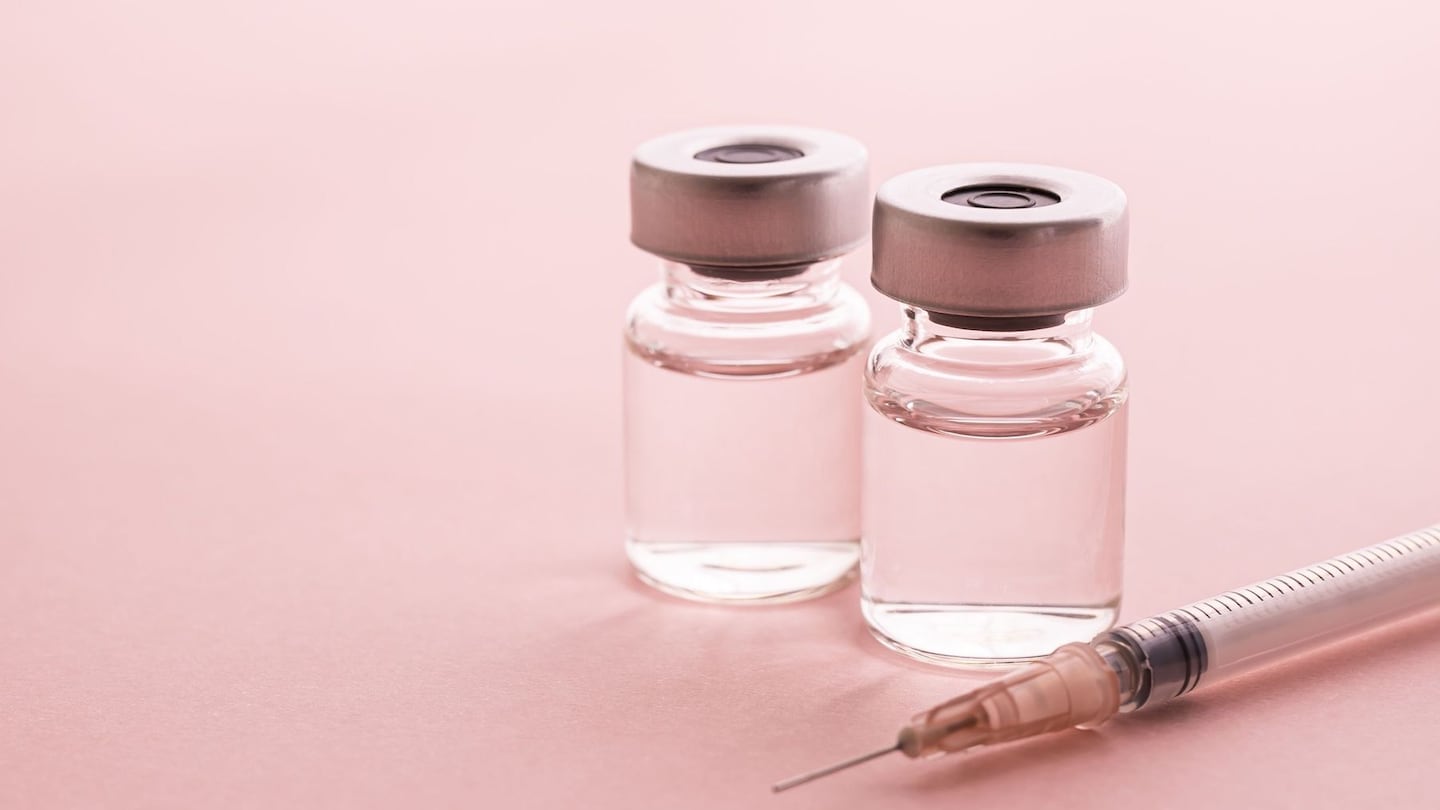
Eli Lilly & Co.’s diabetes and weight-loss drugs Mounjaro and Zepbound are no longer in short supply in the US, which means compounding pharmacies must stop making less expensive copycat versions in the coming months.
“The tirzepatide injection shortage is resolved,” the US Food and Drug Administration said Thursday, referring to the active ingredient in Lilly’s drugs. Drug compounders, who are allowed to make copies of medicines that are in short supply, must stop the practice within in the next 60 to 90 days, the agency said.
Compounded weight-loss medicines have flourished because of shortages of the brand-name drugs, made by Lilly and Novo Nordisk A/S. The business has boomed, bringing in as much as $1 billion annually, bankers estimate. Compounded weight-loss drugs are often cheaper than their brand-name counterparts, which have spotty insurance coverage. And they’ve been easily available through telehealth companies.
Hims & Hers Health Inc., a telehealth company that provides copycat versions of Novo’s drugs, but not Lilly’s, fell as much as 13 percent in New York. Lilly’s shares fell less than 1 percent.
ADVERTISEMENT
While compounders are only allowed to make copies of brand-name drugs during a shortage, some production can continue for a short period of time after it ends, according to federal law. The industry will be allowed to keep making copies of Lilly’s drugs for 60 to 90 days, depending on the type of compounder, which is longer than the normal grace period, the FDA said Thursday.
The FDA had previously said Lilly’s drugs were out of shortage and that making copies must cease in October. Compounders sued, causing the FDA to pause enforcement while it reevaluated its decision.
The FDA considered data provided by Lilly, compounders and others. Even though there is “significant compounding” of Lilly’s drugs and some patients taking those drugs will switch to Lilly’s brand-name products, the FDA said it expects the company will continue to “meet or exceed projected demand.”
By Ike Swetlitz
Learn more:
The Start-Ups Turning Ozempic Into the Next Botox
From medspas to telemedicine, weight-loss drugs are becoming adopted for mainstream cosmetic use.
The American cosmetic giant’s buyout of Ayurvedic beauty line Forest Essentials came as a surprise. By picking an under-the-radar brand it knows well, the company can show that it’s still in the M&A game without needing to outbid rivals.
The luxury Ayurvedic skincare line will be the first deal by the conglomerate under the leadership of Stéphane de La Faverie.
As the aesthetics industry shifts towards longevity, Swiss company Teoxane is leveraging a unified scientific platform to bridge the gap between injectables and skincare. BoF sits down with chief operating officer Can Ongen to learn more.
By introducing a new version of her Magic Cream, Tilbury joins a number of other brands, from Armani and Olaplex, wading into the tricky waters of reformulation.
Stick with the program or switch it up? Angelo Flaccavento reports on Chloé, Rabanne, Schiaparelli, Rick Owens and Uma Wang.
The brands Gap and Banana Republic beat comparable sales estimates.
Sex sells — if anyone can figure out what sexy means in 2026. Robert Williams tracks the search for a new silhouette at Kering’s Gucci, LVMH’s Dior and more.
Christine Hunsicker admitted she falsified financial statements to promote CaaStle Inc. as a valuable, growing business when in reality it was struggling.