
Agenda-setting intelligence, analysis and advice for the global fashion community.
Agenda-setting intelligence, analysis and advice for the global fashion community.

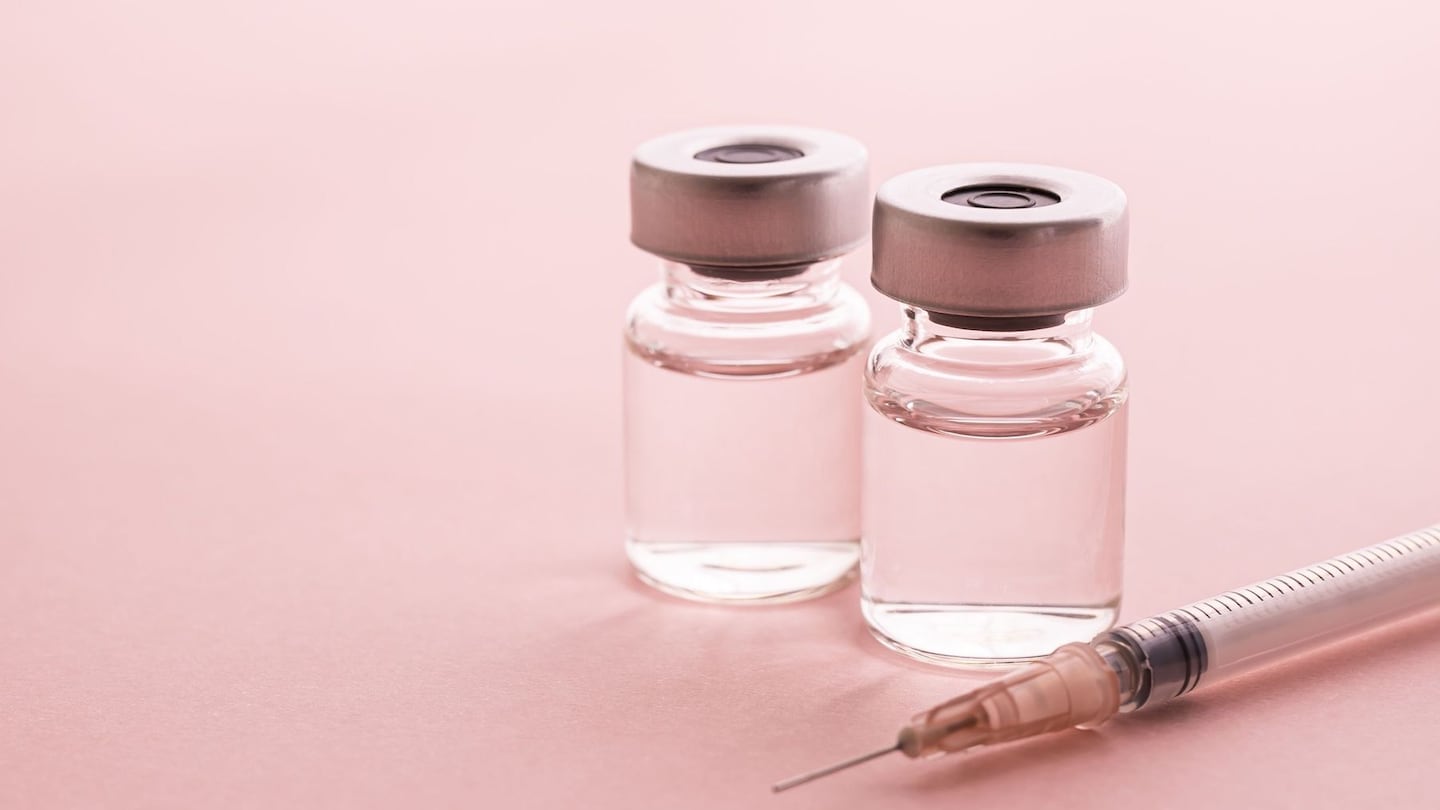
Eli Lilly said on Wednesday it had sued four compounders for selling unapproved products containing tirzepatide, after a US judge last month blocked pharmacies from making copies of its weight-loss and diabetes medicines.
Compounders were, until recently, allowed to produce copies of obesity drugs while the FDA classified them as being in shortage, under US rules that permit such manufacturing only during supply gaps.
Tirzepatide is the main ingredient in Lilly’s weight-loss and diabetes medicines, including the blockbuster, Mounjaro.
Lilly’s lawsuits, to be filed in California, name Mochi Health Corp, Fella Health and Delilah, Willow Health Services, and Henry Meds, accusing them of selling tirzepatide knockoffs — including versions with additives or in oral form — without clinical evidence of safety or effectiveness.
ADVERTISEMENT
Indianapolis-based Lilly has already sued more than two dozen medical spas, wellness centres and compounding pharmacies for selling products claiming to contain tirzepatide.
Earlier this month, the company sued two other compounders and said it would send about fifty cease and desist letters, asking companies to confirm that they have already ceased mass compounding.
Compounding facilities create medicines by combining, mixing or altering drug ingredients.
By Christy Santhosh; Edited by Nivedita Bhattacharjee
Learn more:
Eli Lilly Warns Against ‘Cosmetic’ Use of Popular Weight-Loss Drugs
“Mounjaro and Zepbound are indicated for the treatment of serious diseases; they are not approved for – and should not be used for – cosmetic weight loss,” the company said in a statement Thursday morning.
The American cosmetic giant’s buyout of Ayurvedic beauty line Forest Essentials came as a surprise. By picking an under-the-radar brand it knows well, the company can show that it’s still in the M&A game without needing to outbid rivals.
The luxury Ayurvedic skincare line will be the first deal by the conglomerate under the leadership of Stéphane de La Faverie.
As the aesthetics industry shifts towards longevity, Swiss company Teoxane is leveraging a unified scientific platform to bridge the gap between injectables and skincare. BoF sits down with chief operating officer Can Ongen to learn more.
By introducing a new version of her Magic Cream, Tilbury joins a number of other brands, from Armani and Olaplex, wading into the tricky waters of reformulation.
The brands Gap and Banana Republic beat comparable sales estimates.
Sex sells — if anyone can figure out what sexy means in 2026. Robert Williams tracks the search for a new silhouette at Kering’s Gucci, LVMH’s Dior and more.
Christine Hunsicker admitted she falsified financial statements to promote CaaStle Inc. as a valuable, growing business when in reality it was struggling.
The American cosmetic giant’s buyout of Ayurvedic beauty line Forest Essentials came as a surprise. By picking an under-the-radar brand it knows well, the company can show that it’s still in the M&A game without needing to outbid rivals.


