Agenda-setting intelligence, analysis and advice for the global fashion community.
Agenda-setting intelligence, analysis and advice for the global fashion community.

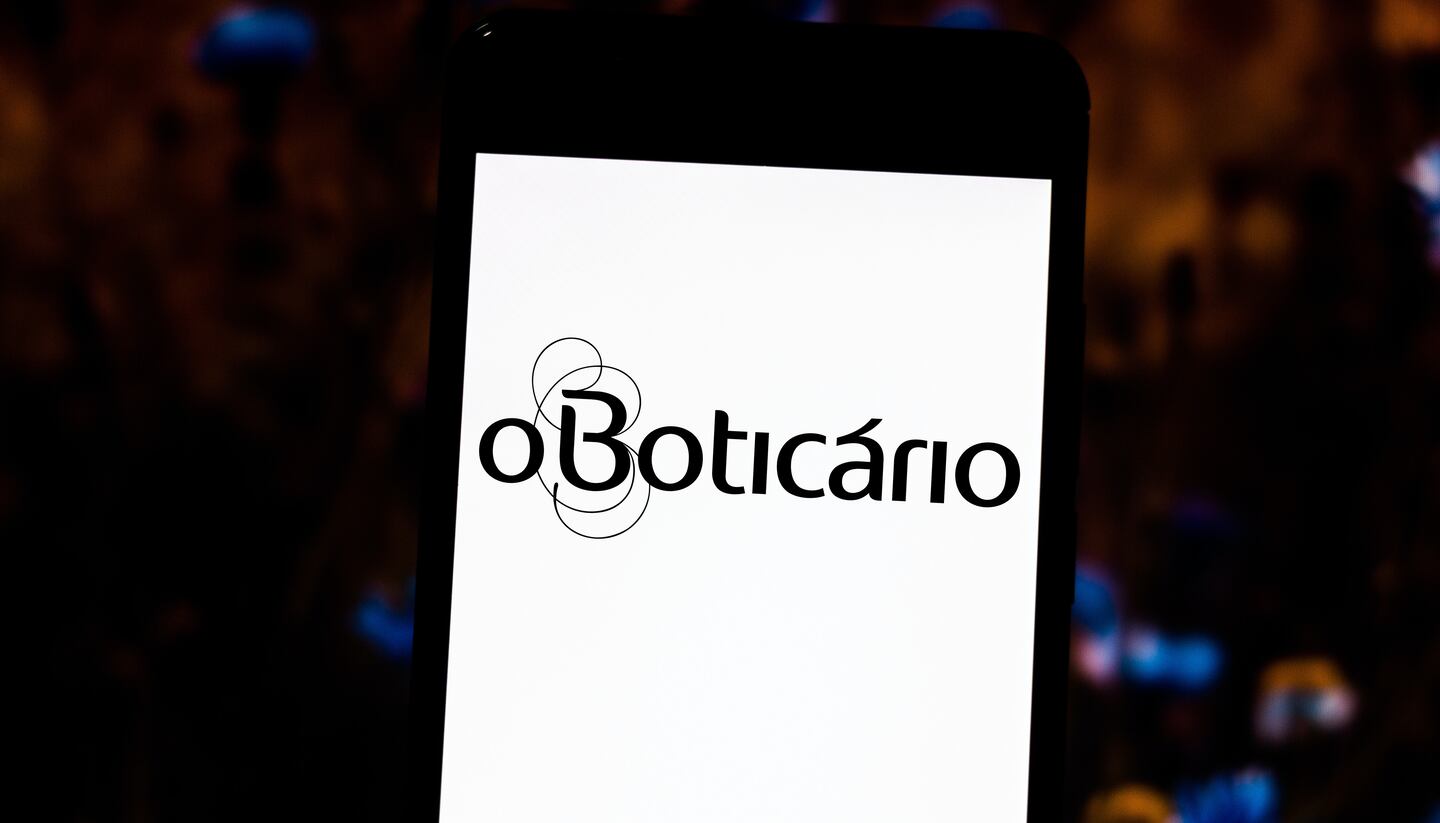
SAO PAULO, Brazil — Brazilian cosmetics company Grupo Boticario is considering domestic and foreign acquisitions as industry competition intensifies, its chief executive said on Thursday.
The company is a major rival to Brazil's Natura & Co, which became the world's fourth-largest beauty group after acquiring Avon Products last year.
"It is our duty to evaluate everything out there in the market," Chief Executive Arthur Grynbaum said at a press conference, citing increased competition since the Avon-Natura merger.
Brazilian newspaper Valor Economico quoted Grynbaum as saying on Thursday that Boticario was eyeing the purchase of US-listed Coty Inc's Brazilian operations to increase market share in hair care. A press representative confirmed his remarks.
ADVERTISEMENT
Grynbaum told journalists that Chinese rivals have been posing a challenge with cheaper products in multi-brand shops.
"They are very aggressive in terms of price," he said. "But we will not give up quality and safety to our customers."
With over 4,000 stores in Brazil and operations in more 15 countries, Grupo Boticario plans to invest 350 million to 400 million reais ($80 million to $92 million) this year, more than the 330 million reais invested in 2019.
Last year, the company reported a 9 percent rise in gross revenue from 2018, to 14.9 billion reais. This excludes Beleza na Web, an online platform whose acquisition by Grupo Boticario won antitrust approval in November.
"We've all embraced an economic recovery, but Brazil's growth pace still depends on the approval of key economic reforms and we must also monitor the coronavirus outbreak," Grynbaum added.
He noted Grupo Boticario does not depend heavily on the Chinese market, as it produces all cosmetics and most of its packaging in Brazil.
"Only accessories come from China, but some of our suppliers here get inputs from China, so we're still mapping the situation," Grynbaum added.
By Gabriela Mello; editor: Richard Chang.
The American cosmetic giant’s buyout of Ayurvedic beauty line Forest Essentials came as a surprise. By picking an under-the-radar brand it knows well, the company can show that it’s still in the M&A game without needing to outbid rivals.
The luxury Ayurvedic skincare line will be the first deal by the conglomerate under the leadership of Stéphane de La Faverie.
As the aesthetics industry shifts towards longevity, Swiss company Teoxane is leveraging a unified scientific platform to bridge the gap between injectables and skincare. BoF sits down with chief operating officer Can Ongen to learn more.
By introducing a new version of her Magic Cream, Tilbury joins a number of other brands, from Armani and Olaplex, wading into the tricky waters of reformulation.
Stick with the program or switch it up? Angelo Flaccavento reports on Chloé, Rabanne, Schiaparelli, Rick Owens and Uma Wang.
The brands Gap and Banana Republic beat comparable sales estimates.
Sex sells — if anyone can figure out what sexy means in 2026. Robert Williams tracks the search for a new silhouette at Kering’s Gucci, LVMH’s Dior and more.
Christine Hunsicker admitted she falsified financial statements to promote CaaStle Inc. as a valuable, growing business when in reality it was struggling.


