BoF Logo

Agenda-setting intelligence, analysis and advice for the global fashion community.

The American Department Store's Real-Time Reckoning

This week, everyone will be talking about the impending bankruptcies of several American department store chains, financial results from Tapestry and the success of "essential" retailers. Get your BoF Professional Cheat Sheet.
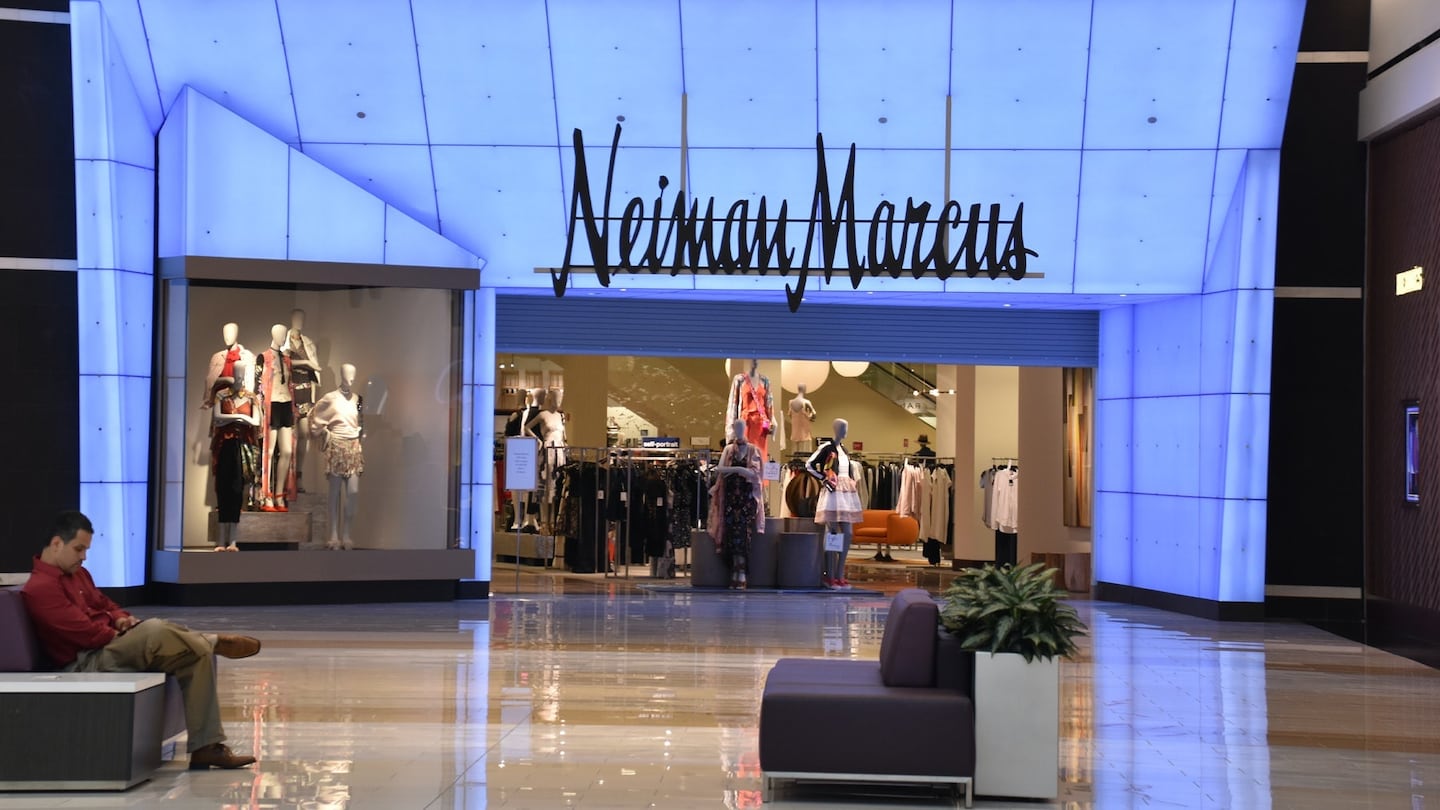
Neiman Marcus at King of Prussia Mall in Pennsylvania| Source: Shutterstock
Neiman Marcus at King of Prussia Mall in Pennsylvania| Source: Shutterstock (Shutterstock)
By
  • Brian Baskin

THE CHEAT SHEET

America's Department Stores Are Going Bankrupt

Source: Courtesy Source: Courtesy

Source: Courtesy

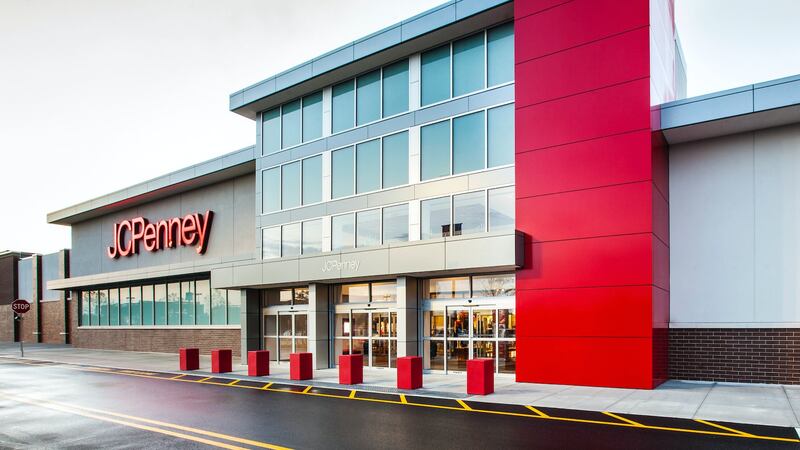
  • Neiman Marcus, J.C. Penney and Lord & Taylor are all reportedly considering bankruptcy filings
  • CNBC reports Neiman Marcus is seeking $600 million in emergency funding to keep operating while it restructures; J.C. Penney may need up to $1 billionThe Wall Street Journal reports
  • Department store chains make up nearly one-third of mall square footage, according to The New York Times
This may be the week that marks the beginning of the end for American department stores as we know them. That's a bit melodramatic, perhaps, but how else to describe three iconic names — Neiman Marcus, J.C. Penney and Lord & Taylor — all on the brink of bankruptcy. Neiman Marcus could reportedly file as soon as today. The other two are in advanced talks with creditors, meaning they could follow quickly. One could blame the coronavirus for pushing them over the brink, but the truth is that all three, and some competitors not named here, were headed down this path already. All have too many stores, selling products too similar to what can be found at rivals or online. Discounts alienated brands, while debt piled on in better times soaked up cash that could have helped pivot these businesses. They will need to use bankruptcies to shift some of that debt burden and close stores, or they'll be back here again before long.  

The Bottom Line: Department stores may be the first dominos to fall, but they probably won't be the last. Many American malls rely on department stores as anchor tenants. J.C. Penney closing some stores would further weaken already struggling lower and mid-tier malls, and drag down sales of other stores.

ADVERTISEMENT

Tapestry Provides a Health Check for American Fashion Retail

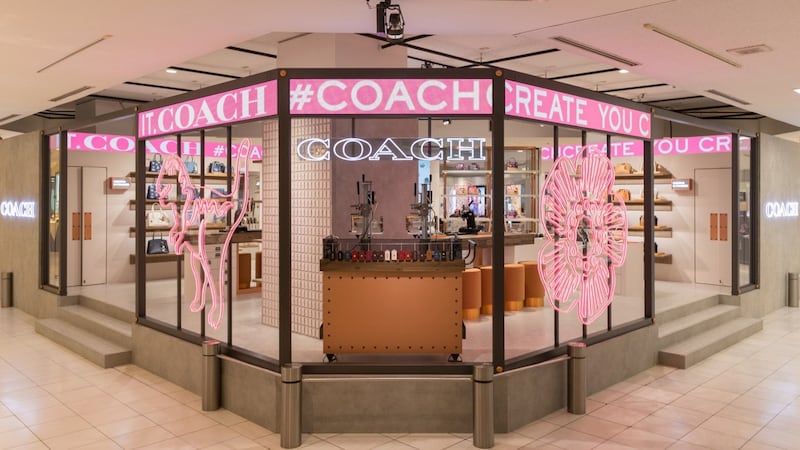
A Coach pop-up store | Source: Courtesy A Coach pop-up store | Source: Courtesy

A Coach pop-up store | Source: Courtesy

  • Tapestry reports quarterly financial results on April 30
  • The Coach and Kate Spade New York owner has furloughed 2,100 part-time store associates and drew $700 million from its credit line
  • Tapestry shares are down about 50 percent since late February
Tapestry is a good bellwether for how fashion is — or isn’t — weathering Covid-19. Where J.C. Penney was in a singularly dire state well before the pandemic hit, Tapestry's struggles were more typical of big, mainstream fashion brands. Coach, Kate Spade New York and Stuart Weitzman are aspirational labels, attempting to sell to a broad group of consumers, with stores in luxury malls and outlet malls alike. Pre-pandemic, the company had spent several years trying to move upmarket, or at least reduce its reliance on discounts and off-price channels, but the results weren't good enough to please investors. Since March, it's responded like much of the industry by closing stores, furloughing workers, cutting executive pay and drawing on its credit line. Store openings are on hold and digital investments — and promotions — bolstered. On April 30, we'll get a first look at whether any of this is working. 
The Bottom Line: Analysts are predicting a wave of deals as more brands run into trouble. Whether Tapestry is a buyer or seller is a question to consider once the company releases its latest results. 

Fashion's Big-Box Blues

NRQUOPQPIVFHHLDMMPM4OZZCUA
  • Amazon reports quarterly results on April 30
  • Last week, Target said revenue had risen during the pandemic, though costs were up as well
  • Apparel sales are down sharply at big-box retailers even as shoppers spend more on groceries and other essentials

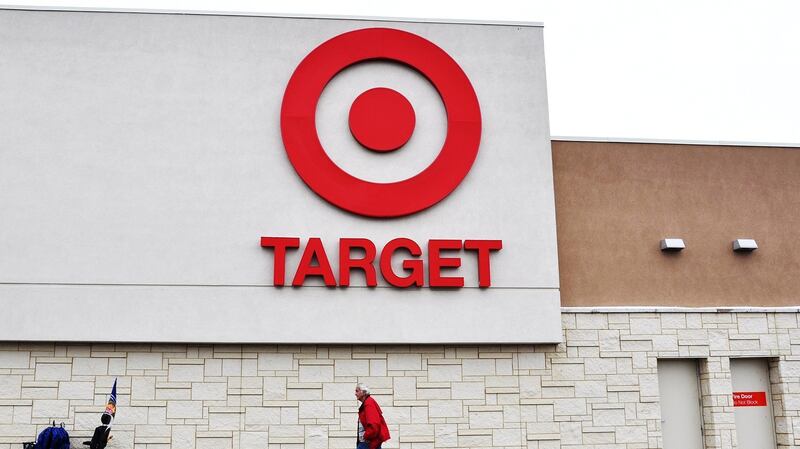
Some of America's biggest fashion retailers have remained open throughout the Covid-19 crisis — not that it's done the industry much good. Target, Walmart and Amazon have seen surging sales as consumers stock up on essentials. Clothing hasn't made the cut; Target said last week that, while sales were up 7 percent overall and had doubled online, apparel and accessories had plunged by 40 percent in April. Amazon even slowed or halted shipping orders of non-essential items to speed delivery of food and health products, though that bottleneck appears to be easing. Beauty has fared a bit better, as some cosmetics and skin-care products are seen as affordable luxuries that can be tossed in the cart along with the toilet paper and pasta.

The Bottom Line: Fashion's lack of traction at Target is a sign that the apparel industry will be slow to bounce back even after stores reopen. Shoppers clearly aren't interested in buying clothing, even when it's right in front of them.

SUNDAY READING

Professional Exclusives You May Have Missed: 

The Week Ahead wants to hear from you! Send tips, suggestions, complaints and compliments to brian.baskin@businessoffashion.com

Was this BoF Professional email forwarded to you? Join BoF Professional to get access to the exclusive insight and analysis that keeps you ahead of the competition. Subscribe to BoF Professional here.  

© 2026 The Business of Fashion. All rights reserved. For more information read our Terms & Conditions

More from Retail
Analysis and advice from the front lines of the retail transformation.

The New Reality of Shipping to Saks

While $1.75 billion in court-approved funding has brought labels back to the fold, the real test for vendors will come when that temporary safety net vanishes later this year.


The Step-by-Step Guide to Brand Elevation | Case Study

A growing number of mass and premium brands are pushing upmarket with a more luxe look, better materials and, often, higher prices. This case study unpacks how these labels are navigating the tricky challenge of elevating a brand.


view more
Latest News & Analysis
Unrivalled, world class journalism across fashion, luxury and beauty industries.

Can Big Luxury Find Its New Look?

Sex sells — if anyone can figure out what sexy means in 2026. Robert Williams tracks the search for a new silhouette at Kering’s Gucci, LVMH’s Dior and more.


VIEW MORE
Agenda-setting intelligence, analysis and advice for the global fashion community.
CONNECT WITH US ON