
Agenda-setting intelligence, analysis and advice for the global fashion community.
Agenda-setting intelligence, analysis and advice for the global fashion community.

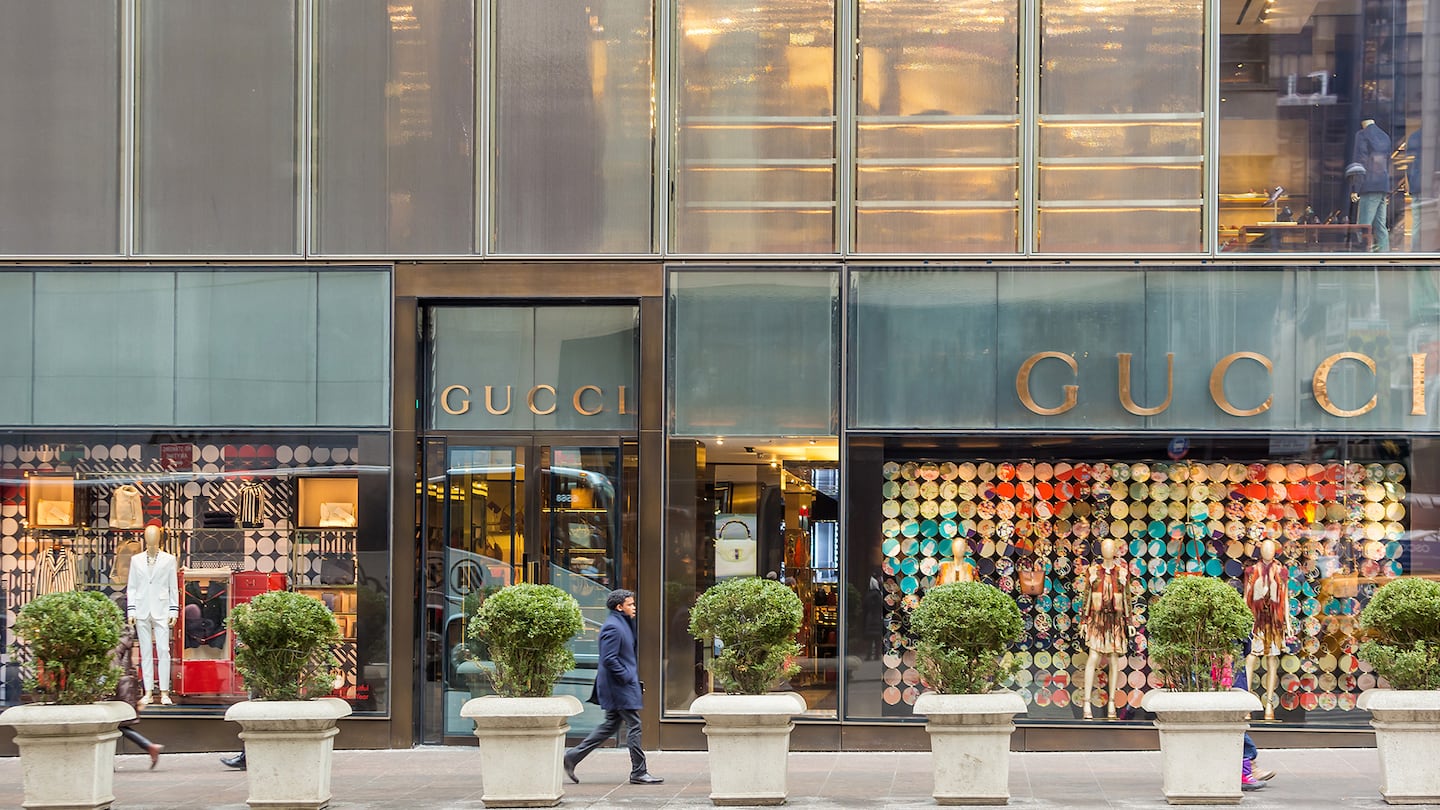
The American consumer has helped luxury brands power through the pandemic, Putin’s invasion of Ukraine and other global crises. Even now, as the International Monetary Fund cuts its global growth forecast, China’s economy cools and Europe prepares for a winter without Russian gas, analysts are raising their outlook for the biggest labels. Last week, LVMH said sales raced ahead of expectations, thanks in large part to American tourists splurging on Vuitton and Dior in Europe, where their dollars go further than they have in decades. This week, Kering and Hermès have their turns.
These companies are doing everything they can to make the most of the US-led boom. They’re holding fashion shows and exhibitions in New York, Los Angeles and other major markets. Executives frequently fly over to wine and dine top American customers. They’re also opening new stores at a rapid pace, with an emphasis on mid-sized cities like Nashville or Austin that were previously underserved.
The coming months will put that strategy to the test. The US is looking less immune to the economic turbulence that has hit China and Europe this year. Last week’s inflation reading came in higher than anticipated, all but ensuring the Federal Reserve will step up efforts to cool the economy. Luxury brands risk hitting a saturation point in the US just as the spigot is about to be turned off. Stocks are in a bear market.
Which brings us to the companies reporting results this week. Kering in particular has made no secret that it is all-in on America, with plans to open many more stores for its brands. Those locations are sure to see a big initial rush of business from customers, particularly when they’re in cities where residents previously had to drive hours or hop on a plane to get their Gucci in person. In the medium term, the success of this strategy hinges on the fate of the wider economy. It’s true that luxury brands’ biggest clients have shown they’ll keep spending no matter what (hence the reason the private client business is one of the pillars of most companies’ US expansion plans). But the entry level customers flocking to new stores in Ohio or Louisiana to buy bags, wallets and T-shirts may go back to window shopping as the Fed’s hawkish policies take effect.
ADVERTISEMENT
Analysts are likely to raise this point with Kering executives after the company releases results on Thursday. The company’s long-term strategy is sound — the American economy doesn’t appear headed for a UK-style tailspin and isn’t facing anything near Europe’s energy crunch. But after two years of relying on America, brands may need to start looking elsewhere for growth.
Sunday
The 20th National Congress of the Chinese Communist Party opens; Xi Jinping is expected to secure a third leadership term
Monday
Sephora launches online sales in the UK
Elle’s Women in Hollywood event in Los Angeles
Wednesday
The European Fashion Alliance’s annual summit begins in Gran Canaria
ADVERTISEMENT
Asos reports quarterly results
Thursday
The Swiss watch industry reports exports for September, a key measure of global sales for luxury timepieces
Kering and Hermes reports quarterly results
Friday
Brunello Cucinelli reports quarterly results
The Week Ahead wants to hear from you! Send tips, suggestions, complaints and compliments to brian.baskin@businessoffashion.com.
Sex sells — if anyone can figure out what sexy means in 2026. Robert Williams tracks the search for a new silhouette at Kering’s Gucci, LVMH’s Dior and more.
Strong growth at Miu Miu helped lift results, but the Italian luxury group said that integrating Versace will weigh on margins in the near term as it begins the turnaround of the struggling brand
After Swatch Group launched an attack on Morgan Stanley’s influential annual watch report, Swatch-owned Tissot cracks open the door for a glimpse at some numbers and Robin Swithinbank says it’s time a secretive industry came clean on financials.
Half a year after Giorgio Armani’s death, it appears to be business as usual at the sprawling fashion empire while potential investors continue to circle with no firm bid in sight.
Her third runway show for the brand is a growth spurt for Sarah Burton, writes Tim Blanks.
From Loewe to Yohji Yamamoto, the fifth day of Paris fashion week featured recently installed designers rolling out fresh identities and unbeatable masters being themselves.
The Supreme Court did not say how the collected tariffs should be refunded when it struck Trump’s economic policy down as unconstitutional last month, leaving small importers worried the process would be expensive and time-consuming.
Escalating conflict in the Middle East is exposing how quickly geopolitics can disrupt even luxury’s most carefully cultivated retail hubs.