
Agenda-setting intelligence, analysis and advice for the global fashion community.
Agenda-setting intelligence, analysis and advice for the global fashion community.

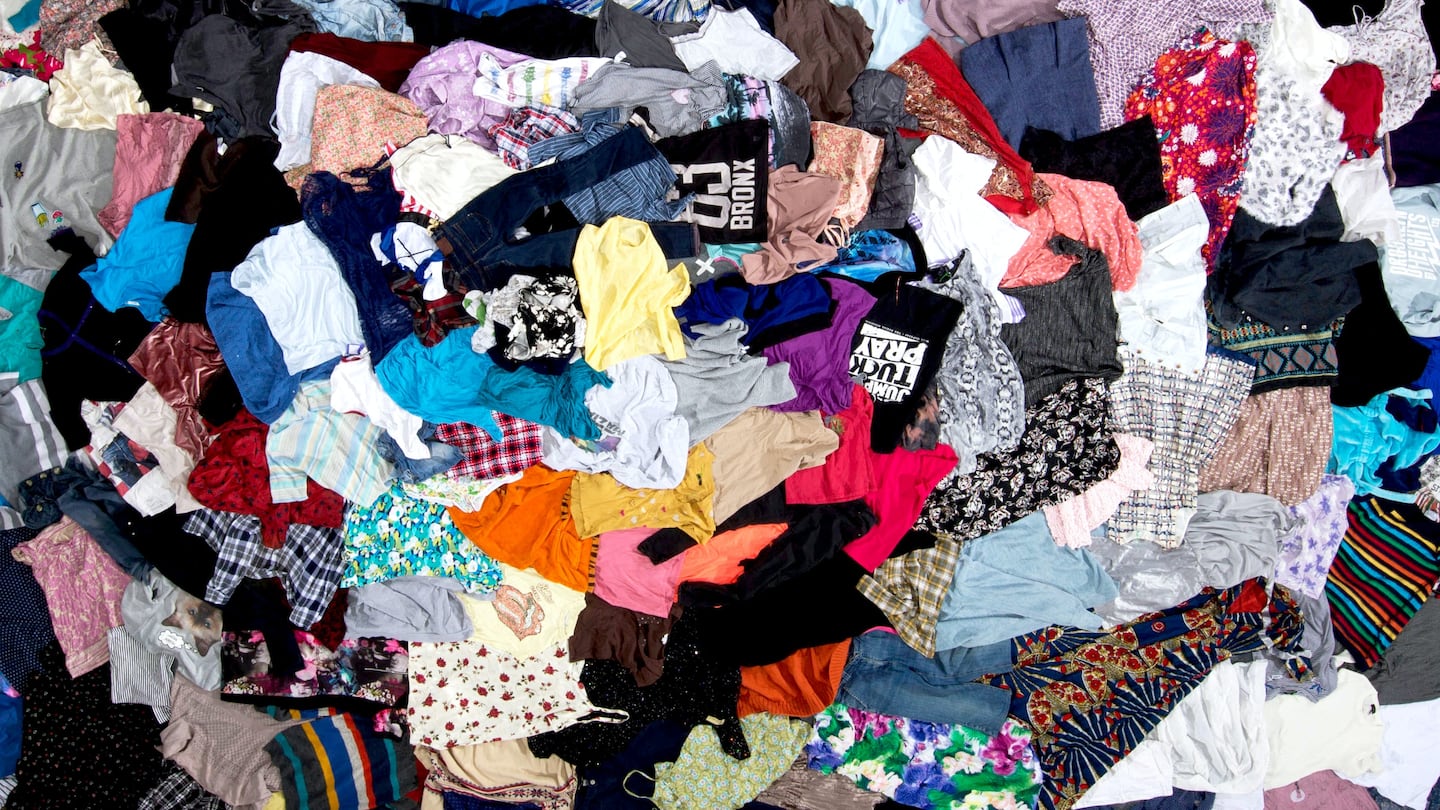
LONDON, United Kingdom — The UK government will not adopt recommendations for tougher regulation of the fashion industry, including a proposed levy on clothing sales to help tackle the sector's climate impact.
Earlier this year, members of the cross-party Environmental Audit Committee called on the government to enact a raft of new policies to tackle fashion’s environmental and social challenges. Following a months-long investigation, the committee concluded that many fast-fashion retailers were not doing enough to tackle “unsustainable” and “exploitative” industry practises. It called on the government to create financial incentives for brands to reduce their environmental footprint and put in place stricter requirements to police supply chains.
In its response, the government said it is already working with the industry to reduce waste and has stepped up efforts to ensure all British workers are paid at least a minimum wage. It is still considering future policy measures like extended producer responsibility and better product labelling.
The government’s softer-touch approach comes as parts of the fashion sector in the UK face intense financial pressure. The high street is struggling to compete with disruptive and highly competitive online brands, with retail giants like Topshop-owner Arcadia scrambling to avoid bankruptcy.
ADVERTISEMENT
While there’s growing awareness of the negative environmental and social consequences of fashion, the industry is big business in the UK. It contributes around £30 billion ($38 billion) to the British economy each year and the retail sector is the country’s largest private-sector employer.
The EAC criticised the governments decision to reject its recommendations.
“The government has rejected our call, demonstrating that it is content to tolerate practices that trash the environment and exploit workers despite having just committed to net zero emission targets,” Environmental Audit Committee Chair Mary Creagh said. “Ministers have failed to recognise that urgent action must be taken to change the fast fashion business model which produces cheap clothes that cost the earth.”
Related Articles:
[ UK Takes Aim at Fashion’s Sustainability ProblemOpens in new window ]
[ Kering Tapped by French President to Unite Brands Behind Sustainability GoalsOpens in new window ]
[ In Search of a Business Case for SustainabilityOpens in new window ]
Coach-owner Tapestry’s new carbon-removal partnership and brands making fresh commitments to textile-to-textile recycling startups show an industry searching for ways to address its environmental impact.
A new group of brand partners, including Reformation and C&A, is joining the poly-cotton recycler’s long-term commercialisation program only weeks after its debut, signalling growing demand as the company gears up for industrial-scale production in Europe.
The consumer base for activewear made of natural materials like cotton and wool is growing, as more people on the political right join progressives in worrying about the health effects of polyester and other synthetics.
The sustainable materials company, which closed its Swedish factory in 2024, is opening it again after a year of restructuring.
The activewear giant seems intent on turning its nearly 40-year-old niche outdoor fashion brand into a mainstream success. The plan hinges on convincing backpackers and athletes its rugged technical gear can perform just as well as The North Face or Arc’teryx.
It’s not an existential crisis — yet — but Rick Owens and Daniel Roseberry confront some headscratchers in their latest collections.
Stick with the program or switch it up? Angelo Flaccavento reports on Chloé, Rabanne, Schiaparelli, Rick Owens and Uma Wang.
The brands Gap and Banana Republic beat comparable sales estimates.


