
Agenda-setting intelligence, analysis and advice for the global fashion community.
Agenda-setting intelligence, analysis and advice for the global fashion community.

The Norwegian Consumer Authority has found outerwear brand Norrøna’s use of data from the Higg Index to back up environmental claims is misleading to consumers and warned H&M Group against using the same type of marketing.
The decision comes amid mounting scrutiny of big fashion companies’ sustainability claims, as concerns about greenwashing attract greater regulatory interest. It also deals a blow to the Higg Index, a widely used suite of tools developed by trade group the Sustainable Apparel Coalition.
Norrøna referred to the SAC for comment. The organisation said it is reviewing the NCA’s findings. H&M Group did not immediately respond to request for comment.
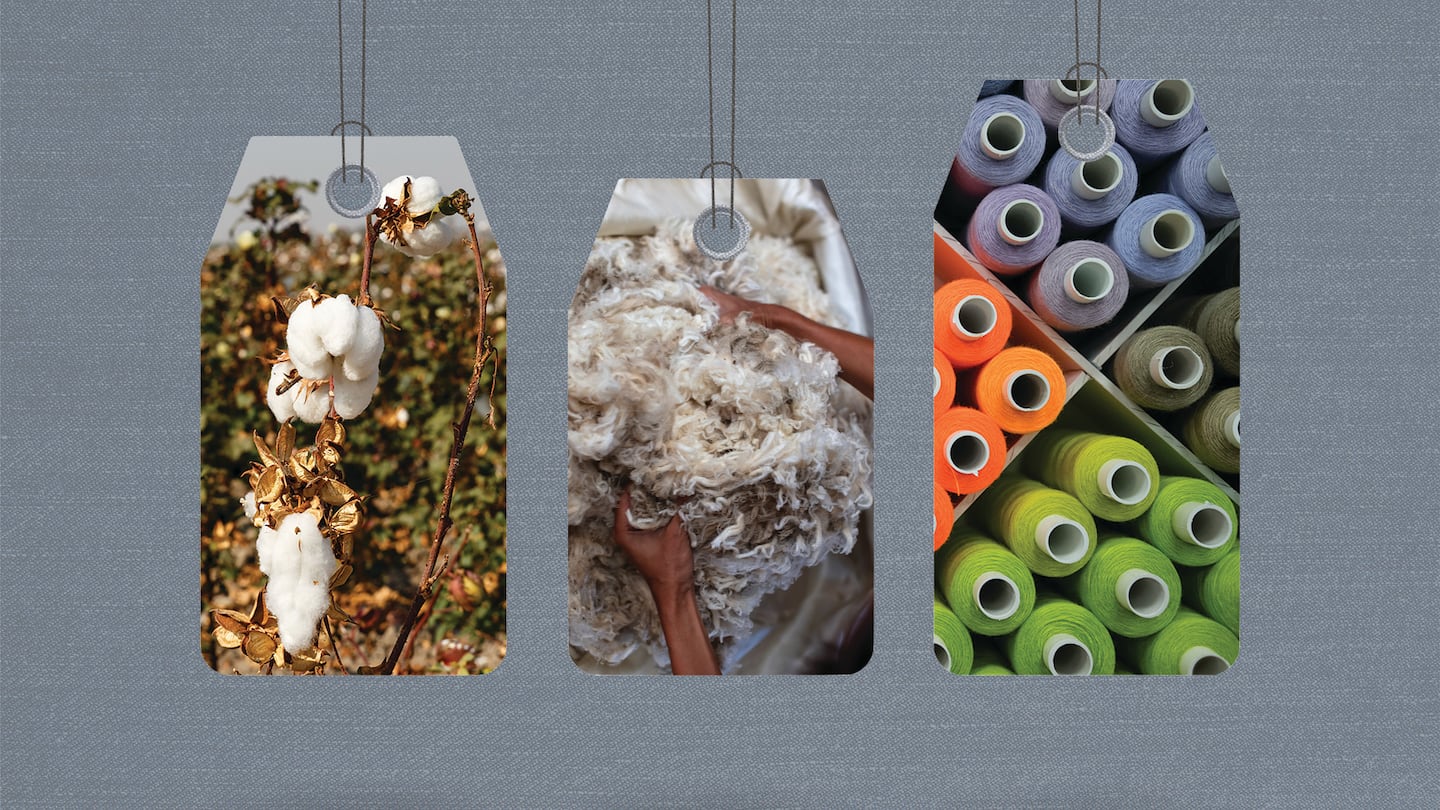
Norrøna was among the first to use a consumer-facing product labelling tool introduced by the SAC last year, using data from the Higg Index’s materials module to show shoppers how a handful of its organic cotton T-shirts measured up on environmental factors like water use and global warming, compared to an equivalent T-shirt made from conventional cotton.
ADVERTISEMENT
The Norwegian consumer watchdog found the data provided by the Higg Index misleads consumers when used in this way. Though Norrøna’s marketing gives the impression an organic cotton T-shirt has a significantly lower environmental impact than one made with “ordinary” cotton, the authority said it could not find evidence for such a claim.
The decision is mainly due to the fact that the Higg Index’s materials module provides information about the average environmental impact of a particular material, not a specific product, the NCA said. But it also criticised limitations in the methodology and the fact that the underlying data is partly outdated. Norrøna must change or remove its marketing referencing data from the Higg Index by Aug. 14, the NCA said.
While Norway’s consumer watchdog only investigated Norrøna’s marketing, it also wrote to H&M Group warning the company to ensure it is not using the same kind of marketing by Sept. 1 or risk economic sanction. The Swedish fast-fashion giant is among the companies that have used Higg data in consumer marketing. Meanwhile, the SAC received a warning that it could be held responsible if its members use Higg data as a basis for environmental claims in their marketing.
The finding plays into an increasingly urgent debate over what “sustainable fashion” really means and how brands can back up any marketing. The SAC has sought to position the Higg Index as a suite of tools that can underpin such claims, but critics have argued the tools are not fit for use in marketing messages in line with the NCA’s decision.
European efforts to introduce standardised rules governing how brands back up environmental claims are fuelling a heated debate that stands to create winners and losers.
The certifications and standards widely used to lend credibility to big brands’ sustainability claims are coming under fire, as environmental campaigners seek to influence new policy initiatives.
The launch of Higg’s consumer-facing product profiles is a step towards a more transparent, unified framework for talking about the impact of our clothes. But longstanding criticism of the initiative behind this programme points at wider tensions in the industry.

Sarah Kent is Chief Sustainability Correspondent at The Business of Fashion. She is based in London and drives BoF's coverage of critical environmental and labour issues.
Coach-owner Tapestry’s new carbon-removal partnership and brands making fresh commitments to textile-to-textile recycling startups show an industry searching for ways to address its environmental impact.
A new group of brand partners, including Reformation and C&A, is joining the poly-cotton recycler’s long-term commercialisation program only weeks after its debut, signalling growing demand as the company gears up for industrial-scale production in Europe.
The sustainable materials company, which closed its Swedish factory in 2024, is opening it again after a year of restructuring.
The consumer base for activewear made of natural materials like cotton and wool is growing, as more people on the political right join progressives in worrying about the health effects of polyester and other synthetics.
Christine Hunsicker admitted she falsified financial statements to promote CaaStle Inc. as a valuable, growing business when in reality it was struggling.
The American cosmetic giant’s buyout of Ayurvedic beauty line Forest Essentials came as a surprise. By picking an under-the-radar brand it knows well, the company can show that it’s still in the M&A game without needing to outbid rivals.
The underwear company is anticipating net sales of at least $6.85 billion in the current fiscal year, exceeding analyst estimates and marking the highest revenue since its split from L Brands Inc in 2021.
The Japanese brand is accelerating its expansion in India to capture a greater share of the rapidly growing apparel market and affluent consumer base.


