
Agenda-setting intelligence, analysis and advice for the global fashion community.
Agenda-setting intelligence, analysis and advice for the global fashion community.

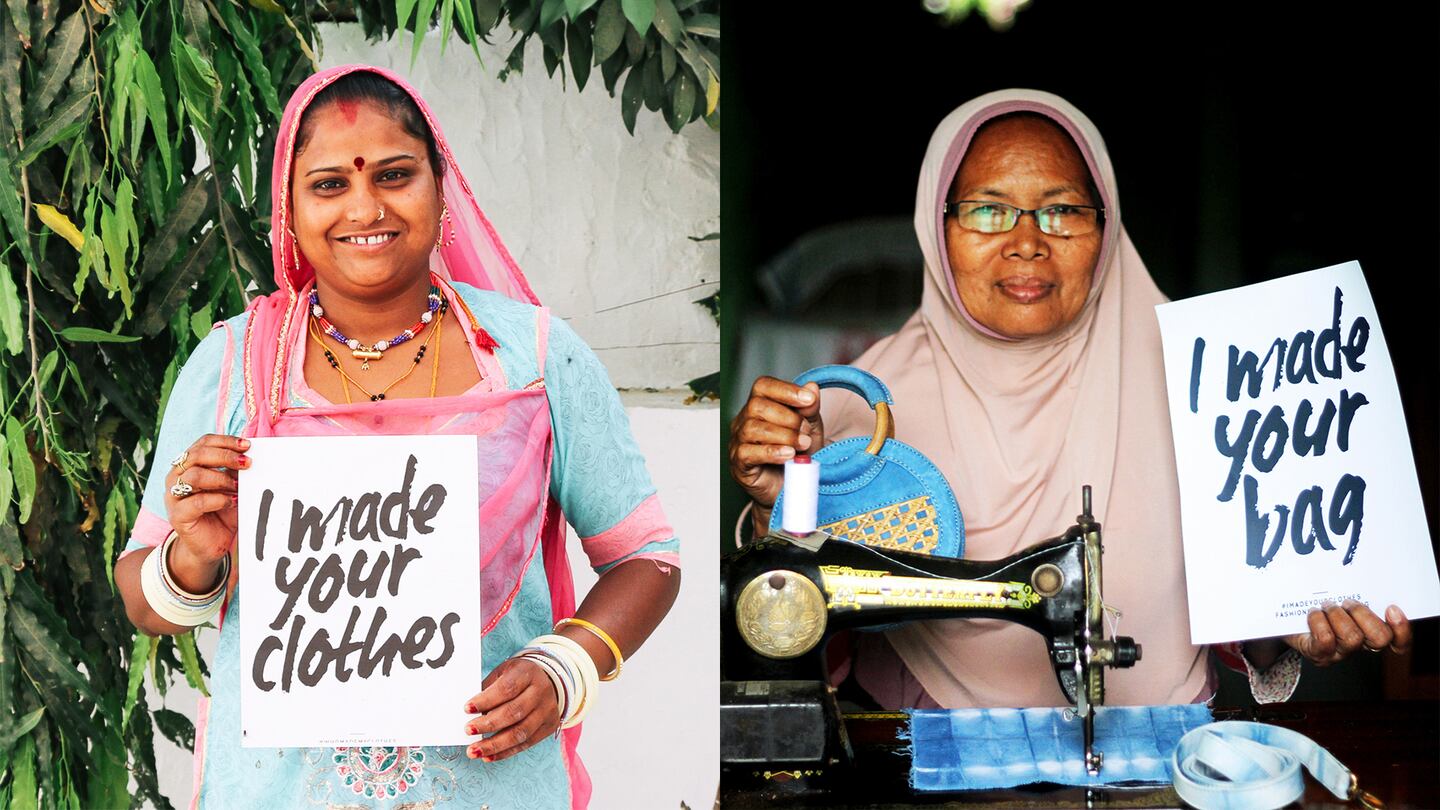
The pandemic shone an unflattering light on the fashion industry, as many brands’ panicked rush to cancel orders cascaded through the supply chain. The impact fell hardest on the vast workforce of largely female and poorly paid workers who labour in fashion’s factories.
Reports of mass layoffs, wage theft, union-busting and destitution for many who work in the industry sparked outrage among consumers and prompted brands to redouble commitments to sustainable and ethical business practices.
But more than a year since the start of the pandemic, those claims exist in an accountability vacuum, with brands still providing little information to back them up, according to Fashion Revolution’s annual Fashion Transparency Index.
Given “the devastating impact that a lot of brands’ order cancellations have had on their suppliers and their workers, I really thought that this would be something that was addressed upfront by more brands,” said Sarah Ditty, Fashion Revolution’s global policy advisor and author of the Fashion Transparency Index report. But “we actually found very little disclosure.”
ADVERTISEMENT
The annual report analyses public disclosures to rank 250 of the world’s biggest fashion companies on their environmental and social performance, commitments and impact in their own operations and supply chains.
On almost every count, consistent and comparable information that would allow consumers, investors and regulators to understand how the industry is performing remains unavailable, the report found.
Brands are scored out of a possible 250 points, but no brand achieved above 80 percent this year. The average overall score stood at just 23 percent, unchanged from 2020, in part because after six years of assessment Fashion Revolution has tightened its criteria to put greater emphasis on information that demonstrates how brands are implementing policies, rather than on whether they simply have the policies at all. That also helped double the number of brands who scored no points at all compared to last year. Fashion Nova, Tom Ford, Tory Burch and Max Mara, were among the 20 brands to fall into this category.
Though brands are under increasing pressure to demonstrate they are treating suppliers fairly, honouring contract terms and negotiating prices that can support fair and stable wages in the wake of the pandemic, they provide almost no information on their purchasing practices, the report found.
Just 18 percent of the world’s biggest brands have publicly shared data on order cancellations, and even fewer (14 percent) disclosed the level of discounting they applied to supplier payments over the course of last year. Ninety-nine percent of brands still do not disclose how many workers in their supply chains receive a living wage.
Diversity and inclusion is another area where the report found high-profile commitments are not backed up with tangible information. While many brands rushed to make sweeping statements of solidarity and commitments to address institutional racism over the course of the last year, only 12 percent of those profiled in the Index were found to have published details about the actions they have taken to promote racial equality.
Brands are providing little information about how they are tackling environmental issues, too. For instance, though most of fashion’s environmental impact takes place in its supply chain, most brands only disclose information about emissions in their own operations.
“[Given] the urgency of the climate crisis, [and] how many big brands are talking about environmental issues, we thought we’d see more concrete data being shared about brands environmental impact,” Ditty said.
ADVERTISEMENT
In some cases, there are signs of progress.
Italian retailer OVS displaced H&M as the highest-scoring brand with a score of 78 percent, a 44 percentage point increase from last year. Gucci became the first luxury brand in the Index’s history to feature in the top 10 with a score of 56 percent, reflecting in part increased transparency about its suppliers. Meanwhile, ultra-fast fashion giant Boohoo and sister brand Pretty Little Thing jumped from a score of 9 percent to 20 percent, on the back of steps taken following a scandal over labour abuse in parent company Boohoo Group’s supply chain last year. The brands still came in below the average score of 23 percent.
Supply chain transparency in particular has increased, amid mounting concerns over forced labour and renewed scrutiny of how and where brands are producing their clothes. Nearly half of all brands now disclose finished garment suppliers and 19 brands, including luxury players Zegna, Gucci, Fendi and Prada Group, did so for the first time this year. Disclosure is less robust deeper into the supply chain, however, with only 27 percent of brands publishing some of their processing facilities (such as mills and dye houses) and 11 percent providing any details on raw materials suppliers.
“Progress has been made but it’s still too slow,” said Ditty, who pointed to the need for greater regulation of the industry to drive necessary change. “We need legislation to move the laggards.”
Related Articles:
Fashion’s Long Road to Transparency
When It Comes to Social and Environmental Transparency, Fashion Continues to Fall Short
Coach-owner Tapestry’s new carbon-removal partnership and brands making fresh commitments to textile-to-textile recycling startups show an industry searching for ways to address its environmental impact.
A new group of brand partners, including Reformation and C&A, is joining the poly-cotton recycler’s long-term commercialisation program only weeks after its debut, signalling growing demand as the company gears up for industrial-scale production in Europe.
The consumer base for activewear made of natural materials like cotton and wool is growing, as more people on the political right join progressives in worrying about the health effects of polyester and other synthetics.
The sustainable materials company, which closed its Swedish factory in 2024, is opening it again after a year of restructuring.
It’s not an existential crisis — yet — but Rick Owens and Daniel Roseberry confront some headscratchers in their latest collections.
Stick with the program or switch it up? Angelo Flaccavento reports on Chloé, Rabanne, Schiaparelli, Rick Owens and Uma Wang.
The brands Gap and Banana Republic beat comparable sales estimates.
Sex sells — if anyone can figure out what sexy means in 2026. Robert Williams tracks the search for a new silhouette at Kering’s Gucci, LVMH’s Dior and more.


