
Agenda-setting intelligence, analysis and advice for the global fashion community.
Agenda-setting intelligence, analysis and advice for the global fashion community.

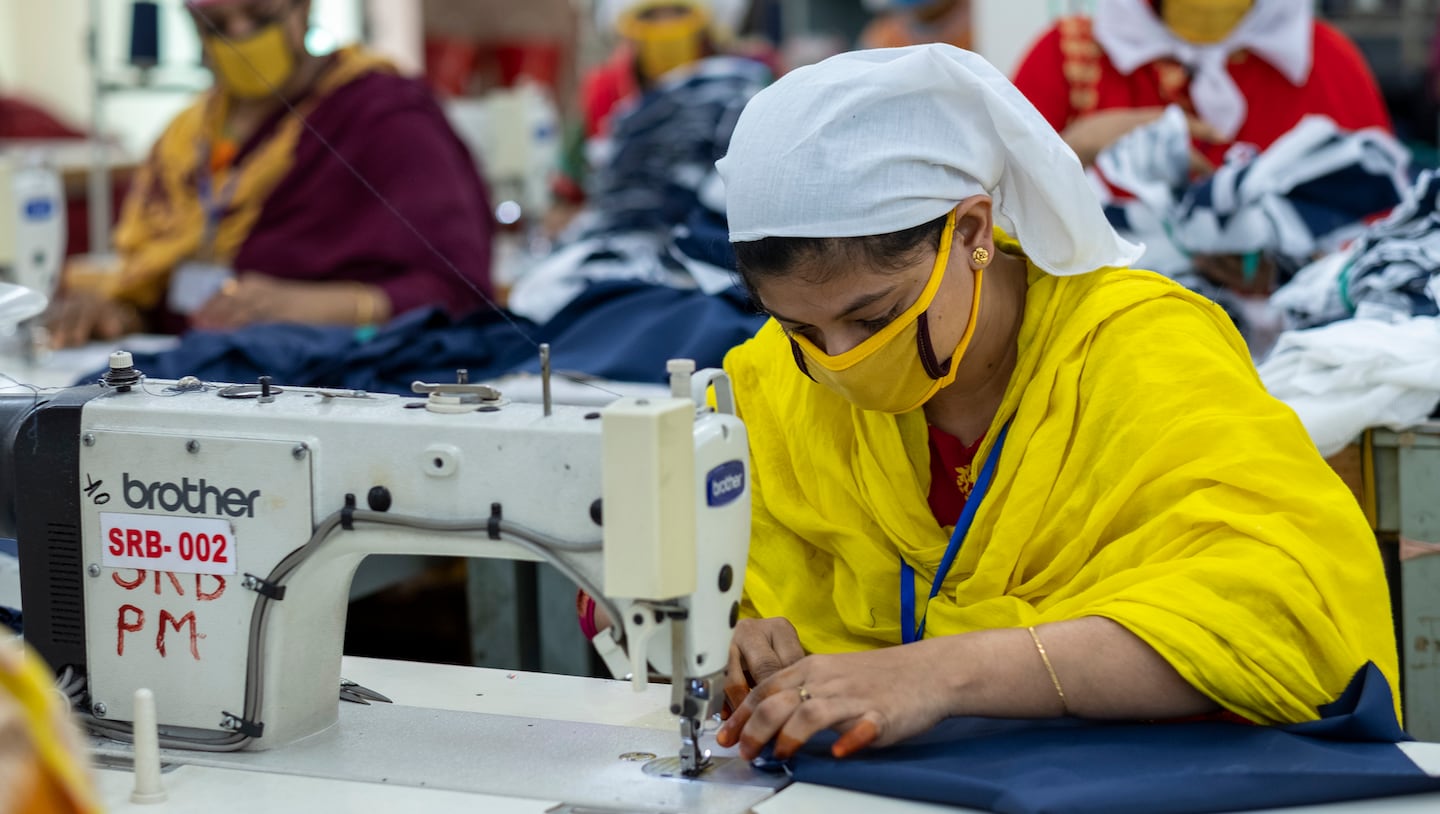
The fashion industry is facing a greenwashing reckoning, ratcheting up the pressure on brands to go public with information to back up their sustainability claims. They have a long way to go. In fact, many companies are still failing to disclose the “bare minimum,” according to this year’s Fashion Transparency Index.
The annual report from labour rights advocacy group Fashion Revolution assesses public disclosures on human rights and environmental issues from 250 of the world’s largest brands. Companies are scored out of a possible 250 points, which are then converted to percentages.
The average score in this year’s report was 26 points out of 100, up just 2 points from a year ago.
Gucci and Italian mass market retailer OVS were the best-performing brands — and the first two companies to score 80 points or higher in the seven-year history of the report.
ADVERTISEMENT
But even the top-scoring brands in the Index still lack disclosure on important topics relating to labour rights, gender and racial equality, production and waste volumes, deforestation and pollution, the report found.
Nearly a third of the companies assessed scored 10 points or less and 18 companies scored nothing at all, including Chinese sportswear brand Anta, Rihanna’s lingerie label Savage X Fenty and Tom Ford.
“The unimpressive progress here is worrisome in the face of deepening social inequality, environmental destruction and various incoming legislations,” said Fashion Revolution policy and research manager Liv Simpliciano. “Even 100 percent transparency is only the starting point and it seems many major fashion brands have yet to even show up to the race.”
To be sure, growing regulatory pressure is prompting progress in some areas. For instance, policy moves led by the EU are pushing more companies to provide information on social and environmental due diligence efforts, the report found. Nearly 70 percent of brands are disclosing how they manage human rights risks and nearly 50 percent are doing the same for environmental risks, according to the FTI.
On the other hand, information on the impact of brands’ efforts is much more scarce. “[Without transparency] we will not be able to understand where malpractice happens or how to ameliorate the supply chain and the lives of the people who make our clothes,” Fashion Revolution co-founder Orsola de Castro said in a video. “We are still stuck at level one.”
One area where companies remain particularly tight-lipped is the subject of overproduction, despite growing regulatory pressure to tackle the growing piles of clothing waste mounting up in landfills around the world. Nearly 90 percent of brands examined by the FTI still do not disclose annual production volumes, the report found. Policy proposals that might force companies to provide more information about volumes of unsold and discarded inventory have raised objections from the industry, which claims such data is “highly sensitive.”
“Mounting evidence of overproduction remains the big elephant in the room,” Fashion Revolution said in a press release. “Brands absolutely know how much they are producing; what business can survive without this information? The continued lack of transparency begs the question, what’s being hidden?”
The industry’s biggest players still aren’t disclosing basic data about environmental and social impact, putting them in the firing line as regulators look to crack down on greenwashing.
This week, the Sustainable Apparel Coalition suspended the use of its product labels, employed by companies like H&M and Amazon, as concerns over greenwashing engulfed one of the industry’s top sustainability tools.
The environmental damage and waste created by throwaway fast fashion is ‘absolutely unacceptable,’ environment commissioner Virginijus Sinkevičius told BoF.

Sarah Kent is Chief Sustainability Correspondent at The Business of Fashion. She is based in London and drives BoF's coverage of critical environmental and labour issues.
Coach-owner Tapestry’s new carbon-removal partnership and brands making fresh commitments to textile-to-textile recycling startups show an industry searching for ways to address its environmental impact.
A new group of brand partners, including Reformation and C&A, is joining the poly-cotton recycler’s long-term commercialisation program only weeks after its debut, signalling growing demand as the company gears up for industrial-scale production in Europe.
The sustainable materials company, which closed its Swedish factory in 2024, is opening it again after a year of restructuring.
The consumer base for activewear made of natural materials like cotton and wool is growing, as more people on the political right join progressives in worrying about the health effects of polyester and other synthetics.
Christine Hunsicker admitted she falsified financial statements to promote CaaStle Inc. as a valuable, growing business when in reality it was struggling.
The American cosmetic giant’s buyout of Ayurvedic beauty line Forest Essentials came as a surprise. By picking an under-the-radar brand it knows well, the company can show that it’s still in the M&A game without needing to outbid rivals.
The underwear company is anticipating net sales of at least $6.85 billion in the current fiscal year, exceeding analyst estimates and marking the highest revenue since its split from L Brands Inc in 2021.
The Japanese brand is accelerating its expansion in India to capture a greater share of the rapidly growing apparel market and affluent consumer base.


