Agenda-setting intelligence, analysis and advice for the global fashion community.
Agenda-setting intelligence, analysis and advice for the global fashion community.

In the US, the overall job market is finally catching up with the apparel sector.
Last week, the US Bureau of Labor Statistics reported that employment fell by 92,000 jobs over the month of February, well below analyst expectations of an increase of 59,000 jobs. Unemployment ticked up to 4.4 percent.
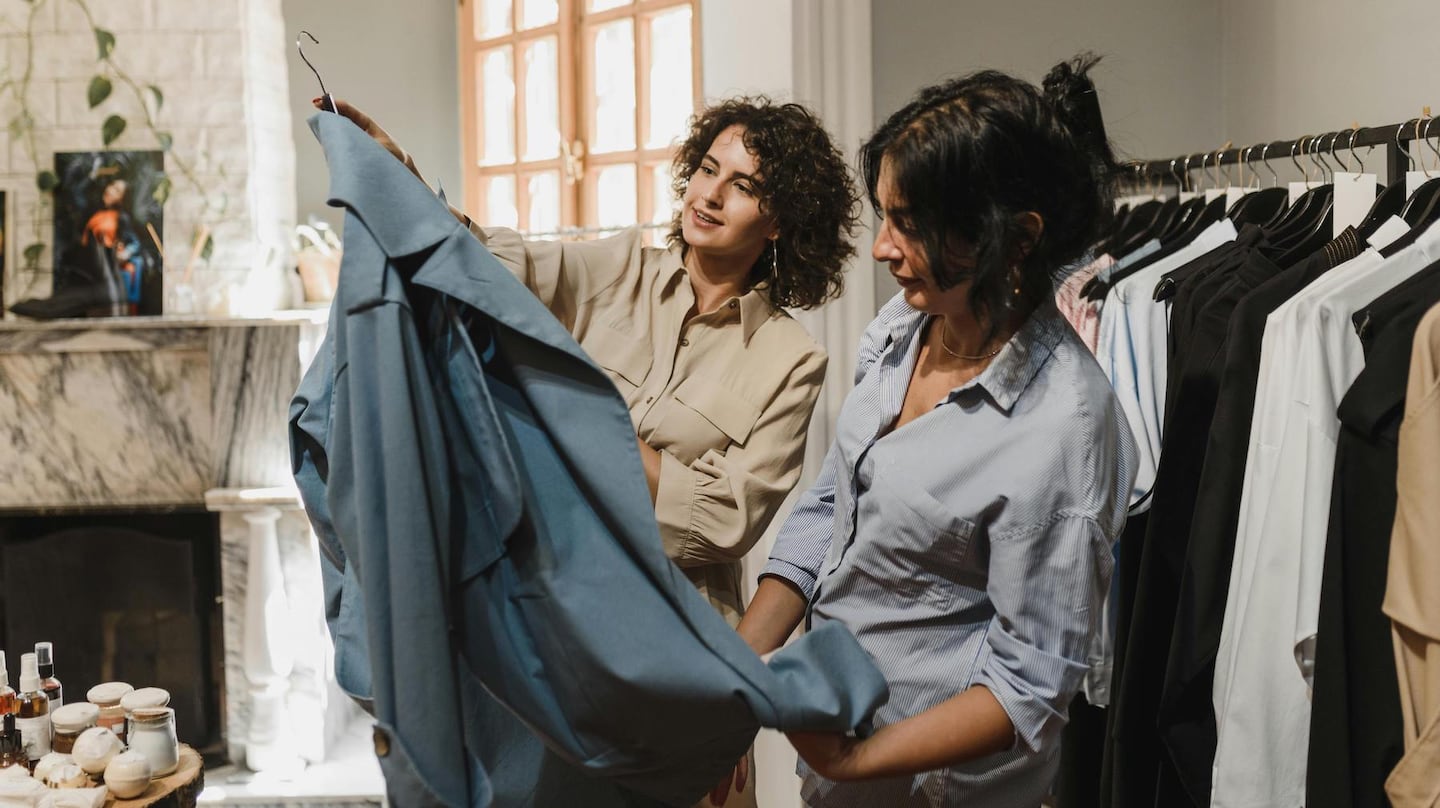
In retail, however, the labour market has been weak for far longer, with the number of jobs in the sector virtually unchanged since early 2023. That remained the case last month; in fashion and jewellery, the number of jobs was almost flat.

The irony is that the stagnant jobs market has unfurled against a backdrop of strong consumer spending on apparel.
ADVERTISEMENT
“For better or for worse, healthy or not, the US consumer is overly resilient,” said Simeon Siegel, senior managing director and senior analyst of retail and e-commerce at Guggenheim Partners.

But while people are continuing to spend, the retail landscape is changing.
The sector has faced pressures from rising costs, including post-pandemic inflation and the Trump administration’s tariffs. Companies including Forever 21, Claire’s, Eddie Bauer, Ssense and Saks Global have filed for bankruptcy within the last year. That, in turn, has spurred job cuts and store closures: Saks was the latest, recently announcing it would shutter more than a dozen department stores and all of its off-price locations.
Meanwhile, the implementation of in-store tech like RFID, which allows retailers to more easily manage inventory and provide self-checkout options to customers, has reduced some hiring needs.
Many consumers, whose wallets have tightened during a K-shaped economy, may not be purchasing more items, but rather simply be eating the cost of tariff-induced price hikes. Even after the US Supreme Court curtailed Trump’s aggressive trade policy last month, those prices aren’t likely to be rolled back.
“You’re seeing a pressure point on costs and margins for the companies, but you are seeing a lot of companies call out higher prices in a way they have not been able to do for some time,” said Siegel.

Another threat to retail jobs is growth in e-commerce, whose share of total retail sales is on an upswing. According to the US Census Bureau, the third quarter of 2025 — the most recently reported — was the first to surpass the e-commerce spike seen in the second quarter of 2020, with e-commerce sales accounting for 16.4 percent of total sales. And while overall month-on-month retail sales rose 3 percent in January 2026, non-store retailers jumped 10.9 percent over the same period.

Regardless of US consumers’ spending behaviour, continued employment stagnation in retail is an unwelcome sign for many, including fashion’s early-career professionals, who are increasingly looking to paths like retail to stand out in a tight entry-level job market.
ADVERTISEMENT
While it’s possible retail employment could return to growth, there’s little clarity about when that might happen, said Sonia Lapinsky, partner, managing director and leader of fashion retail at AlixPartners.
“We’re seeing people come into stores, but they’re not spending or converting,” she said. “We’re not totally confident because there’s just so much disruption and uncertainty right now.”
Join us on Tuesday, March 17 at 15:00 GMT / 10:00 EST for the next BoF Professional Masterclass on The State of Fashion 2026.
Nordstrom’s co-CEO and president joins Imran Amed to discuss the retailer’s 125-year history, why he believes the department store model still works and how taking the company private is shaping the company’s next chapter.
While $1.75 billion in court-approved funding has brought labels back to the fold, the real test for vendors will come when that temporary safety net vanishes later this year.
A growing number of mass and premium brands are pushing upmarket with a more luxe look, better materials and, often, higher prices. This case study unpacks how these labels are navigating the tricky challenge of elevating a brand.
Stylists Emily Current and Merritt Elliott had an instant success and a quick exit with their denim brand Current/Elliott in the 2010s. For their second venture, The Great, they’re taking an alternative approach.
A disappointing US employment report surprised economists and investors, but was old news for the apparel sector, where the labour market has stagnated for years.
Matthieu Blazy’s never-ending research into Gabrielle Chanel’s words and deeds powered another spectacular, varied collection of looks that both ‘crawl’ and ‘fly.’
The tension between function and fiction ran through collections from Gabriela Hearst, Chanel and more on the eighth day of Paris Fashion Week, reports Angelo Flacaavento.


