
Agenda-setting intelligence, analysis and advice for the global fashion community.
Agenda-setting intelligence, analysis and advice for the global fashion community.

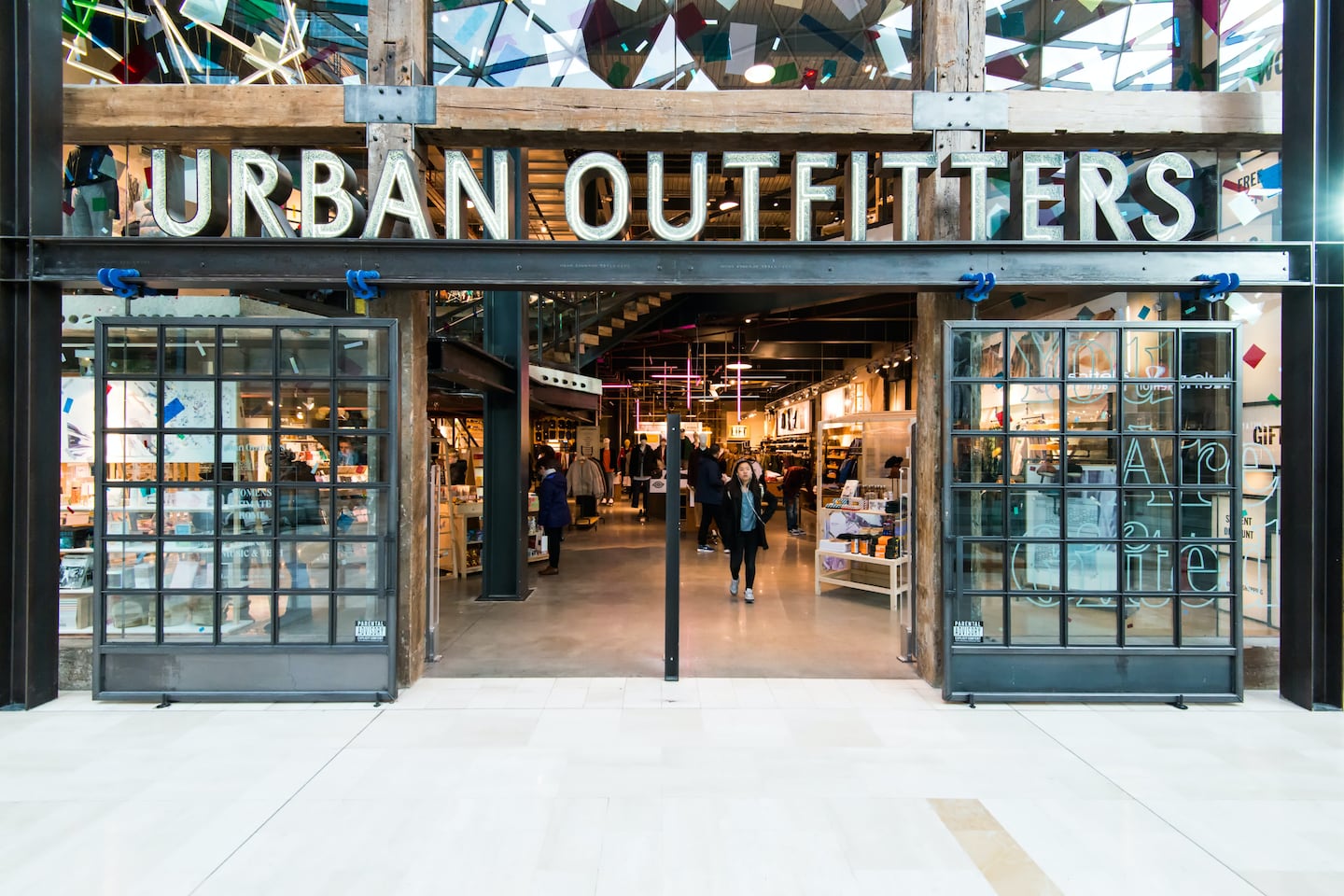
The fashion retailer Urban Outfitters, the bed specialist Dreams and the operator of several Royal Parks cafes have been criticised for the use of the gig economy app Temper to take on staff – some of whom can end up earning below minimum wage.
The TUC is urging the government to bring forward promised reforms to protect gig economy workers amid concerns that those hired by apps such as Temper are missing out on significant employment rights including sick pay, rest breaks, holiday pay and a minimum hourly rate.
It suggested that such apps are leading to bogus self-employed roles. “We find it hard to see how roles like shop assistant can be self-employed,” the trade union body said.
A year ago a number of major high street chains including Lush and Uniqlo stopped using apps such as Temper and the now defunct YoungOnes to take on freelancers, after outrage over the spread of gig economy working into the retail sector.
ADVERTISEMENT
Last week Outernet, the central London music and digital art venue – which was advertising for £13-an-hour ($17-an-hour) temporary “cloakroom hosts” on Temper – said it had removed jobs from the site after being contacted by The Guardian. “This was the first time we used this site and we won’t be again,” a spokesperson said.
The continued use of Temper by retailers and coffee shops indicates that freelancing continues to spread beyond delivery workers, such as Deliveroo riders, to store staff, baristas and warehouse workers.
Charges imposed by Temper to guarantee swift payment – taken up by 80 percent of users according to the app – mean than some workers can receive less than the legal minimum wage for those aged 21 and over of £12.21 ($16.69) an hour. Freelance workers are not guaranteed the minimum wage, unlike employees.
In recent weeks, Urban Outfitters has been advertising a number of posts paying £12.50 ($17.09) an hour – including a stock assistant to help with the annual stock take in Exeter and sales assistants in Gateshead and Birmingham. The latter location has 70 reviews, suggesting it is a regular user of the service.
Workers who take up the Urban Outfitter roles and wish to be paid in fewer than 14 days must pay the 2.9 percent fee, taking their hourly rate down to £12.14 ($16.60), 7p ($.09) an hour below the legal minimum wage for those aged 21 and over.
It was a similar story at Colicci Cafe, a family-owned business that runs cafes in London’s Royal Parks including Richmond Park, wherewas offering as low as £12.50 ($17.09) an hour for barista shifts in recent weeks. Anyone not wishing to wait up to 30 days for payment would have to pay the Temper fee, taking their hourly rate below the legal minimum for most workers.
Urban Outfitters and Colicci did not respond to requests for comment.
Dreams has advertised a number of posts in recent weeks including two paying £12.71 ($17.37) an hour, one of which involves helping delivery drivers with loading and unloading deliveries to customers’ homes and another for receiving and dispatching deliveries in its warehouse until 11pm. It has also offered a delivery driver post at £15.14 ($20.69).
ADVERTISEMENT
However, those who do not wish to wait for up to 60 days to be paid must pay the 2.9 percent fee to Temper – reducing their pay to £12.35 ($16.88) and £13.68 ($18.69) an hour – as they must pay the fee to Temper in order to be paid shortly after their shift instead.
Dreams declined to comment.
Temper has a “Free Security” insurance scheme that covers sick pay, but this falls short of protections workers would be entitled to if they were employed. Temper workers must have worked through the app at least 10 times within the previous three months to receive sick pay, and will only receive such payments after being off for more than two weeks.
Statutory sick pay for employees currently kicks in after three days and from day one from April under new rights guaranteed in the Employment Rights Act.
Paul Nowak, the general secretary of the TUC, said: “Cynical bosses should not be able to exploit gaps in the law to deny workers proper pay and conditions. The historic Employment Rights Act will bring welcome new protections. But without action on bogus self-employment, bad employers will make greater use of legal loopholes and talent platforms to deny workers their rights.”
Temper, which claims it is gaining 1,000 new sign-ups a week through word of mouth, said in a statement: “We fully refute the comment that Temper constitutes ‘bogus’ self-employment.”
It said workers who signed up to its site could enjoy better protections than those on zero-hours contracts, including compensation of half what they would have earned on a shift if it is cancelled with less than 48 hours’ notice.
“Everyone who works via Temper is doing so on a self-employed basis, and this is made clear at sign-up and throughout the app (to both individuals and companies). It’s also the reality of how the platform operates, and people working via Temper: choose which shifts to apply for (or not), negotiate pay, are free to work for multiple clients and platforms and have the right to arrange a substitute to complete a shift.
ADVERTISEMENT
“We are committed to remaining fully compliant with UK employment law. If there are any changes to worker status definitions in the future, we will, of course, adapt our platform and model to remain fully compliant.
“Many people value the flexibility of freelance work, and the challenge for policymakers is to balance flexibility with fairness.”
Temper said it set a “floor” of £12.50 ($17.09) an hour, before fees, for hiring workers via its app and this would rise to £13 ($17.77) for all shifts from Feb. 1. It said applicants were free to negotiate on rates if they believed they were too low and could be taken on full time without any fees.
By Sarah Butler
Legacy retailers like Hollister and Pacsun are finding strong momentum with Gen-Z by doubling down on activations that deliver utility, community and social media shareability.
While $1.75 billion in court-approved funding has brought labels back to the fold, the real test for vendors will come when that temporary safety net vanishes later this year.
A growing number of mass and premium brands are pushing upmarket with a more luxe look, better materials and, often, higher prices. This case study unpacks how these labels are navigating the tricky challenge of elevating a brand.
Brands from Prada to Abercrombie & Fitch will provide clarity on how the fashion industry is approaching the newly uncertain trade landscape. Plus, a preview of Paris Fashion Week.
The goods come from more than 380 brands, including Burberry and those owned by luxury powerhouses LVMH and Kering.
Christine Hunsicker admitted she falsified financial statements to promote CaaStle Inc. as a valuable, growing business when in reality it was struggling.
The American cosmetic giant’s buyout of Ayurvedic beauty line Forest Essentials came as a surprise. By picking an under-the-radar brand it knows well, the company can show that it’s still in the M&A game without needing to outbid rivals.
The underwear company is anticipating net sales of at least $6.85 billion in the current fiscal year, exceeding analyst estimates and marking the highest revenue since its split from L Brands Inc in 2021.
The Japanese brand is accelerating its expansion in India to capture a greater share of the rapidly growing apparel market and affluent consumer base.


