
Agenda-setting intelligence, analysis and advice for the global fashion community.
Agenda-setting intelligence, analysis and advice for the global fashion community.

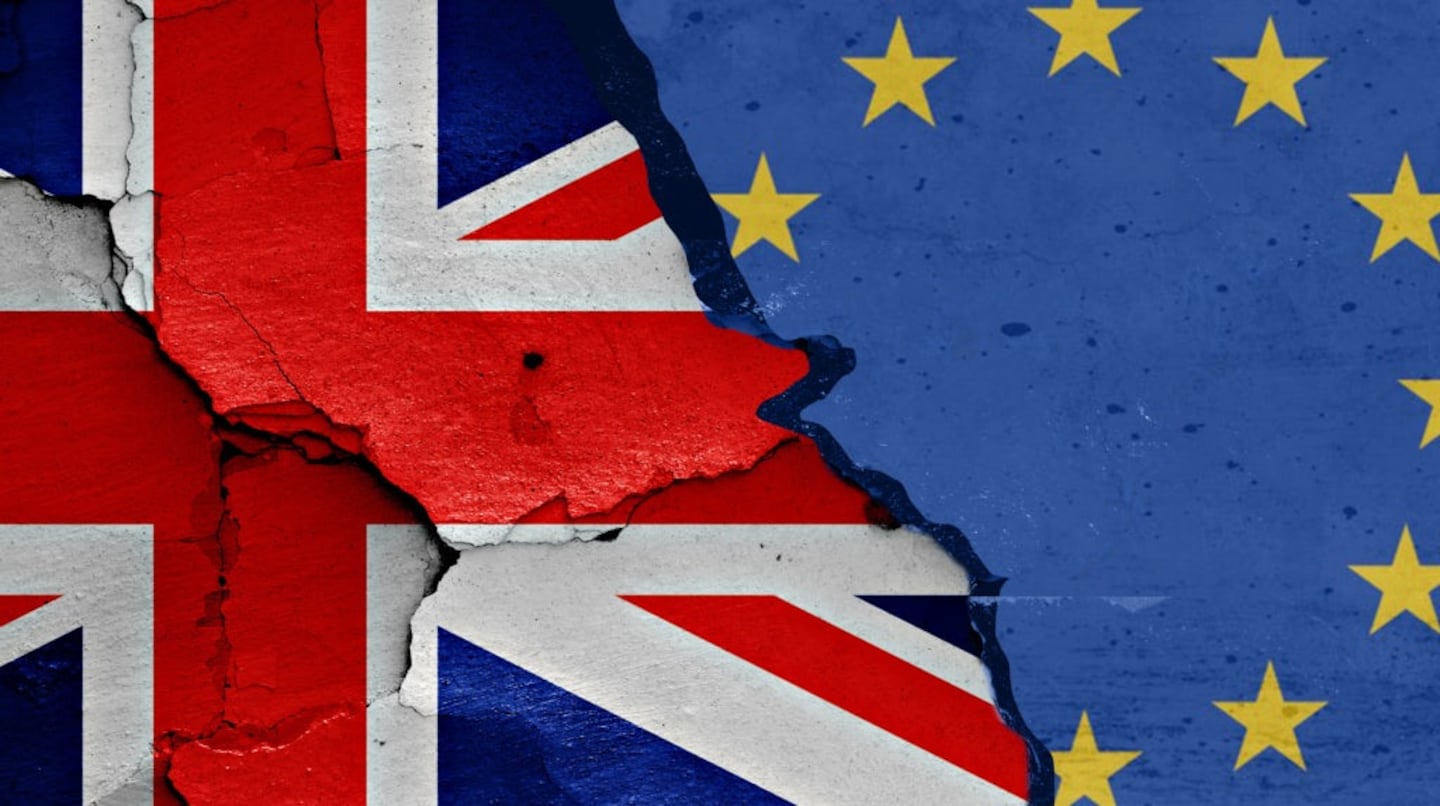
UK exports of clothing and footwear to the EU have dived since Brexit, according to a new study that shows the extent to which complex regulations and red tape at the border have deterred firms from sending goods across the Channel.
Exports of clothing and footwear sold to EU countries have fallen from £7.4 billion ($9.7 billon) in 2019 to £2.7 billion ($3.4 billion) in 2023, helping fuel an 18 percent slump in sales of all non-food goods exports to countries covered by the EU single market, according to the consultancy Retail Economics and online marketplace Tradebyte.
The report said the decline meant British brands and retailers have seen sales to the EU plummet since Brexit, despite a flourishing European e-commerce market.
The only sectors to increase export sales over the same period were health and beauty, and DIY and gardening, offsetting some of the fall from clothing and footwear.
ADVERTISEMENT
Many of the worst affected were small and medium-sized businesses, which faced a larger relative burden from red tape than multinational firms.
One of the report’s authors, Richard Lim, head of Retail Economics, said some of the fall was simply down to a change in trade routes. UK firms that previously repackaged imports of goods made in Asia for sale in the EU have now reorganised their supply chains, by setting up offices inside the single market to bypass border regulations.
However, red tape has forced many producers making apparel in the UK to move manufacturing to an EU country, at a cost to UK skills and jobs.
In one instance a sock-maker based in Leicester, which declined to be named, has shifted production to Italy, ending more than 100 years of manufacturing in the east Midlands, Lim said.
The UK has also failed to benefit from a boom in online goods sales in the EU since 2019, the authors suggest.
“Online retail is estimated to add £323 billion ($413 billion) of annual sales to EU economies, but additional trade frictions caused by Brexit-related complexities are curtailing this international sales opportunity for UK-based brands and retailers,” the report stated.
“It is a huge opportunity for UK brands that is not being grabbed,” Lim said.
He said the fall in the value of trade with the EU was softened by last year’s spike in inflation, which increased the cost of goods for export.
ADVERTISEMENT
A separate report on Tuesday by the thinktank UK in a Changing Europe found that while exports of goods had declined, services exports had increased by nearly 30 percent compared with February 2020.
It said analysis of recent official figures showed that the UK’s services trade “has not only bounced back swiftly after the pandemic, but also exceeded pre-pandemic levels by the latter half of 2022.”
It added: “This growth has been driven by ‘a boom’ in the UK’s trade in business services. This sector, which includes legal services and consultancies, has now overtaken manufacturing and transport equipment (including cars) to be the UK’s largest export sector.”
The UK’s exports of services had remained resilient over the period 2020 to 2023 while services exports by France and Germany had declined.
Why UK services firms had increased sales when they were largely unaffected by Brexit rule changes, was unclear, the report said.
Rain Newton-Smith, head of the CBI, said there was a case to review the UK’s trading relationship as she set out the business lobby group’s wishlist ahead of the July 4 general election.
Newton-Smith called for a “bold pitch” to international investors and said Britain and the EU should use a review of their trade deal in 2026.
“That will be a moment for us to think about how do we improve and how do we minimise some of those trading frictions that are having an impact on business,” she told Bloomberg.
ADVERTISEMENT
Labour leader Keir Starmer has said he will align with the EU on food and agricultural products if he becomes prime minister. But he has ruled out rejoining the single market or allowing freedom of movement between Britain and the EU.
By Phillip Inman
Some companies, such as Finnish outdoor retailer Scandinavia Outdoor, say they are suspending shipping to Great Britain following Brexit tax changes
Brexit and Covid-19 have proved a double blow for the fashion capital. Some creatives are localising production, while others are looking outside the UK for solutions.
The rise in shop prices slowed to 0.6 percent in the first week of May, its lowest since the end of 2021, the British Retail Consortium said on Tuesday.
Nordstrom’s co-CEO and president joins Imran Amed to discuss the retailer’s 125-year history, why he believes the department store model still works and how taking the company private is shaping the company’s next chapter.
While $1.75 billion in court-approved funding has brought labels back to the fold, the real test for vendors will come when that temporary safety net vanishes later this year.
A growing number of mass and premium brands are pushing upmarket with a more luxe look, better materials and, often, higher prices. This case study unpacks how these labels are navigating the tricky challenge of elevating a brand.
Brands from Prada to Abercrombie & Fitch will provide clarity on how the fashion industry is approaching the newly uncertain trade landscape. Plus, a preview of Paris Fashion Week.
The Italian knitwear house joins a growing list of heritage brands sold to outside investors. Chief executive Livio Proli discusses the strategy behind Missoni’s next phase.
Junya Watanabe, Issey Miyake and Loewe push technical boundaries; Michael Rider’s Celine adds a human grace note.
On the seventh day of Paris Fashion Week, Duran Lantink’s Jean Paul Gaultier revamp delivered the sense of playfulness that was missing from Seán McGirr’s McQueen a few hours later, reports Angelo Flaccavento.
The Japanese retailer is betting on its fast-growing, value-for-money skincare products to drive growth at home and abroad.


