
Agenda-setting intelligence, analysis and advice for the global fashion community.
Agenda-setting intelligence, analysis and advice for the global fashion community.

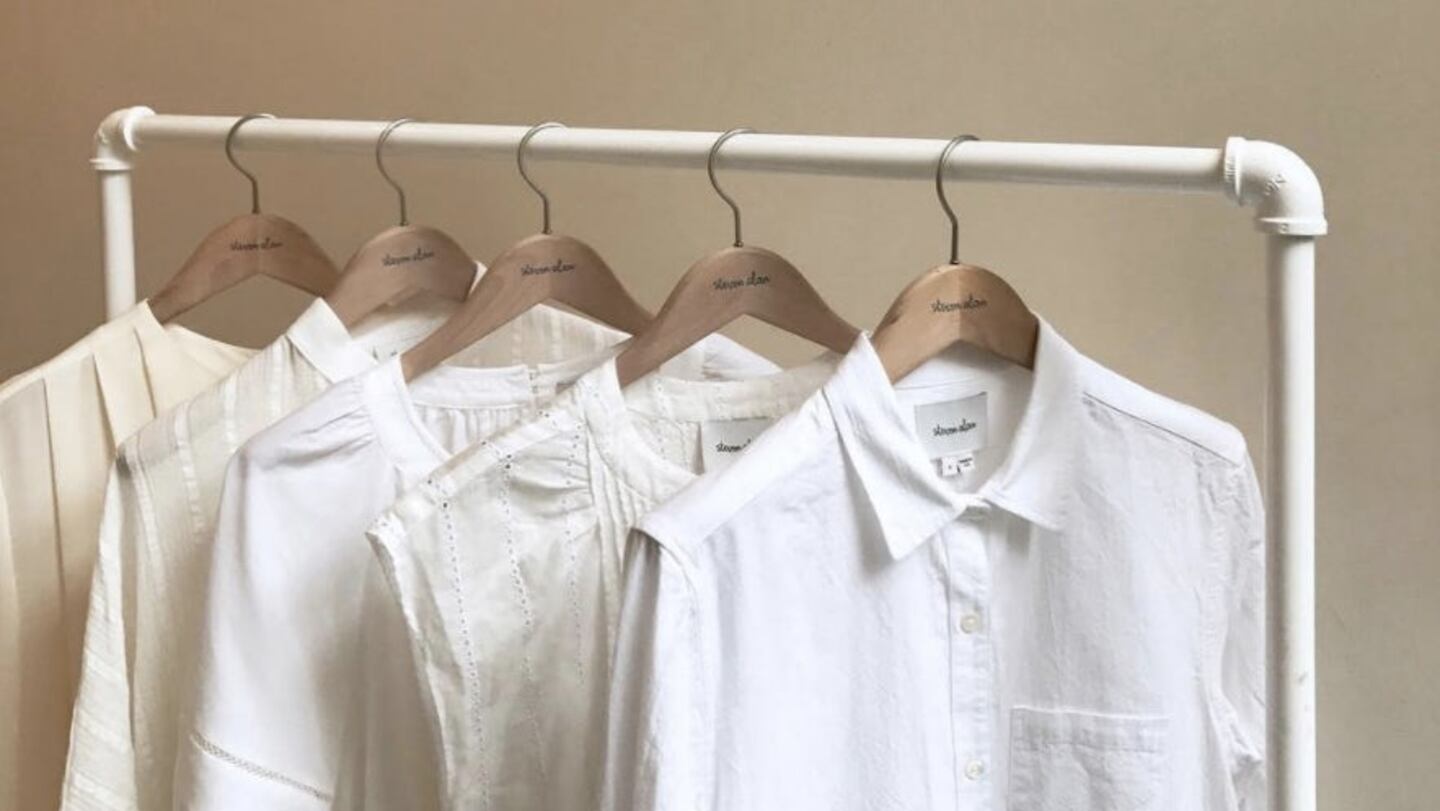
NEW YORK, United States —Twenty-three years after opening his first multi-brand boutique on Wooster Street in New York, Steven Alan is restructuring his business to focus on his own collection of apparel and accessories as part of a three-year streamlining plan.
“It’s been a very tough year, pretty much across the board,” Steven Alan tells BoF. “And we were not spared any of that.”
As department stores and specialty retailers come to terms with a radically shifting retail landscape, so too is Steven Alan entering a new chapter. Rumours of a potential closure emerged in January and were not quelled by a notice on the website of site maintenance this week. Employees have expressed fear for the company's future.
While Alan denies these claims — “It’s been a difficult year, so people would come to their own conclusions” — he is candid about the challenges in his business model and is optimistic about the future.
ADVERTISEMENT
“It’s difficult to run a department store in a specialty store body, and that’s kind of what we are doing,” says Alan, known for spotting and fostering emerging brands and cohesive curation. “[Reorganising] is probably something we should have done a long time ago, but it's a difficult thing to do, to make a big pivot like this.”
Back in 2011, Alan took on investment from Bedrock Manufacturing, the private equity firm owned by Fossil founder Tom Kartsotis, which allowed him to hire a team of executives. By 2013, market sources reported that Steven Alan was generating $40 to $50 million in annual sales.
Bedrock also now owns the showroom Alan launched in 1999, which represents brands such as Clare V. and M. Martin, among other independent designers, and has been run by Samantha Smith since 2013.
It's difficult to run a department store in a specialty store body.
But Bedrock did not invest further in Steven Alan, focusing instead on its core businesses Shinola and Filson, prompting Alan to seek funding elsewhere in 2015. Alan says that no additional funding was raised. “We stopped the process a few years ago.”
The company is open to investment at this time; Alan is currently in discussions with a private lender for a loan. The priority is to shift the focus of the business onto the namesake collection, which originally launched with men’s shirting in 2000. “Starting last season, we’ve noticed the momentum really growing [on the Steven Alan collection],” he says. “That’s where we are seeing the most positive response.”
Historically, the collection of apparel, accessories and home goods represented 30 percent of the business. Currently it accounts for 55 percent. Alan’s goal is to get it to 70 percent. “I really believe in having great curated product as well,” he says, adding that he does not have plans to broaden the namesake line’s wholesale presence. Instead, he is focusing on direct channels, including 20 physical stores in the US and e-commerce.
Meanwhile, the company is shifting e-commerce platforms and integrating the online and brick-and-mortar inventory, which accounts for StevenAlan.com’s currently static state. Alan says the site will be back up within a month and fully functional by end of June.
With the Bedrock investment, Steven Alan expanded his store footprint to 22 stores in the US. In the last year, Alan has closed the Chicago boutique and the home goods store in Brooklyn. “It was a difficult decision,” he says of the latter’s closure. “You need a certain economy of scale to do it efficiently.” Today, along with the 20 US stores, there are four Steven Alan Optical stores operated by eyewear licensor Eponym and five stores in Japan operated through a license. While there are no current plans to close more directly owned stores, Alan says that he is “looking at all aspects of the company to figure out what makes the most sense to focus on."
ADVERTISEMENT
Alan describes this latest pivot as just another chapter in his company’s history. “Since I started, retail has changed so much and we have done a lot of different things,” he says. “This is certainly the most focused that I’ve ever felt about this business and we’ve used our experience, learned over the years, to get to the place that we are at now. There have been lots of ups and downs… I’m excited for the future.”
Related Articles:
[ Steven Alan, Multi-Tasking MerchantOpens in new window ]
[ Retailers Brace for New York Real Estate ApocalypseOpens in new window ]
While $1.75 billion in court-approved funding has brought labels back to the fold, the real test for vendors will come when that temporary safety net vanishes later this year.
A growing number of mass and premium brands are pushing upmarket with a more luxe look, better materials and, often, higher prices. This case study unpacks how these labels are navigating the tricky challenge of elevating a brand.
Brands from Prada to Abercrombie & Fitch will provide clarity on how the fashion industry is approaching the newly uncertain trade landscape. Plus, a preview of Paris Fashion Week.
The goods come from more than 380 brands, including Burberry and those owned by luxury powerhouses LVMH and Kering.
It’s not an existential crisis — yet — but Rick Owens and Daniel Roseberry confront some headscratchers in their latest collections.
Stick with the program or switch it up? Angelo Flaccavento reports on Chloé, Rabanne, Schiaparelli, Rick Owens and Uma Wang.
The brands Gap and Banana Republic beat comparable sales estimates.
Sex sells — if anyone can figure out what sexy means in 2026. Robert Williams tracks the search for a new silhouette at Kering’s Gucci, LVMH’s Dior and more.


