LONDON, United Kingdom — From Uber to Spotify to Netflix, on-demand services are enabling people to move away from owning things to renting them.
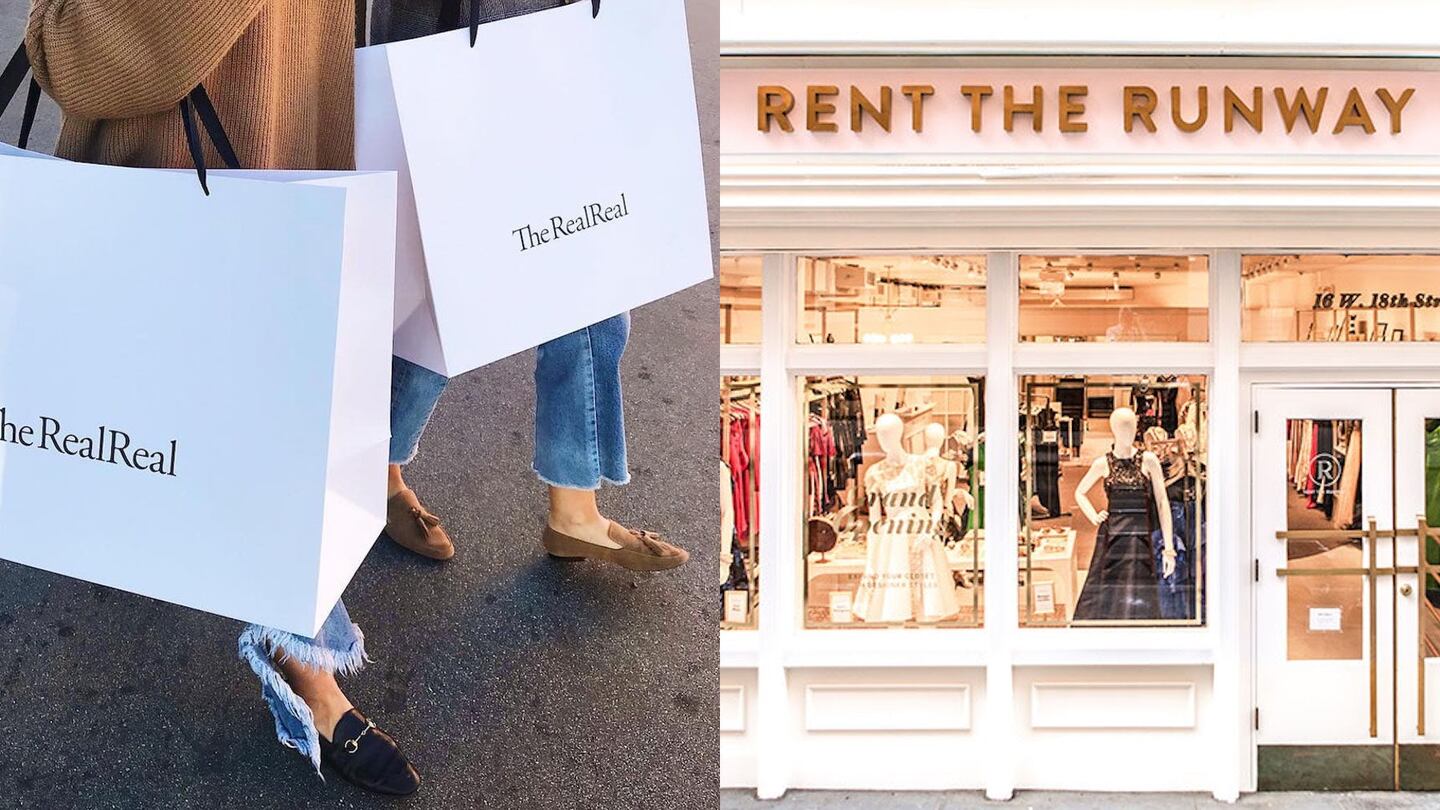
While the fashion industry has been slower than others at embracing this trend, consumer attitudes are shifting rapidly. The rise of social media means newness is paramount, with clothing being worn once and never again. Meanwhile, shoppers concerned about sustainability are looking for alternatives to throwing away clothes when they’re through wearing them. Enter services like Rent the Runway or The RealReal, companies which have raised millions in venture funding and whose business models have upended the industry by making it easier to rent and resell clothes and accessories.
Instead of owning a closet full of rarely worn clothes, many consumers, particularly younger ones, are embracing sites like Rent the Runway or Armarium that allow you to rent clothes and accessories. Rather than toss items at the end of their life, a growing number of people sell used clothes via services like The RealReal and Vestiaire Collective. While more and more are partnering with retailers and seeing rapid growth, challenges of scaling and long-term costs remain.
On August 17, BoF founder and CEO Imran Amed and chief New York correspondent Lauren Sherman held a live conversation with members of the BoF Professional community on the lessons to learn about the end of ownership. Here are some of the highlights:
The market
Everything that was physical can now be digital, and customers' mind-sets have shifted. They don't want to own as many things as they used to as a result of the ubiquity of social media — a dress worn once can never be worn again — and a need for newness. The lifespan of a piece of clothing in one's wardrobe may be shorter, but the item will remain alive, whether through rental or resale, for longer.
There are three sub-categories within the model. First, the rental space with players that include Rent the Runway and Armarium that allow customers to rent high-end designer items. Second, the resale sites such as Vestiaire Collective and The RealReal, where second-hand luxury goods are bought and sold. Lastly, the nascent peer-to-peer space — the Airbnb for your wardrobe, where people rent directly from one another — which traditionally more localised, such as Village Luxe in New York.
An increasing number of start-ups are launching with this model. For instance, LA-based For Days, where customers pay $12-36 a month and receive three, six or 10 T-shirts that they can exchange every month.
Rental Services
Rental sites are on the rise as brands struggle in the wholesale channel. The tougher wholesale becomes, the more open brands will be to working with these sites. And many already are — Rent the Runway carries brands from 3.1 Phillip Lim to Zac Posen.
The costs of maintaining rental products remain the biggest challenge. Rent the Runway, for instance, is the biggest dry cleaner in the United States. All of the costs associated with running a large-scale rental business cut profits.
The business cannot scale internationally. Local and regional players will pervade, and an Amazon situation is unlikely in the rental space, with a number of key companies in every market catering to different consumer tastes and budgets.
Resale
There's a large opportunity to scale for companies like Vestiaire Collective and The RealReal as customers will always need to downsize in order to keep accommodating existing items. Instead of throwing them away, they will sell them.
As more companies begin seeing the value in resale, in the future we may see a luxury conglomerate or e-commerce company acquiring a resale service in order to retain control over the flow of product. We will also see partnerships between resale sites and individual brands, as The RealReal did with Stella McCartney.
Authentication remains a challenge, particularly for clothing. Companies employ a staff of authenticators who come from auction houses, but one-off vintage pieces may be harder to verify than a handbag with a custom number.
On the lower end of the market, sites like Depop frequented by Gen-Z may be encouraging more consumption, as consumers shop with the knowledge they will easily sell the item after a couple of wears.
What’s next
We will see more brands coming in with a rental service embedded in their business model, or that combines traditional retail with rental.
Customisation and uniqueness will be driving forces — you will own fewer things, but those things will be very specific to you, whether through monogramming or other forms of personalisation.
The author has shared a YouTube video.You will need to accept and consent to the use of cookies and similar technologies by our third-party partners (including: YouTube, Instagram or Twitter), in order to view embedded content in this article and others you may visit in future.
While $1.75 billion in court-approved funding has brought labels back to the fold, the real test for vendors will come when that temporary safety net vanishes later this year.
A growing number of mass and premium brands are pushing upmarket with a more luxe look, better materials and, often, higher prices. This case study unpacks how these labels are navigating the tricky challenge of elevating a brand.
Brands from Prada to Abercrombie & Fitch will provide clarity on how the fashion industry is approaching the newly uncertain trade landscape. Plus, a preview of Paris Fashion Week.
Sex sells — if anyone can figure out what sexy means in 2026. Robert Williams tracks the search for a new silhouette at Kering’s Gucci, LVMH’s Dior and more.
Christine Hunsicker admitted she falsified financial statements to promote CaaStle Inc. as a valuable, growing business when in reality it was struggling.