
Agenda-setting intelligence, analysis and advice for the global fashion community.
Agenda-setting intelligence, analysis and advice for the global fashion community.

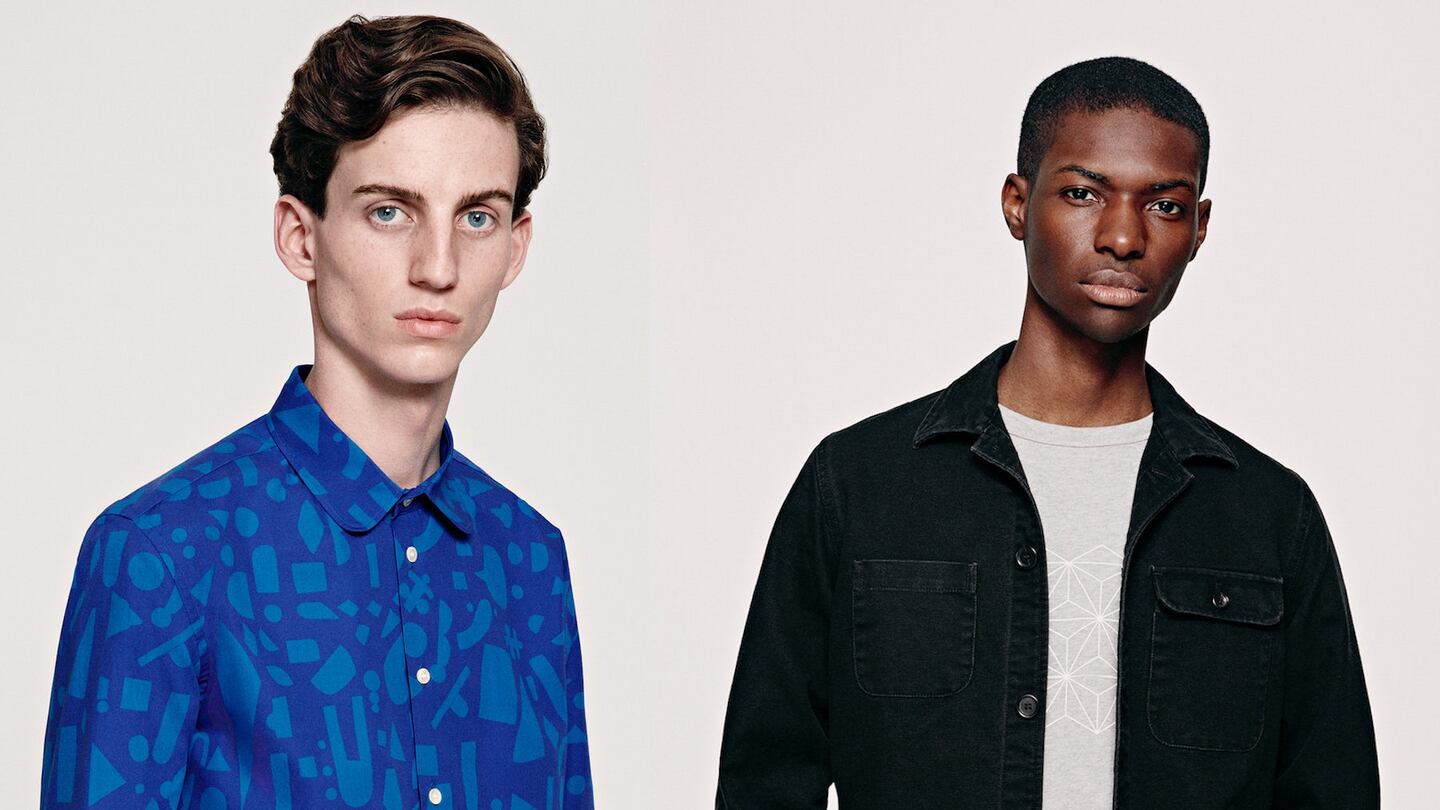
LONDON, United Kingdom — A brand new menswear label curated by two furniture designers is set to launch exclusively at Dover Street Market.
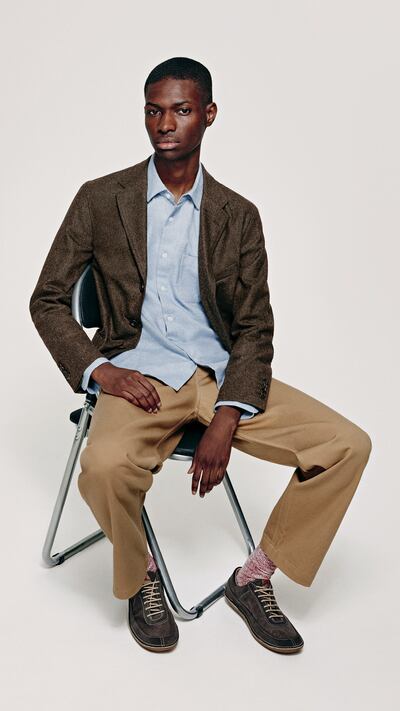
Jijibaba | Source: Courtesy
"Many fashion designers launch furniture and interiors collections, so this is just the opposite of that," Morrison tells BoF, of the trend that has seen Fendi release furry footstools, Hermès making marble coffee tables and Dolce & Gabbana emblazoning kitchenware with its Sicilian prints. "Our worlds are very visual, whether we are looking at a chair or whether we are looking at a garment. While it initially might not seem it, launching clothing is actually a natural extension of what Jaime and I already do in our own work," he continues.
Launching into Dover Street Market is a huge seal of approval for such a nascent brand. "Jijibaba is a unique offering," Adrian Joffe, president of DSM, tells BoF. "DSM is always aiming to give spaces to people with a vision and something to say, and the idea [for Jijibaba] seems like something really new. I knew and liked Jasper and Jaime's work so was intrigued to see what they would make... We are sure it will find its place at DSM." The collection — which launches on September 15 —will also be displayed as part of an instillation at the Design Frontiers exhibition at Somerset House, from September 18.
While $1.75 billion in court-approved funding has brought labels back to the fold, the real test for vendors will come when that temporary safety net vanishes later this year.
A growing number of mass and premium brands are pushing upmarket with a more luxe look, better materials and, often, higher prices. This case study unpacks how these labels are navigating the tricky challenge of elevating a brand.
Brands from Prada to Abercrombie & Fitch will provide clarity on how the fashion industry is approaching the newly uncertain trade landscape. Plus, a preview of Paris Fashion Week.
The goods come from more than 380 brands, including Burberry and those owned by luxury powerhouses LVMH and Kering.
Stick with the program or switch it up? Angelo Flaccavento reports on Chloé, Rabanne, Schiaparelli, Rick Owens and Uma Wang.
The brands Gap and Banana Republic beat comparable sales estimates.
Sex sells — if anyone can figure out what sexy means in 2026. Robert Williams tracks the search for a new silhouette at Kering’s Gucci, LVMH’s Dior and more.
Christine Hunsicker admitted she falsified financial statements to promote CaaStle Inc. as a valuable, growing business when in reality it was struggling.


