
Agenda-setting intelligence, analysis and advice for the global fashion community.
Agenda-setting intelligence, analysis and advice for the global fashion community.

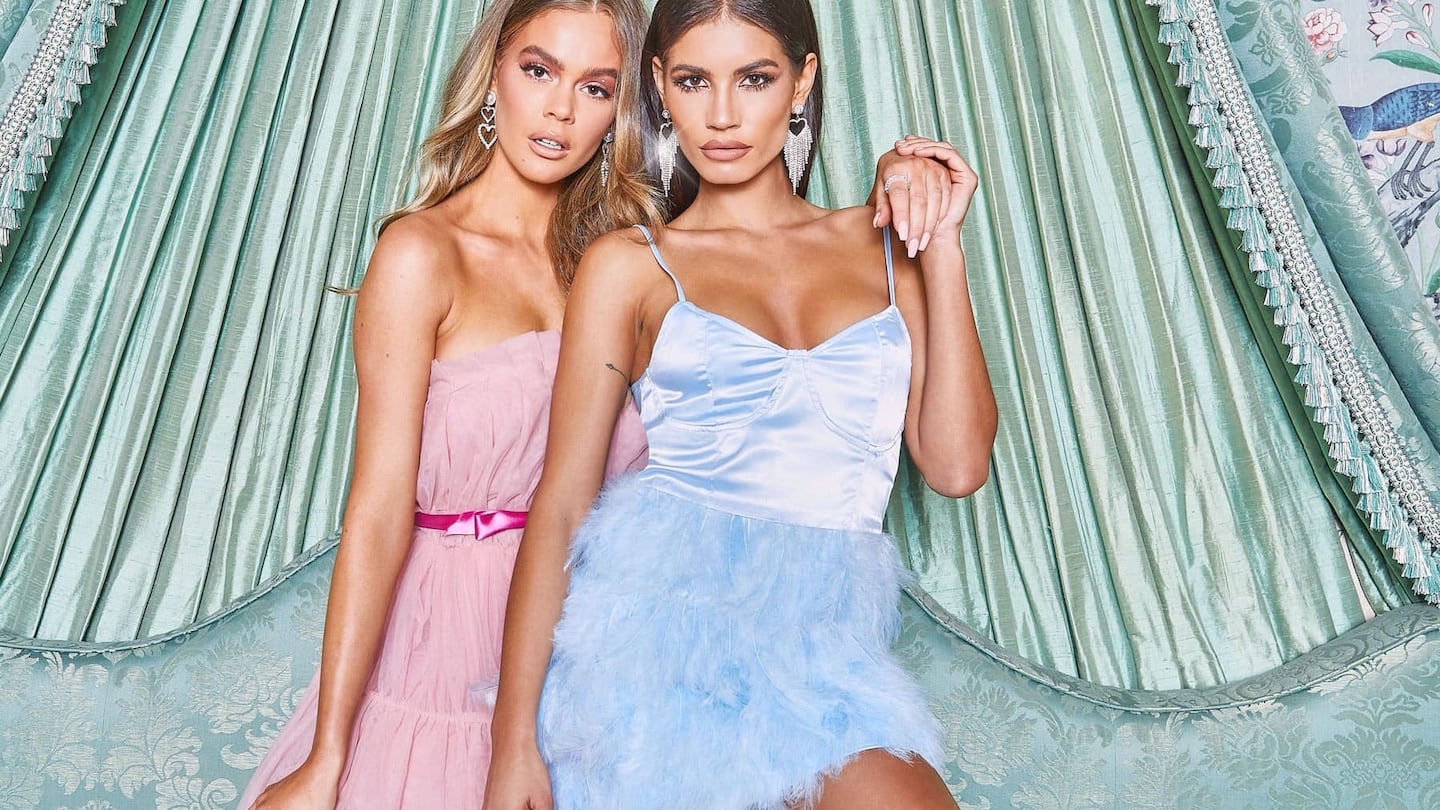
MANCHESTER, United Kingdom — Fast-fashion e-tailer Boohoo is bargain hunting.
As the coronavirus pandemic wreaks havoc upon much of the fashion industry, Boohoo, best known for its skin tight, bare-all looks for ultra-cheap prices, sees an opportunity to build its empire.
The Manchester-based group has raised £198 million ($238) for new M&A opportunities, in a private placing that’s left the company with around £500 million in cash. The deal was led by boutique investment bank Zeus Capital.
The private placing was priced at £3.40 per share, done via an accelerated bookbuild, a process that usually takes one or two days and does not reacquire shareholder approval. Zeus Capital and Jefferies International acted as joint global coordinators of the deal.
ADVERTISEMENT
It's no secret Boohoo has big ambitions. Last August, the company paid £18.2 million for Karen Millen and Coast's e-commerce businesses. The investment in more up-market propositions diversified its portfolio beyond its bread-and-butter of Insta-worthy, affordable fashion labels targeting women in their teens and 20s. The move suggested dreams of cornering the accessible fashion market and rivalling fast fashion stalwarts H&M and Zara.
Karen Millen and Coast were the latest in a string of acquisitions, which included Pretty Little Thing, where Boohoo purchased a controlling stake for £3.3 million in 2017; Nasty Gal, which cost the group £16 million in 2018; and MissPap, which it bought for an undisclosed sum in 2019. In 2013, the group expanded into menswear with a dedicated BoohooMan brand.
With the coronavirus pandemic devastating much of the global fashion industry, there are likely to be plenty of opportunities for Boohoo to snap up new targets in the coming months. Already British high street fixtures such as Cath Kidston and Oasis & Warehouse Group have fallen into administration. In the US, larger players like Neiman Marcus and J Crew have filed for bankruptcy.
Boohoo itself is not immune to the impact of Covid-19. It reported slowing year-on-year sales growth in mid-March as lockdowns dampened consumer demand for fashion apparel. Nevertheless, full-year results were strong, with revenue rising 44 percent to £1.2 billion for the 12 months ending 29 February 2020. The Group said sales into May have remained "robust."
Boohoo was founded in 2006 by Mahmud Kamani as a digital fashion label offering trend-led clothes at an affordable price, ramping up to a £300 million IPO in 2014. Today, Boohoo Group has a global active customer base of almost 14 million, and boasts a market capitalisation of over $4.1 billion.
Related Articles:
[ Boohoo Wants to Beat Zara at Its Own GameOpens in new window ]
[ Inside the Fashion Nova Hype MachineOpens in new window ]
[ Missguided Takes Product Placement to the Next Level on Love IslandOpens in new window ]
While $1.75 billion in court-approved funding has brought labels back to the fold, the real test for vendors will come when that temporary safety net vanishes later this year.
A growing number of mass and premium brands are pushing upmarket with a more luxe look, better materials and, often, higher prices. This case study unpacks how these labels are navigating the tricky challenge of elevating a brand.
Brands from Prada to Abercrombie & Fitch will provide clarity on how the fashion industry is approaching the newly uncertain trade landscape. Plus, a preview of Paris Fashion Week.
The goods come from more than 380 brands, including Burberry and those owned by luxury powerhouses LVMH and Kering.
The American cosmetic giant’s buyout of Ayurvedic beauty line Forest Essentials came as a surprise. By picking an under-the-radar brand it knows well, the company can show that it’s still in the M&A game without needing to outbid rivals.
The underwear company is anticipating net sales of at least $6.85 billion in the current fiscal year, exceeding analyst estimates and marking the highest revenue since its split from L Brands Inc in 2021.
The Japanese brand is accelerating its expansion in India to capture a greater share of the rapidly growing apparel market and affluent consumer base.
Strong growth at Miu Miu helped lift results, but the Italian luxury group said that integrating Versace will weigh on margins in the near term as it begins the turnaround of the struggling brand


