
Agenda-setting intelligence, analysis and advice for the global fashion community.
Agenda-setting intelligence, analysis and advice for the global fashion community.

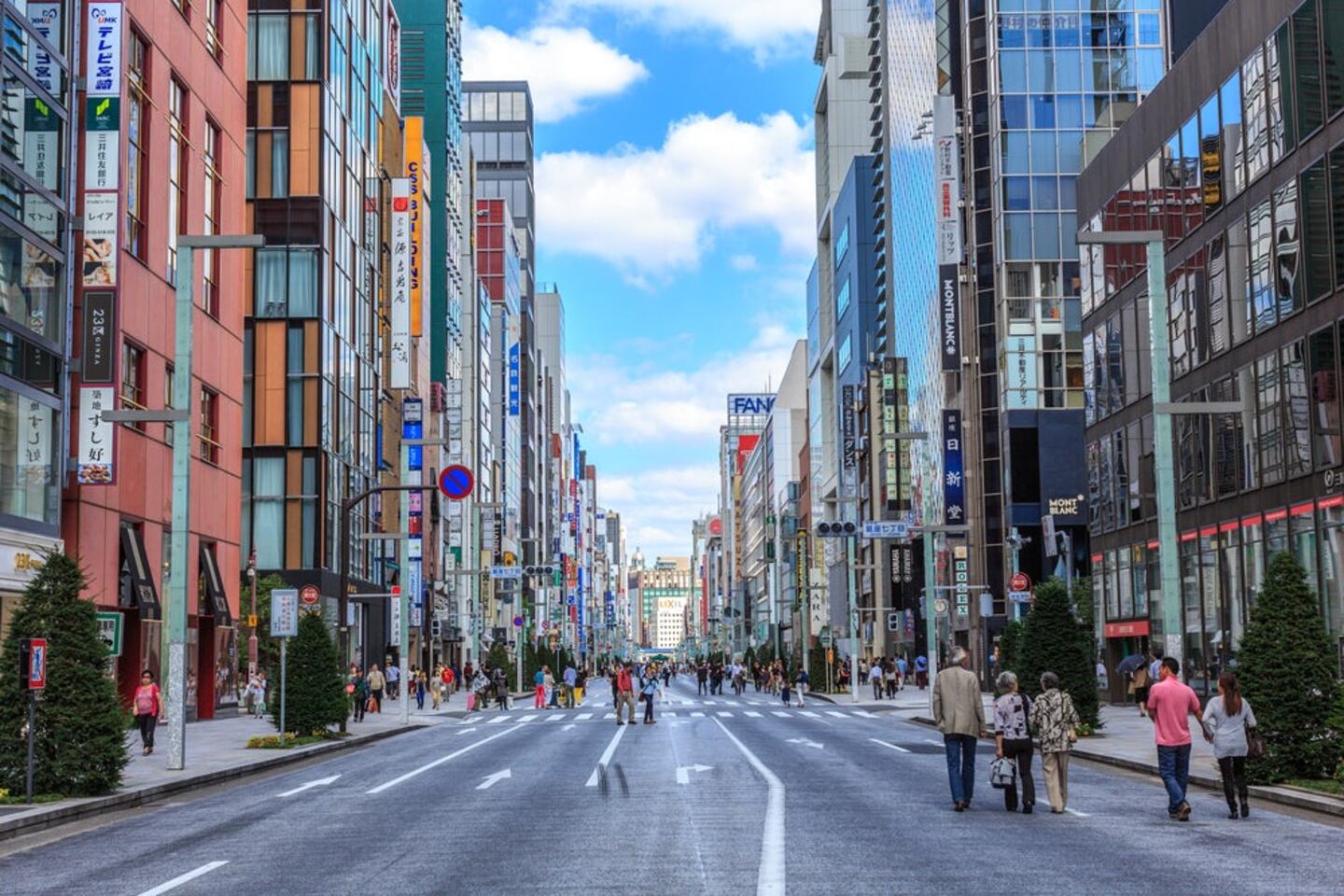
LONDON, United Kingdom — The scariest news I have recently read about luxury was in Tuesday's Financial Times. The Japanese, it seems, have stopped buying luxury goods. Luxury imports in Japan were down 10 percent and sales of LVMH in the country were down 18 percent in the first quarter.
And no, it's not just the recession. "This is not a blip. This is a long-term shift in the market," Brian Salsberg, the author of a McKinsey report on the Japanese luxury goods market, the world's second largest, told the Financial Times. This is concrete evidence of a trend first reported on BoF one year ago.
The Japanese were once the industry's most-favoured fashion consumers because of the speed with which they would adopt new trends. The evolution of a luxury market is a tricky thing you see. First new consumers will gravitate to the brands they've heard of, like Armani. Then they'll begin to explore ones that are more niche, say Balenciaga. Then, if the Western world is anything to judge by, they'll get disillusioned with the whole thing and just start buying their clothes at Zara, H&M and Topshop.
Here in the West, we've been working our way through the cycle since the Second World War. But those clever Japanese have moved through the whole evolution in just thirty years.
ADVERTISEMENT
This is seriously bad news for the luxury brands that depend on Asian shoppers, which is most of them. And, it does not bode well for the post-future landscape either. The Chinese are most likely to mimic the Japanese in shopping habits. All those new stores brands are throwing up in second- and third-tier Chinese cities may never pay off.
So what will they do?
Patrizio di Marco, one of my favourite luxury executives, has recently moved from Bottega Veneta to Gucci. It was a brave career step. Gucci, with its reliance on logo-driven product, is a brand in transition. Di Marco told Bloomberg that to adapt to these trying times he's refocusing the logo-driven merchandise and putting more attention on the mid-price range by doing things like adding exotic trims to fabric bags, and moving away from lower price points to retain luxury allure.
But will consumers want the bags with logos, crocodile trim or no crocodile trim? Personally, I'd rather carry a bag with no logo. And it seems increasing numbers of crucial Asian consumers are with me on this one. But, for Gucci's sake, let's hope I'm wrong. Next week they're opening a store in Shanghai—it's their 28th outlet in China.
Lauren Goldstein Crowe is co-author of the critically-aclaimed book, The Towering World of Jimmy Choo.
Hours after the Supreme Court issued its decision, Trump began relying on alternative legislation to try to rebuild his tariff wall.
The new announcement stirred up more economic turbulence as president Trump lashed out at the US Supreme Court.
A majority of justices struck down the ‘Liberation Day’ tariffs that sent shockwaves through the fashion industry, setting the stage for a rush of brands trying to recoup duties they’ve already paid.
The ruling strikes down the so-called ‘Liberation Day’ tariffs that sent a shockwave through the fashion industry and sets the stage for a rush of brands trying to recoup duties they’ve already paid.
Christine Hunsicker admitted she falsified financial statements to promote CaaStle Inc. as a valuable, growing business when in reality it was struggling.
The American cosmetic giant’s buyout of Ayurvedic beauty line Forest Essentials came as a surprise. By picking an under-the-radar brand it knows well, the company can show that it’s still in the M&A game without needing to outbid rivals.
The underwear company is anticipating net sales of at least $6.85 billion in the current fiscal year, exceeding analyst estimates and marking the highest revenue since its split from L Brands Inc in 2021.
The Japanese brand is accelerating its expansion in India to capture a greater share of the rapidly growing apparel market and affluent consumer base.


