
Agenda-setting intelligence, analysis and advice for the global fashion community.
Agenda-setting intelligence, analysis and advice for the global fashion community.


The luxury sector faced major challenges in 2022, from rapid inflation to slowing economic growth, exacerbated by the return of strict Covid lockdowns in China and the outbreak of war in Ukraine. Yet despite headwinds, sales have never been stronger, rising 22 percent this year as a post-Covid “YOLO” attitude prevailed.
The strongest brands each found their own way to seize on exploding consumer demand: Some, like Chanel, focused on wooing their highest-spending customers while the likes of Saint Laurent and Jacquemus combined runway excitement with smart price points and a seasonless approach. Others revamped their strategies, including major e-tailers who merged with rivals or added e-concessions to their model, and luxury giant Gucci, which repositioned its commercial offer and took steps toward a major creative shift.
Going into 2023, luxury’s rapid growth is expected to slow, with concerns mounting around how the sector will adjust.
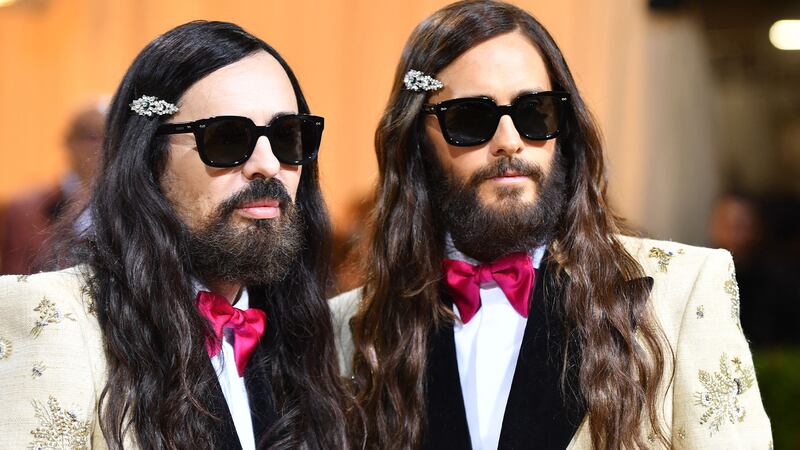
Why Gucci Wanted a Change — And What’s Next: The market is still digesting Gucci’s move to part ways with Alessandro Michele. A slowdown at Kering’s flagship brand was complicating the company’s wider ambitions, but change comes with risk as well as potential reward.
ADVERTISEMENT
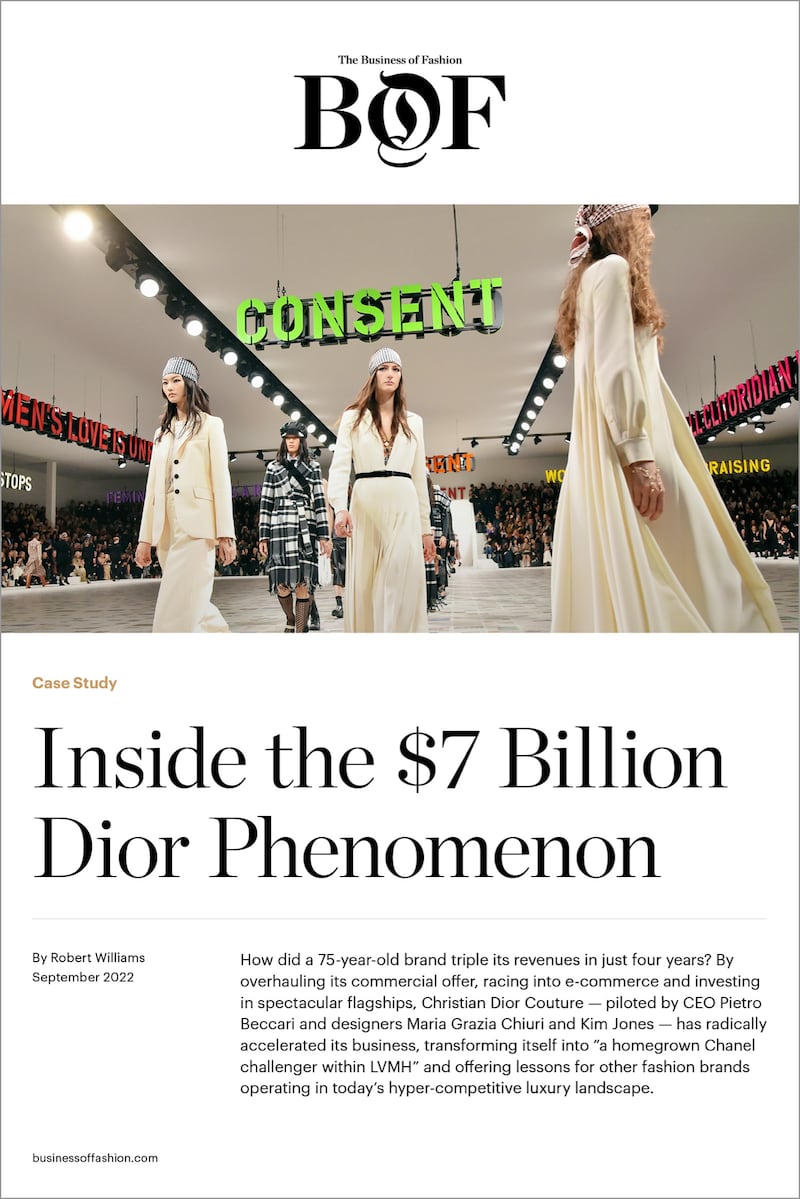
Inside the $7 Billion Dior Phenomenon | Download the Case Study: How did a 75-year-old brand triple its revenues in just four years? By overhauling its commercial offer, racing into e-commerce and investing in spectacular flagships, Christian Dior Couture has radically accelerated its business, transforming itself into “a homegrown Chanel challenger within LVMH.”
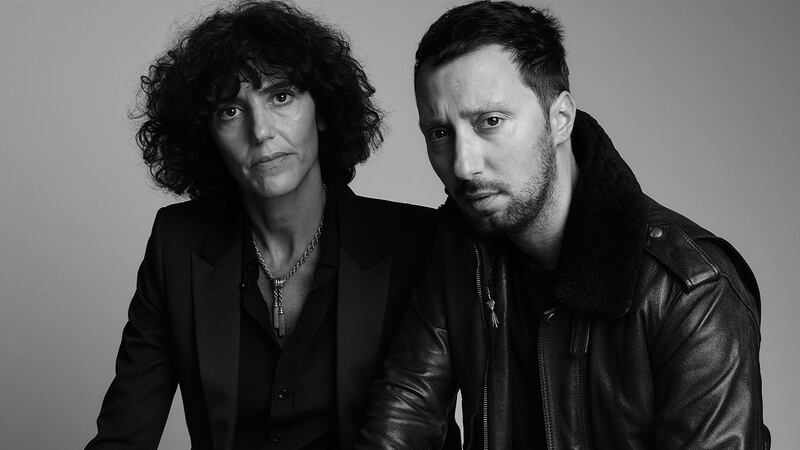
How Saint Laurent Became a $3 Billion Powerhouse: Chief executive Francesca Bellettini breaks down how she worked with designer Anthony Vaccarello to double sales in 5 years, leaning into an amped-up take on Parisian glamour, seasonless merchandising and a rapid expansion in leather goods.
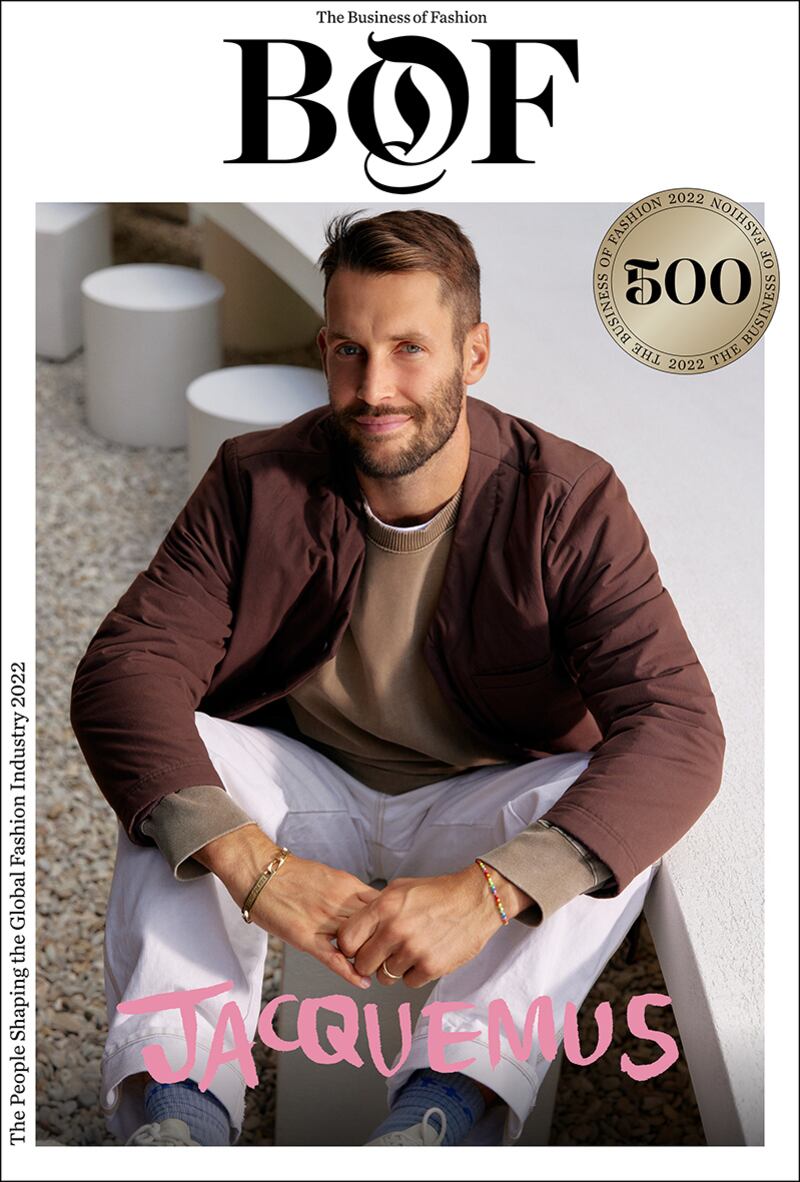
Jacquemus: A Fashion Star’s Business Vision: For the first-time, the industry’s hottest independent designer — a charismatic, social-media savvy storyteller from the south of France — reveals the financial underpinnings of his burgeoning company and plans for the next phase of growth.
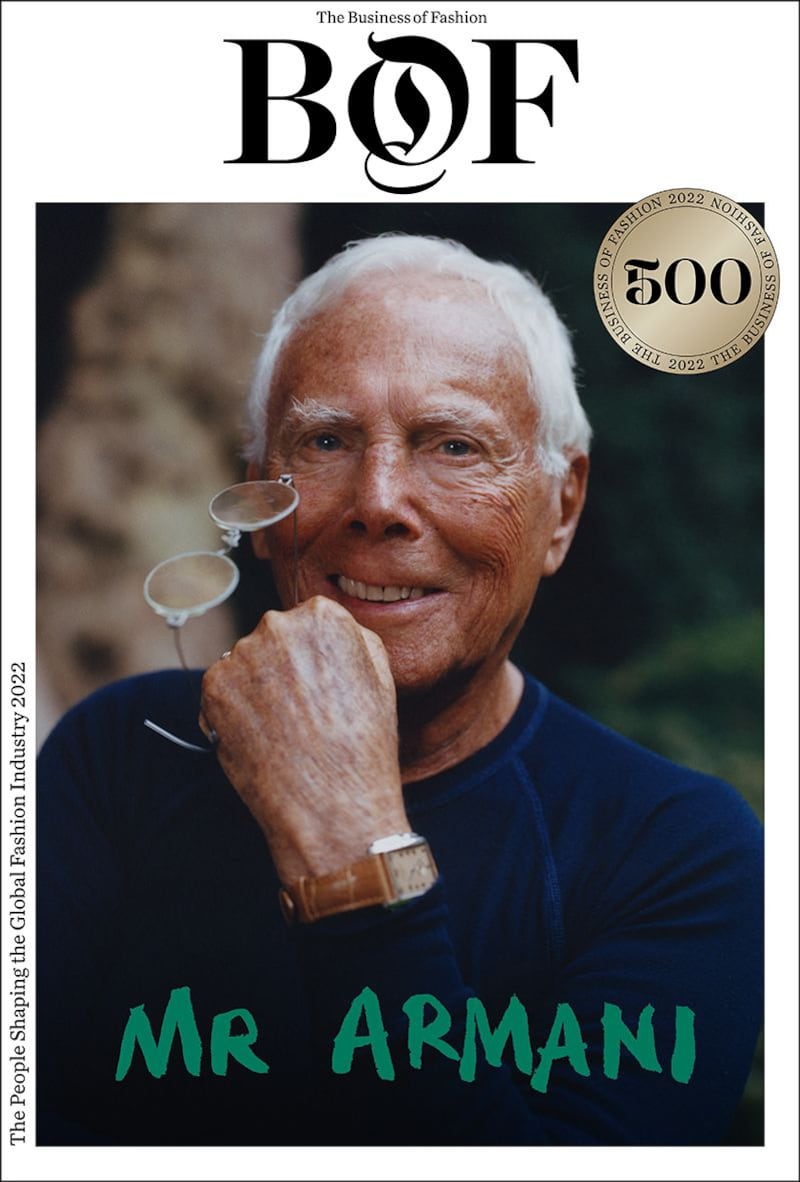
Giorgio Armani: Lion in Winter: Fashion’s most successful designer is finally in touch with his tender side after a career driven by perpetual dissatisfaction. In an exclusive interview, he looks back on his life and addresses the mysteries of his succession plan.
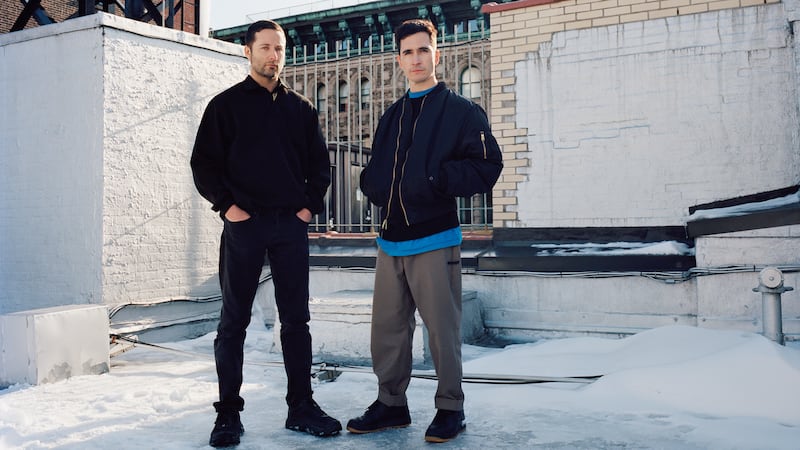
The Nine Lives of Proenza Schouler: What happened to the most promising brand in American fashion?

Richemont, Farfetch and YNAP: Understanding a Transformational E-Commerce Deal: The Swiss luxury group is spinning off Yoox Net-a-Porter in a joint venture with Farfetch. What does it mean for Richemont, Farfetch, YNAP and the luxury industry at large? BoF dissects the deal.
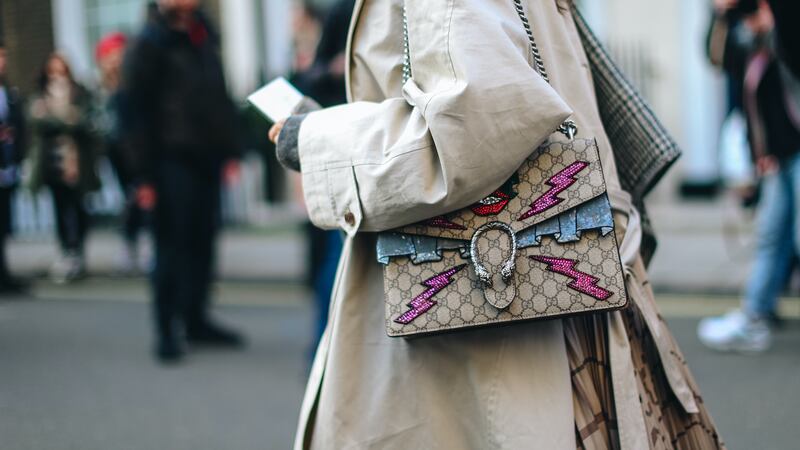
The Pivot to E-Concessions Is Reshaping Online Luxury: As top luxury brands pull back from wholesale, e-tailers like Mytheresa, Matchesfashion and Net-a-Porter are adding online concession to their business models rather than losing access to Gucci loafers and Balenciaga hoodies.
Sex sells — if anyone can figure out what sexy means in 2026. Robert Williams tracks the search for a new silhouette at Kering’s Gucci, LVMH’s Dior and more.
Strong growth at Miu Miu helped lift results, but the Italian luxury group said that integrating Versace will weigh on margins in the near term as it begins the turnaround of the struggling brand
After Swatch Group launched an attack on Morgan Stanley’s influential annual watch report, Swatch-owned Tissot cracks open the door for a glimpse at some numbers and Robin Swithinbank says it’s time a secretive industry came clean on financials.
Half a year after Giorgio Armani’s death, it appears to be business as usual at the sprawling fashion empire while potential investors continue to circle with no firm bid in sight.
Her third runway show for the brand is a growth spurt for Sarah Burton, writes Tim Blanks.
From Loewe to Yohji Yamamoto, the fifth day of Paris fashion week featured recently installed designers rolling out fresh identities and unbeatable masters being themselves.
The Supreme Court did not say how the collected tariffs should be refunded when it struck Trump’s economic policy down as unconstitutional last month, leaving small importers worried the process would be expensive and time-consuming.
Escalating conflict in the Middle East is exposing how quickly geopolitics can disrupt even luxury’s most carefully cultivated retail hubs.


