
Agenda-setting intelligence, analysis and advice for the global fashion community.
Agenda-setting intelligence, analysis and advice for the global fashion community.

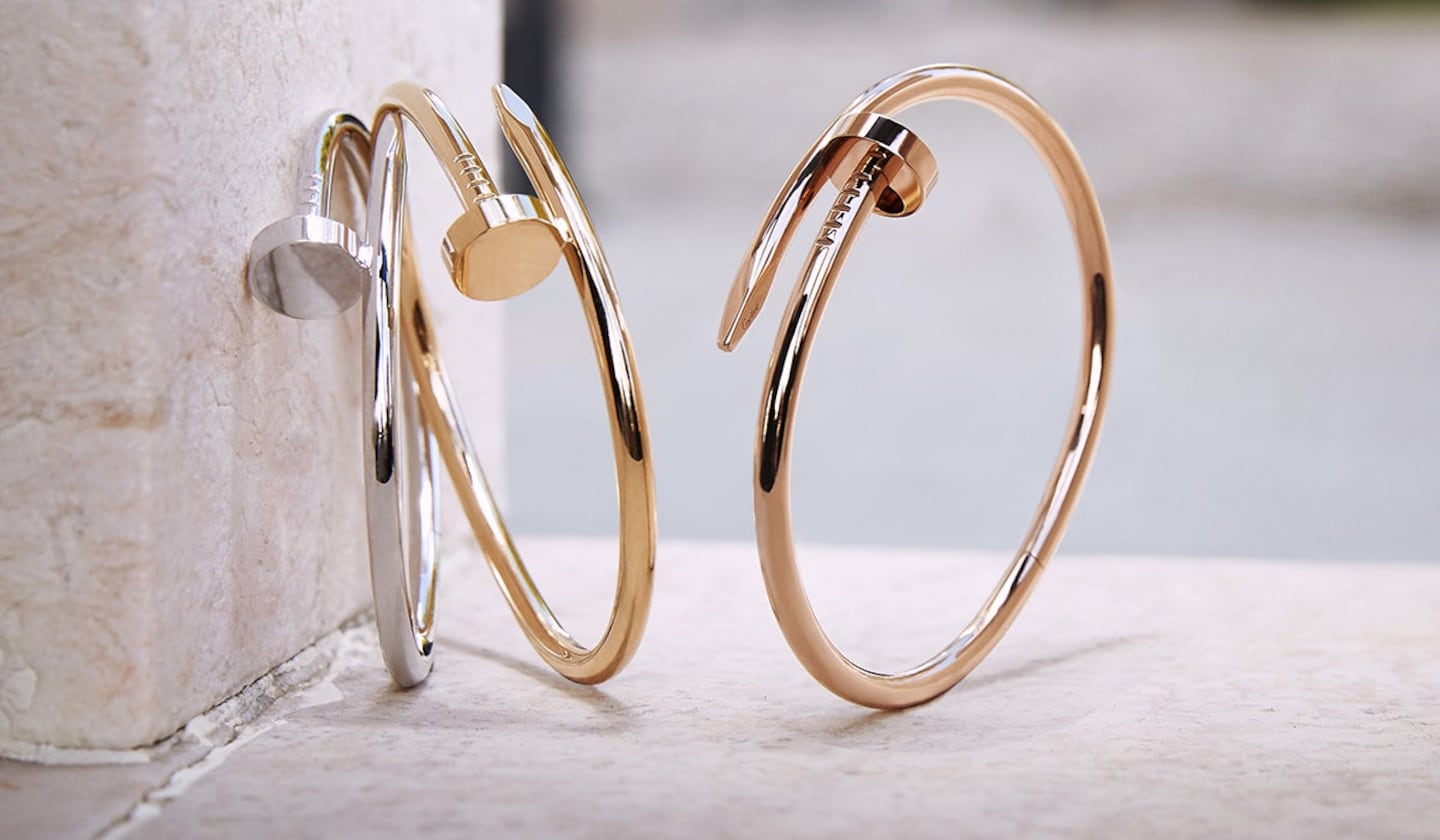
Cartier- and Van Cleef-owner Richemont’s quarterly sales beat estimates by 10 percent, with revenue in its key jewellery category rising 43 percent compared to 2019′s spring quarter (before the pandemic).
The Swiss luxury group’s overall revenue for the quarter ending June 30 rose 22 percent versus 2019, and more than doubled compared to the same quarter a year earlier, when stay-at-home orders and retail closures to curb the spread of coronavirus were at their peak.
While revenue at the company’s watch and online retail divisions joined jewellery in catching up with pre-pandemic levels, the division that operates Montblanc as well as the fashion brands Chloé, Dunhill, and Alaïa continued to lag behind, with sales still 11 percent behind the same quarter in 2019.
The company also said it would streamline its governance structure, relieving brand and product chief executives of their board and senior committee duties in order to focus entirely on their respective brands. Cyrille Vigneron (Cartier’s CEO) and Nicolas Bos (Van Cleef & Arpels’ CEO) will step down from the senior executive committee as well as the company’s board while continuing to report directly to the group’s chairman, Johann Rupert. Leaders of the group’s watchmaking and fashion divisions will also leave the senior executive committee, which had been expanded in 2017 during the group’s transition to a new CEO and CFO.
ADVERTISEMENT
”Decisions must be made as close as possible to customers,” Rupert said in a statement. “These governance changes will allow maison and business executives to focus exclusively on their customers, colleagues, partners and the sustainable development of their entities at a time when the world is changing rapidly and growing in complexity.”
Further Reading: Cartier’s CEO on Selling Timelessness in Times of Change
Staying relevant in the choppy waters of the post-pandemic jewellery market demands iconic, classic designs, Cyrille Vigneron says.
Sex sells — if anyone can figure out what sexy means in 2026. Robert Williams tracks the search for a new silhouette at Kering’s Gucci, LVMH’s Dior and more.
Strong growth at Miu Miu helped lift results, but the Italian luxury group said that integrating Versace will weigh on margins in the near term as it begins the turnaround of the struggling brand
After Swatch Group launched an attack on Morgan Stanley’s influential annual watch report, Swatch-owned Tissot cracks open the door for a glimpse at some numbers and Robin Swithinbank says it’s time a secretive industry came clean on financials.
Half a year after Giorgio Armani’s death, it appears to be business as usual at the sprawling fashion empire while potential investors continue to circle with no firm bid in sight.
Sex sells — if anyone can figure out what sexy means in 2026. Robert Williams tracks the search for a new silhouette at Kering’s Gucci, LVMH’s Dior and more.
Christine Hunsicker admitted she falsified financial statements to promote CaaStle Inc. as a valuable, growing business when in reality it was struggling.
The American cosmetic giant’s buyout of Ayurvedic beauty line Forest Essentials came as a surprise. By picking an under-the-radar brand it knows well, the company can show that it’s still in the M&A game without needing to outbid rivals.
The underwear company is anticipating net sales of at least $6.85 billion in the current fiscal year, exceeding analyst estimates and marking the highest revenue since its split from L Brands Inc in 2021.


