
Agenda-setting intelligence, analysis and advice for the global fashion community.
Agenda-setting intelligence, analysis and advice for the global fashion community.

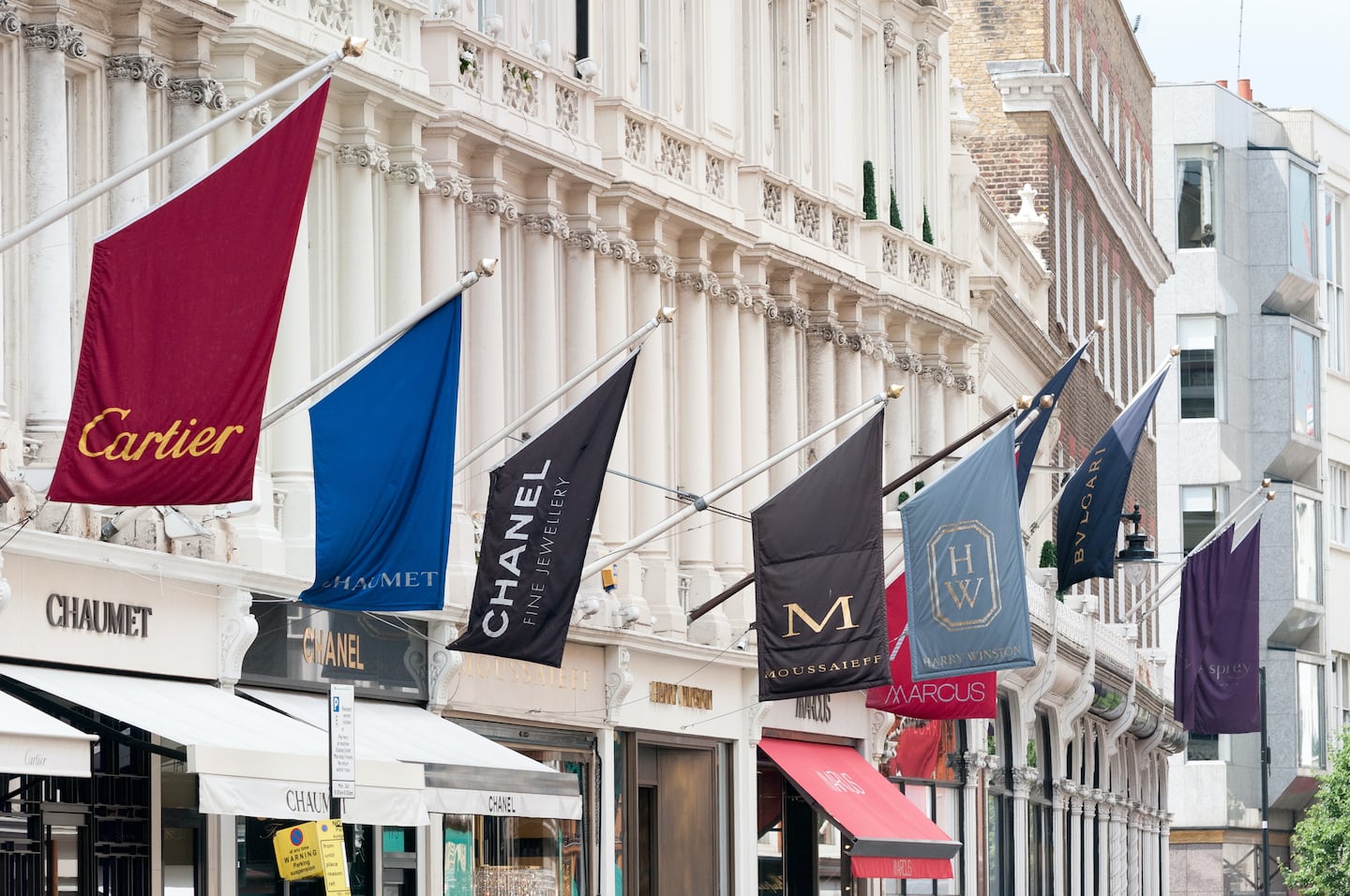
The personal luxury goods market is set to surge to €353 billion ($368.2 billion) this year, rising 22 percent at current exchange rates, according to a joint report from consultancy Bain & Co. and Italian trade group Fondazione Altagamma. The consultancy had previously estimated sales would grow between 5 and 15 percent year-on-year.
Sales are expected to grow at a fraction of that rate in 2023, however, with growth slowing to between 3 and 8 percent depending on how resilient consumers in Europe and the US prove in the face of rising macroeconomic headwinds, as well as the speed of recovery in mainland China.
Following a stellar pandemic rebound, concern has mounted regarding how long luxury’s winning streak can last in the face of slowing GDP growth, rapid inflation and a global energy crisis. Consumer confidence has plummeted to its lowest level in decades, according to recent OEDC data.
In China, luxury sales are not expected to bounce back to 2021 levels until mid-2023, Bain said. Intermittent strict lockdowns resulting from president Xi Jinping’s zero-Covid policy continue to dampen luxury sales, and while the government announced a slight easing of some Covid restrictions last week, the short-term outlook remains bumpy.
ADVERTISEMENT
Still, this year the industry has been buoyed by a “YOLO” (You Only Live Once) attitude among consumers as the world emerges from the pandemic. Consumers also increasingly view luxury goods as an asset class with resale opportunities, Bain said.
“Despite all the macroeconomic KPIs that we analyse [being] down — at the lowest level ever — [the] luxury market is being very resilient and responding positively,” said Federica Levato, partner at Bain & Co.
Brands’ efforts to court top-spending clients with unique experiences and exclusive products have paid off, Levato said. This year, about 2 percent of luxury customers will drive 40 percent of sales.
Demand in emerging luxury markets like South Korea and India has boomed in addition to continued growth in the US and Europe. While US growth slowed in the second half of the year, that’s partly a result of Americans shifting spending to Europe to take advantage of the strong dollar, Levato said.
More than 95 percent of luxury companies saw growth this year, in contrast with recent years marked by strong polarisation, during which only the strongest brands managed to grow.
“There has been a [luxury] renaissance,” Levato said. “Even with the big brands… gaining share, we don’t believe that this is cutting out other players.”
By 2030, the personal luxury goods market is expected to be worth between €550 and €570 million, roughly a two and a half fold increase in value over the decade, Bain forecasts.
An impending economic downturn is top of mind for the sector right now. BoF breaks down the key implications for the industry.
The long-term fundamentals of the all-important China market remain strong but short-term headwinds mean luxury brands could face a challenging year ahead.
Top-tier luxury brands have come roaring out of the pandemic, but the return of experiences, the rising risk of a global downturn and growing ubiquity of widely distributed labels could spell trouble ahead.
Strong growth at Miu Miu helped lift results, but the Italian luxury group said that integrating Versace will weigh on margins in the near term as it begins the turnaround of the struggling brand
After Swatch Group launched an attack on Morgan Stanley’s influential annual watch report, Swatch-owned Tissot cracks open the door for a glimpse at some numbers and Robin Swithinbank says it’s time a secretive industry came clean on financials.
Half a year after Giorgio Armani’s death, it appears to be business as usual at the sprawling fashion empire while potential investors continue to circle with no firm bid in sight.
Kering, LVMH and OTB all have significant skin in the game this Milan Fashion Week with new designer runway debuts at storied Italian brands.
Christine Hunsicker admitted she falsified financial statements to promote CaaStle Inc. as a valuable, growing business when in reality it was struggling.
The American cosmetic giant’s buyout of Ayurvedic beauty line Forest Essentials came as a surprise. By picking an under-the-radar brand it knows well, the company can show that it’s still in the M&A game without needing to outbid rivals.
The underwear company is anticipating net sales of at least $6.85 billion in the current fiscal year, exceeding analyst estimates and marking the highest revenue since its split from L Brands Inc in 2021.
The Japanese brand is accelerating its expansion in India to capture a greater share of the rapidly growing apparel market and affluent consumer base.


