
Agenda-setting intelligence, analysis and advice for the global fashion community.
Agenda-setting intelligence, analysis and advice for the global fashion community.

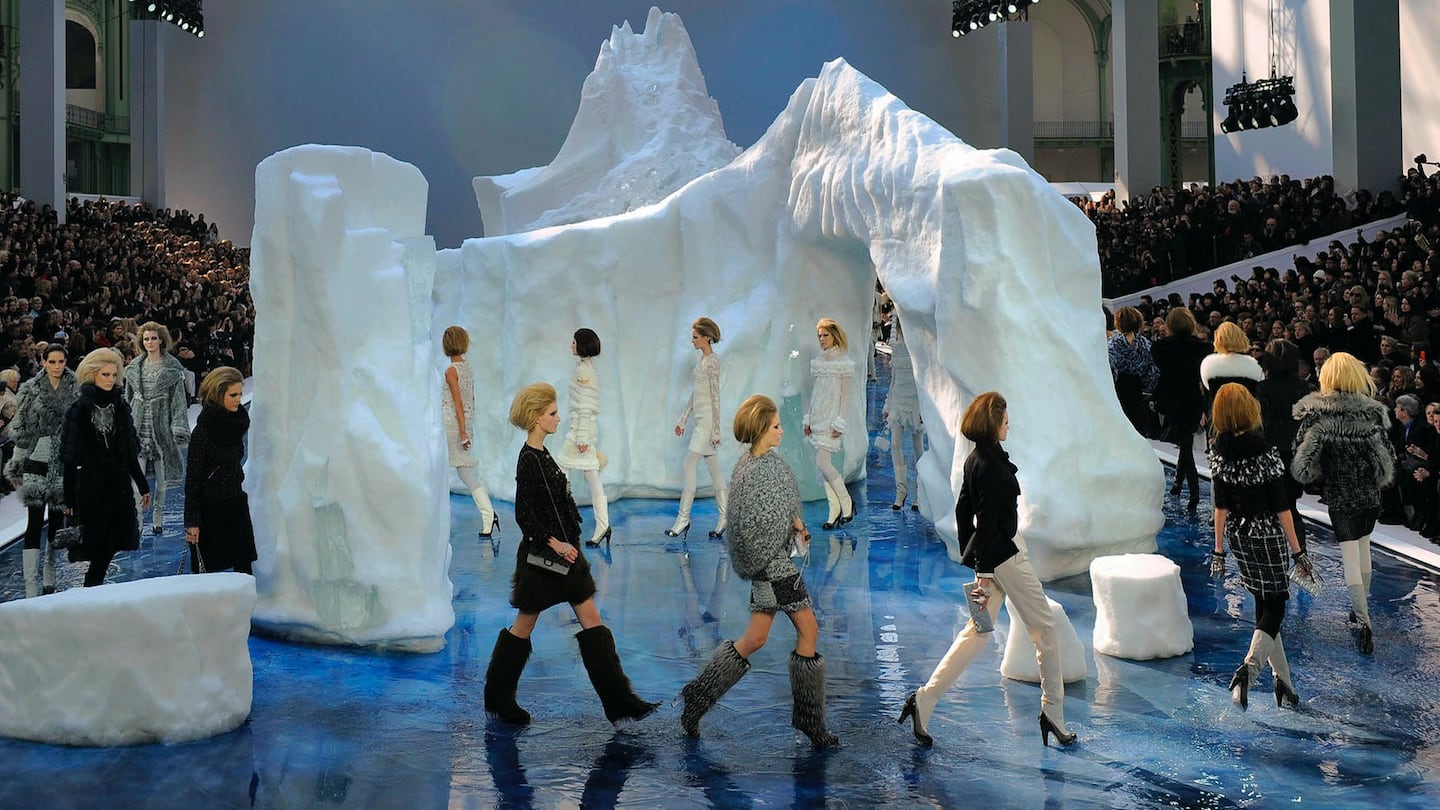
Four forces linked to growing consumer and investor concerns for the environment are set to reshape the luxury market. What’s more, these concerns are likely to accelerate over time, as climate and population trends put greater pressure on our planet.
Hard luxury at an advantage
Environmentally aware consumers will increasingly ask themselves which products are most eco-friendly and shop accordingly. But this is not an easy question to answer. Eco-friendly on what terms? Water consumption? CO2 emissions? Waste generation? Pollution? If mining was more environmentally friendly, hard luxury would fare best.
Consider that watches and jewellery are worn thousands of times over many years before they are replaced, while most fashion is worn tens of times at most. What’s more, the environmental footprint of maintaining hard luxury products is negligible. Compare this to the washing and dry cleaning of garments, which, over their life cycle, creates a negative environmental impact as great as manufacturing them in the first place.
ADVERTISEMENT
Even if we account for pollution — and CO2 emissions from mining are between 2 and 10 times higher than those from the production of fashion and accessories — using recycled precious metals could be a very smart move for hard luxury brands aiming to reduce their impact. Pandora, for example, sources 71 percent of its silver and gold from recycled sources, with the goal of hitting 100 percent by 2025.
Alternative raw materials
Consumer concerns about animal wellbeing and links between animal products and the environment are continuing to rise. Former mainstays of the luxury industry — such as animal fur — have been banned by virtually all major brands. We expect the use of precious exotic skins will likely meet a similar end, as the recent uproar on crocodile farming suggests. In December 2018, Chanel announced that it will no longer use exotic skins or animal fur in its collections. And where Chanel goes, others tend to follow.
Leather may even be in question: synthetic hides are today the choice of a small minority, primarily because leather is largely seen as a byproduct of the meat packing industry. But as eating habits continue to veer away from beef, cowhide alternatives will surely grow in importance. Luxury goods companies must evolve their use of raw materials, especially when specific raw materials are at the core of their brand DNA. Prada's move to re-nylon is a best-in-class example of proactive management on this front.
Resale to challenge brand perception
The secondary market is on the verge of significant development, as it opens luxury and fashion products to a broader audience. Though environmental concerns may be a catalysing factor here, the primary drivers for growing interest in "second life" products are actually lower prices on iconic items (for consumers) and higher traffic generation (for retailers). Resale titans The RealReal, Vestiaire Collective and Chrono 24 are at the front of the "second life" revolution, followed by a long list of alternative players.
Luxury brands are slowly embracing this trend, with ad hoc partnerships and initiatives in a similar vein to incumbent physical and digital retailers, like Selfridges and Farfetch. Just yesterday, Gucci launched an online shop with The RealReal.
Second hand demand tends to be focused on mega-brands, even more so than demand in the first-hand market. Ad-hoc research points to Louis Vuitton, Hermès, Chanel and Gucci securing the lion's share of second hand demand for handbags, while Rolex dominates watches. This threatens to increase product visibility, online and in the streets, meaning luxury mega-brands, which ultimately trade on perceived exclusivity, must further intensify their efforts against brand trivialisation.
ADVERTISEMENT
More rigorous ESG reporting
ESG (environmental, social and corporate governance) reporting is in its infancy, much like financial reporting prior to the introduction of stock market regulators. In the luxury industry, companies often highlight metrics that make them look good, while providing limited disclosure on other elements. But this may change fast on the back of consumer and investor demands.
The bulk of the negative environmental impact created by the fashion and luxury industry happens across their extended supply chains. Looking at company-specific performance and comparing companies with different levels of vertical integration yields meaningless results.
Even looking at elements that have been at the centre of attention recently — like CO2 — we find that Richemont is one of the few companies reporting "scope 3" emissions, meaning it is disclosing not only direct but also indirect emissions from third-party suppliers. Kering is another notable exception providing broader disclosures. We expect this will become standard practice in the future.
Luca Solca is head of luxury goods research at Bernstein.
Related Articles:
[ Will Fashion Ever Be Good for the World? Its Future May Depend on It.Opens in new window ]
[ With Lab-Grown Leather, Modern Meadow Is Engineering a Fashion RevolutionOpens in new window ]
Strong growth at Miu Miu helped lift results, but the Italian luxury group said that integrating Versace will weigh on margins in the near term as it begins the turnaround of the struggling brand
After Swatch Group launched an attack on Morgan Stanley’s influential annual watch report, Swatch-owned Tissot cracks open the door for a glimpse at some numbers and Robin Swithinbank says it’s time a secretive industry came clean on financials.
Half a year after Giorgio Armani’s death, it appears to be business as usual at the sprawling fashion empire while potential investors continue to circle with no firm bid in sight.
Kering, LVMH and OTB all have significant skin in the game this Milan Fashion Week with new designer runway debuts at storied Italian brands.
Christine Hunsicker admitted she falsified financial statements to promote CaaStle Inc. as a valuable, growing business when in reality it was struggling.
The American cosmetic giant’s buyout of Ayurvedic beauty line Forest Essentials came as a surprise. By picking an under-the-radar brand it knows well, the company can show that it’s still in the M&A game without needing to outbid rivals.
The underwear company is anticipating net sales of at least $6.85 billion in the current fiscal year, exceeding analyst estimates and marking the highest revenue since its split from L Brands Inc in 2021.
The Japanese brand is accelerating its expansion in India to capture a greater share of the rapidly growing apparel market and affluent consumer base.


